
Best Sports Earbuds 2026: Top Open-Ear and In-Ear Picks
The future of sports audio is shifting toward a divide between hyper-aware open-ear designs and biometric-integrated intra-auricular models, according to recent field tests conducted by 01net. While open-ear devices prioritize situational awareness for outdoor safety, in-ear monitors are increasingly functioning as comprehensive health trackers, effectively merging high-fidelity sound with real-time biometric data collection.
Why Is the Market Moving Toward Open-Ear Technology?
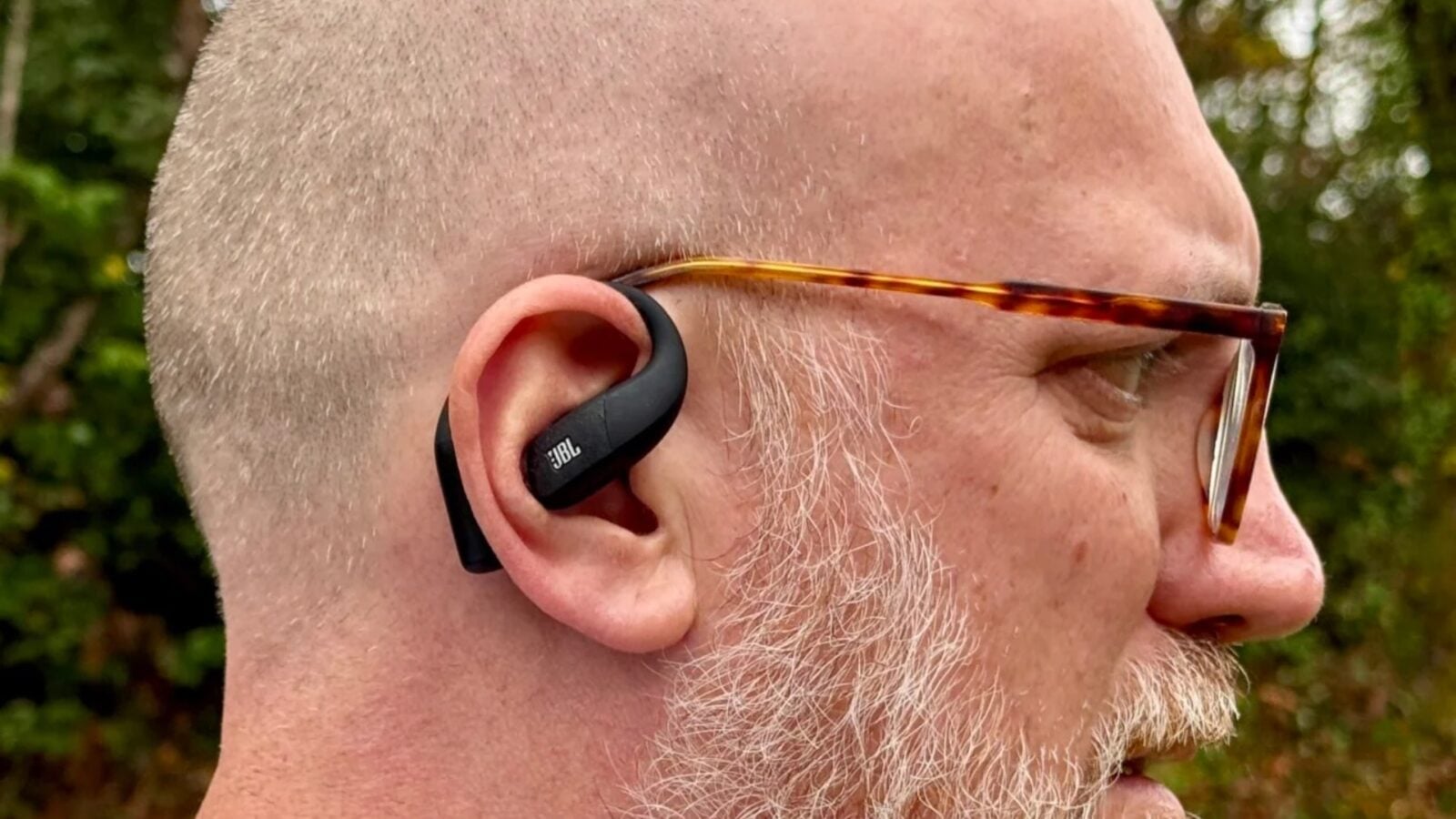
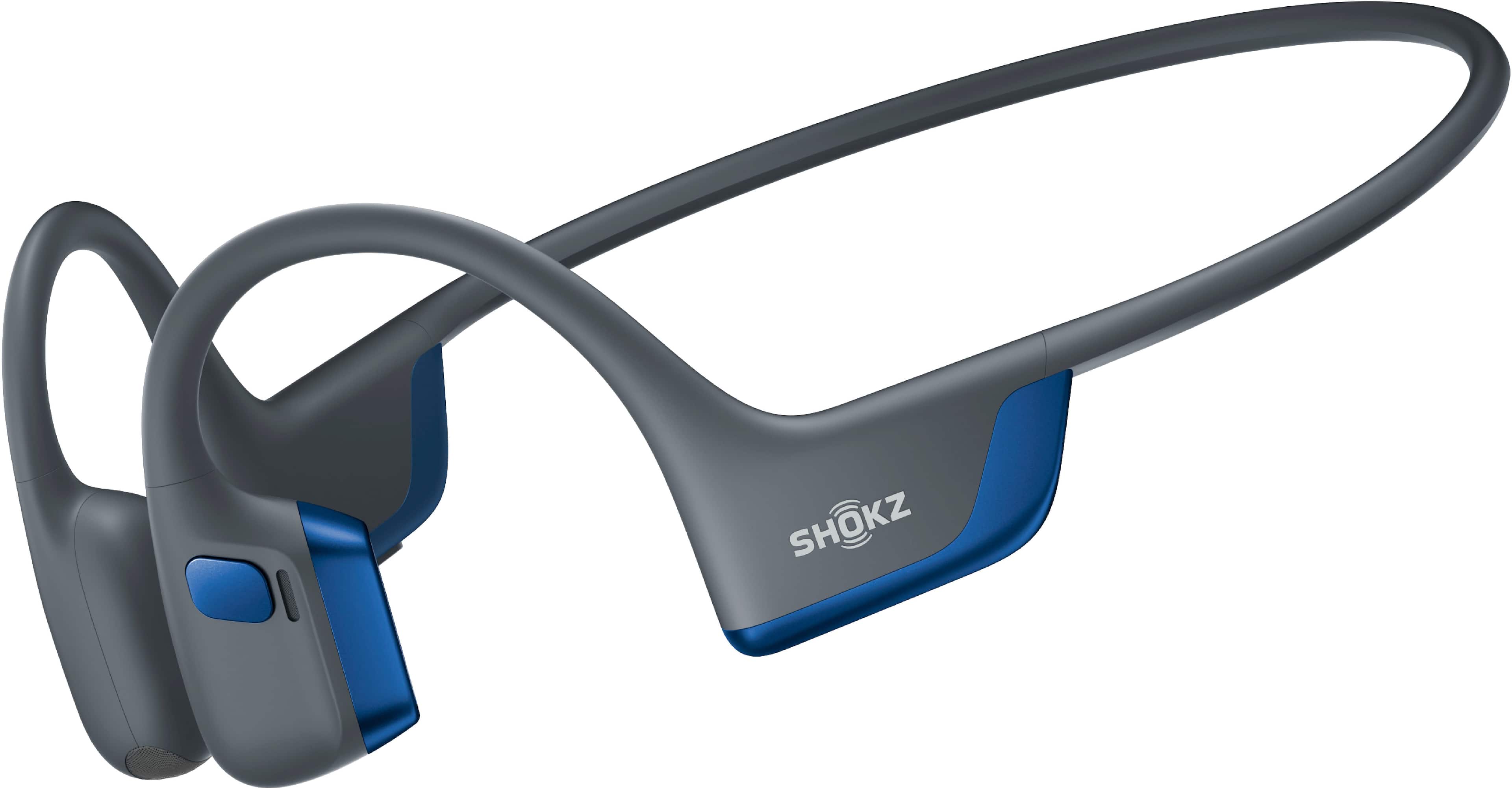
Manufacturers are betting heavily on open-ear designs because they solve a fundamental safety concern for runners and cyclists: the need to hear ambient traffic. According to 01net, the Shokz OpenRun Pro 2 addresses the historical lack of bass in bone-conduction hardware by using a “DualPitch” system that separates low frequencies into dedicated speakers. This design shift allows for a more robust sound profile without blocking the ear canal. However, these devices face a physical limitation regarding sound leakage and noise isolation, which remains inferior to traditional in-ear designs, as noted in 01net’s analysis of the Shokz OpenFit Pro.
How Do Biometric Sensors Change Sports Audio?
The next generation of earbuds is moving beyond music playback to become dedicated fitness trackers. The Beats Powerbeats Pro 2 features an integrated heart-rate sensor, a development 01net highlights as a potential replacement for chest straps or wrist-based trackers. This integration allows for real-time performance monitoring directly through the audio interface. The trade-off, as identified by 01net, is software fragmentation; currently, proprietary heart-rate data often lacks cross-platform compatibility with apps like Strava, limiting the utility of these sensors for some users.
What Are the Trade-offs Between Open and In-Ear Models?
Choosing between formats requires balancing audio fidelity against situational utility. Comparative data from 01net shows that while in-ear models like the Huawei FreeBuds Pro 5 offer superior noise cancellation and richness, they isolate the user from their environment. Conversely, open-ear alternatives like the Sony LinkBuds Open provide a spatial awareness that is physically impossible with a sealed ear canal.
| Feature | Open-Ear (e.g., Shokz) | In-Ear (e.g., AirPods Pro 3) |
|---|---|---|
| Safety | High (Ambient awareness) | Low (Requires transparency mode) |
| Audio Depth | Moderate | High (Lossless potential) |
| Biometrics | Rare | Increasingly common |
What Happens Next for Audio Codecs and Connectivity?
Hardware manufacturers are increasingly walling off their ecosystems to drive sales. As reported by 01net, Samsung restricts high-resolution codecs to its own Galaxy devices, while Huawei requires specific smartphone models to unlock the full potential of the L2HC 4.0 codec. This trend suggests that the “best” pair of earbuds is no longer determined by audio quality alone, but by the smartphone brand you already own. Consumers should expect this trend of ecosystem-locked performance to continue, making interoperability a primary hurdle for future hardware iterations.
FAQ
- Which earbud format is safer for outdoor running? Open-ear (open-ear) models are safer because they do not obstruct the ear canal, allowing you to hear traffic and ambient surroundings.
- Do heart-rate sensors in earbuds replace a smartwatch? They can serve as a primary tracker, but as 01net notes, software compatibility with third-party fitness platforms like Strava remains a significant barrier.
- Is noise cancellation necessary for sports? It is recommended for indoor gym environments to block out background music or machinery, but it is often a liability for outdoor activities.
- Why does my sound quality drop when I move? If you use open-ear models, sound leakage and ambient noise interference are common, which may be perceived as a drop in audio quality compared to sealed in-ear monitors.
Are you leaning toward the safety of open-ear designs or the immersion of in-ear monitors for your next workout? Share your thoughts in the comments below or explore our latest comprehensive audio gear reviews to find your perfect match.