
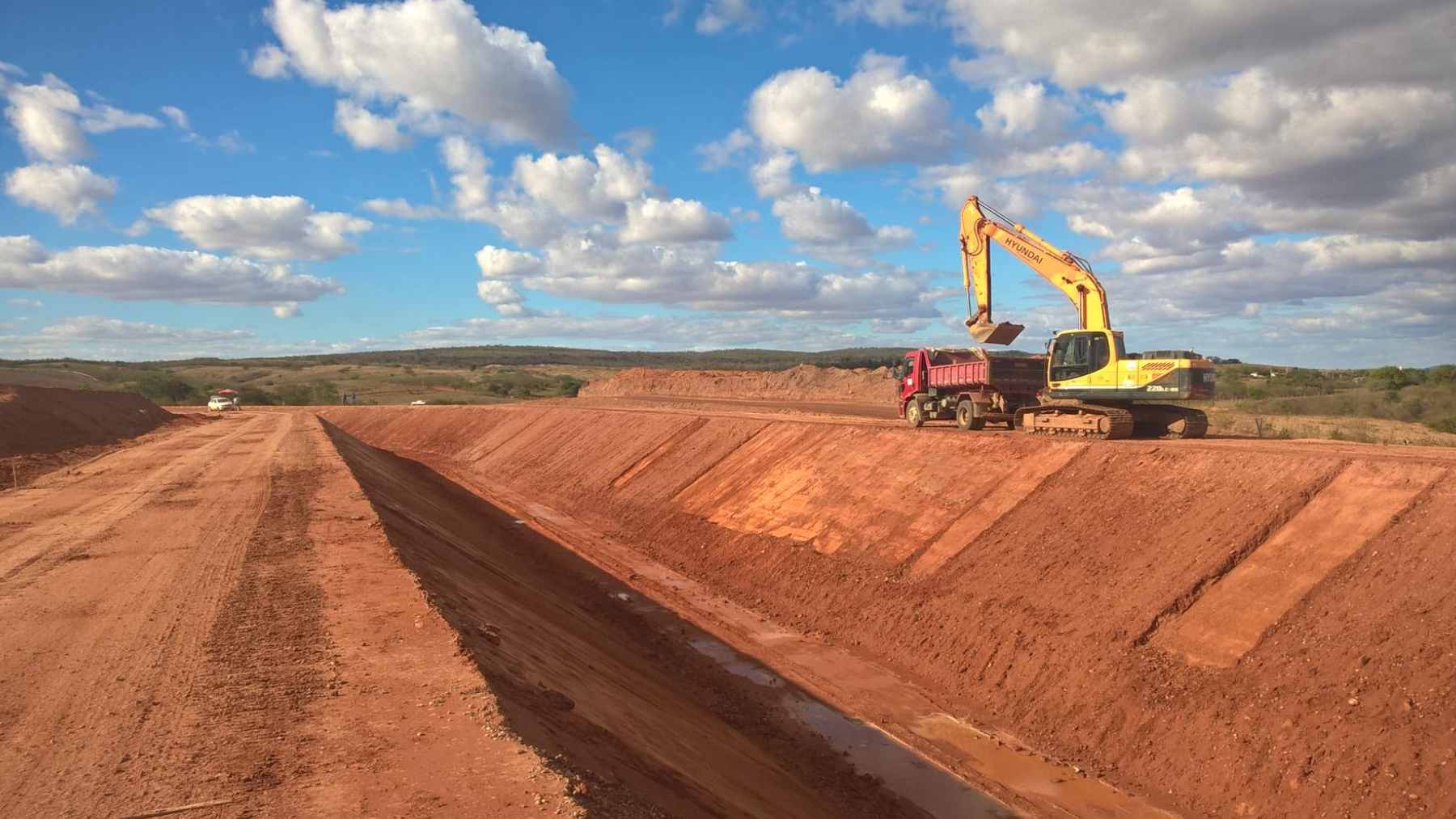
Brazil’s 90-Mile Artificial Water Corridor to Combat Drought in Ceará
The global fight against water scarcity is moving from reactive emergency measures to massive, permanent infrastructure shifts. As regions like Brazil’s semi-arid sertão push toward completion of ambitious projects like the Ceará Water Belt, we are witnessing a new era of “hydro-engineering” that will define the next century of human settlement.
The Shift Toward Gravity-Fed Resilience
For decades, water management relied heavily on energy-intensive pumping stations. However, the future of sustainable water infrastructure lies in gravity-fed systems. By utilizing topographical mapping and high-precision engineering, modern projects like the Ceará Water Belt reduce long-term operational costs and minimize the carbon footprint associated with constant water movement.
This trend is gaining traction worldwide. From World Bank-backed initiatives in sub-Saharan Africa to irrigation corridors in the Middle East, the goal is clear: build systems that require minimal energy to function once the initial concrete is poured. The focus is shifting from “how much water can we pump?” to “how efficiently can we move it using the land itself?”
Integrating Diverse Water Sources
Future water security will not rely on a single solution. Instead, it will be a tapestry of interconnected sources. The Ceará model—which links the São Francisco River to local state basins—is a blueprint for what experts call “networked water resilience.”
By connecting regional basins, governments can redistribute water during local droughts, ensuring that one failed rainy season doesn’t lead to a total collapse of the local economy. This integration also allows for the future inclusion of non-traditional sources, such as large-scale desalination plants or treated wastewater, into the main supply line.
Prioritizing Consumption over Industry
A critical trend in modern water governance is the strict hierarchy of use. In most successful large-scale projects, human consumption is legally prioritized above industrial and agricultural needs. This “social-first” approach is essential for public buy-in, especially as climate-driven migration increases the pressure on urban centers.
The Economic Engine of Infrastructure
Massive water projects serve a dual purpose: they secure life-sustaining resources and act as powerful regional economic catalysts. The investment of hundreds of millions of dollars into projects like the Water Belt generates thousands of direct jobs and stimulates local supply chains, from concrete manufacturing to heavy machinery logistics.
Pro Tip: When evaluating the ROI of water infrastructure, look beyond the water volume. Consider the “multiplier effect”—the secondary businesses that spring up in regions once water security is guaranteed, effectively turning arid land into productive agricultural or industrial zones.
The Challenges of Long-Term Maintenance
Constructing a 90-mile corridor is only the beginning. The real test is the “operational phase.” As systems age, they face risks like sedimentation, structural degradation, and the need for fair allocation policies. Future trends indicate that governments will increasingly use AI-driven sensors to monitor water flow in real-time, allowing for predictive maintenance before a crack or blockage becomes a crisis.
Frequently Asked Questions (FAQ)
Why is the Ceará Water Belt considered an “artificial river”?
It is called an artificial river because it mimics the natural flow of water across a landscape using gravity, channels, and tunnels to transport water from a major source to distant, drought-prone regions that otherwise wouldn’t have access.
How does this project impact the local population?
It provides a reliable water source for over 500,000 people, prioritizing human consumption. This reduces the risk of water rationing and ensures that households have a consistent supply regardless of local rainfall variability.
Is this model sustainable for other drought-prone regions?
Yes, the “networked water” approach is being adopted globally. By connecting local reservoirs to major regional rivers, areas can build a buffer against climate change and extreme weather events.
What is the biggest risk for these large-scale water projects?
The primary risk is long-term maintenance and fair governance. Without consistent monitoring and equitable water allocation policies, even the most advanced engineering projects can fail to serve their intended communities effectively.
What are your thoughts on massive water diversion projects? Do you believe they are the best way to handle climate-induced drought, or should we be focusing more on local desalination and atmospheric water harvesting? Share your perspective in the comments below, or subscribe to our newsletter for deep dives into global infrastructure trends.