
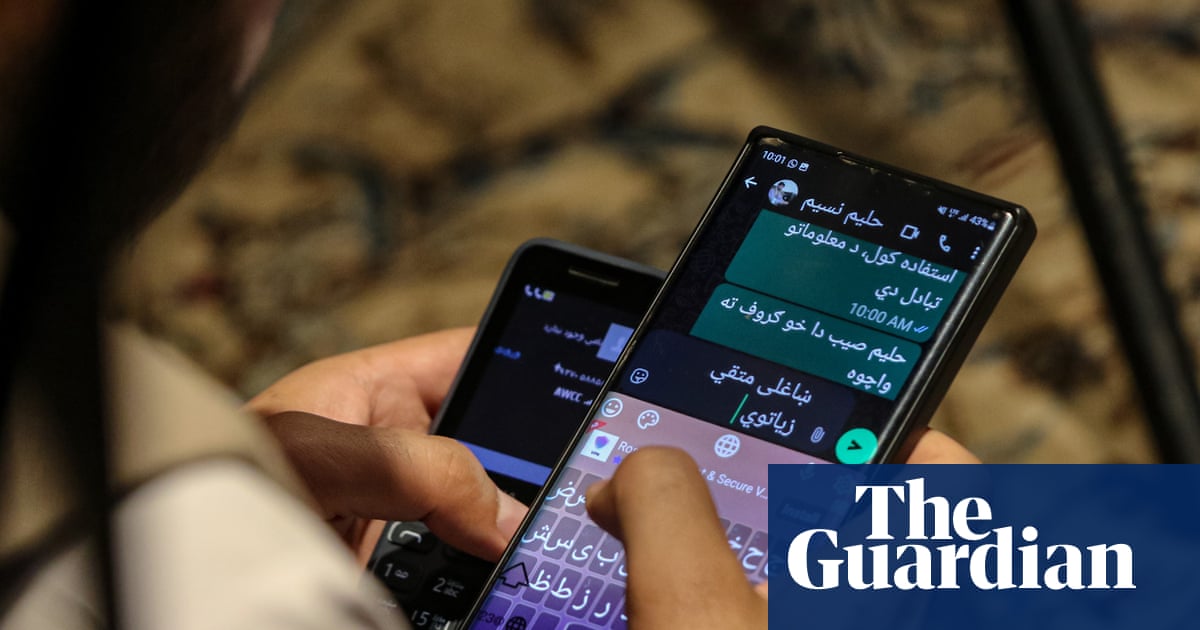
Taliban order ban on smartphones as officials shown destroying devices | Taliban
The Taliban have banned smartphones for all government officials, including high-ranking staff and mujahideen, according to a directive reviewed by The Guardian. Violators face the destruction of their devices and sharia punishment, with exemptions granted only via a written decree from supreme leader Hibatullah Akhundzada.
Why did the Taliban ban smartphones for government officials?
The Taliban aim to stop internal leaks and boost workplace productivity. According to an analyst cited by The Guardian, officials have used smartphones to photograph documents and record meetings, leaking information before the supreme leader could officially sign off on decisions.
Productivity is another driver. The same analyst noted that the Taliban believe smartphones erode work ethic, claiming officials spend too much time online. In Herat, one government employee reported that his phone was confiscated and smashed after he ignored a directive not to bring the device to the office, resulting in a loss of 8,000 afghanis (approximately £95).
Security concerns also spiked following street demonstrations in Herat. After the Taliban arrested women for “improper hijab,” protests broke out and forces reportedly killed at least two people. The analyst told The Guardian that viral videos of these events raised alarms within the emirate, prompting a push to contain the flow of information.
The smartphone ban follows a two-day national internet blackout in September. Authorities justified the cutoff as a move to “prevent immorality” by blocking pornography, though it caused widespread chaos in the banking and aviation sectors.
How is the smartphone ban being enforced?
Implementation is currently “ad-hoc,” according to sources inside Afghanistan. While the official directive targets “high rank, low rank, general mujahideen, or service staff,” the restrictions vary by province. In some cities, the ban has extended beyond government workers to include women, students, medical workers, and schoolteachers.
Enforcement is often violent. A video published online shows a Taliban official reading the banning order from a phone while another person smashes devices. The directive explicitly states that any phone found in use will be “smashed” alongside the imposition of legal and sharia punishments.
What happens next for internet access in Afghanistan?
Analysts suggest these targeted bans could be a test for a wider, population-level restriction. The current strategy differs from the September internet blackout, which the analyst described as a hasty move that “froze commerce” and panicked the private sector and the supreme leader’s own office.
The shift from a blanket blackout to targeted device destruction suggests a more calculated approach to surveillance and control. By removing the hardware used for recording and transmitting data, the Taliban can suppress dissent without triggering the total economic collapse seen during the September outage.
Comparison: Blanket Blackouts vs. Device Bans
| Method | Justification | Primary Consequence |
|---|---|---|
| Internet Blackout (Sept) | Preventing “immorality” | Banking and aviation freeze |
| Smartphone Ban | Leaks and productivity | Physical destruction of property |
Frequently Asked Questions
Who is affected by the Taliban smartphone ban?
The official order targets all government staff and mujahideen, though reports indicate it has been extended to civilians, teachers, and women in certain provinces.
What is the penalty for using a smartphone?
According to the directive, the device will be smashed, and the user will face legal and sharia punishments.
Can anyone get an exemption?
Yes, but only if they receive a written decree from the supreme leader, Hibatullah Akhundzada.
Want to stay updated on global digital rights and censorship? Subscribe to our newsletter or leave a comment below to share your thoughts on how these restrictions impact international diplomacy.