

Broadway’s Musical Crisis, Scott Rudin Problem
The 79th Tony Awards saw “Death of a Salesman” lead the night with six prizes, while the ceremony marked several historic milestones for the theater industry. Notable firsts included Bess Wohl becoming the first female playwright in 38 years to win best play and Qween Jean becoming the first openly transgender person to win a Tony award.
Broadway shared its honors across multiple productions this year. While “Death of a Salesman” took the most trophies, “Schmigadoon!,” “The Lost Boys,” and “Ragtime” each secured four statues.
The evening recognized a mix of established talent and fresh faces. Veterans like John Lithgow (“Giant”), Shoshana Bean (“The Lost Boys”), and Joshua Henry (“Ragtime”) won alongside newcomers such as Alden Ehrenreich (“Becky Shaw”).
Why was the success of “Death of a Salesman” controversial?
“Death of a Salesman,” a radical revival set in a garage, won best revival of a play. However, the production marked the return of superstar producer Scott Rudin after a five-year exile following reports of abusive behavior toward staff.
Despite Rudin’s creative influence, he was conspicuously absent from the winners’ speeches. Neither director Joe Mantello nor actress Laurie Metcalf mentioned him during their acceptance speeches.
Star Nathan Lane also omitted Rudin from his thank-yous when the show won best revival. This suggests that while Broadway may be willing to work with Rudin, the industry is not yet ready to publicly applaud him.
What is happening to the cost of Broadway musicals?
Cinco Paul, who won two awards for “Schmigadoon!,” warned that only six new musicals debuted last season. He stated that this number “is not enough” for the health of Broadway.
The primary obstacle is financial risk. Since COVID, only five musicals have recouped their initial investments as production costs continue to climb.
“Schmigadoon!” cost approximately $15 million to stage. In contrast, its competitor “The Lost Boys” required a capitalization of $25 million.
How did the 79th Tonys celebrate queer identity and international talent?
The ceremony featured a strong presence of LGBTQ+ culture, including voguing dancers in “Cats: The Jellicle Ball” and Luke Evans performing in a thong for “The Rocky Horror Show.”
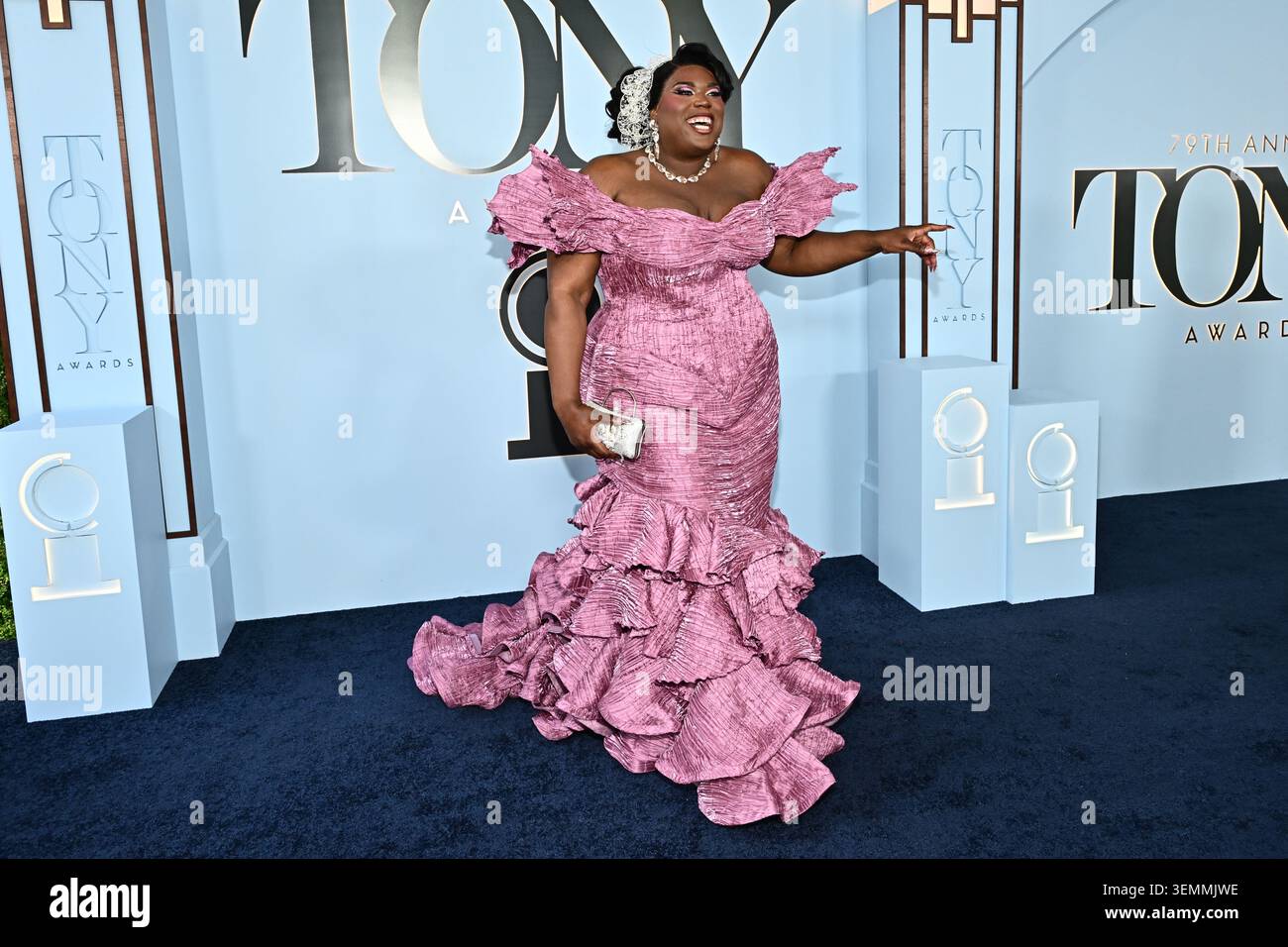
Qween Jean made history as the first openly transgender Tony winner for best costume design of a musical. She emphasized the need for queer and trans people to “take up space” and “shift the paradigm.”
The night also embraced British talent through Lesley Manville. Making her Broadway debut at 69, Manville won best leading actress for her role as Jocasta in “Oedipus.”
Manville joins a prestigious list of British winners including Maggie Smith, Judi Dench, and Vanessa Redgrave. Because Redgrave returned to Broadway twice after her win, Manville may follow a similar path.
What role did Pink play in the ceremony?
Pop star Pink hosted the event and delivered high-energy performances. She opened the show with a rendition of “Lady Marmalade” and later performed “All That Jazz” as a tribute to “Chicago.”
Though she has never appeared on a Broadway stage, Pink’s performance left some guests speculating that a role as Velma Kelly could be in her future.
Apple also achieved a significant corporate milestone during the night. By producing “Schmigadoon!,” the streaming service became the fastest to complete an EGOT.
Frequently Asked Questions
Which show won the most awards at the 79th Tony Awards?
“Death of a Salesman” was the biggest winner of the night, taking home six prizes, including best revival of a play.
Who was the first openly transgender person to win a Tony?
Qween Jean became the first openly transgender person to win a Tony, receiving the award for best costume design of a musical for “Cats: The Jellicle Ball.”
Why are new musicals becoming less common on Broadway?
According to Cinco Paul, the decline is driven by money; since COVID, only five musicals have recouped their investments while staging costs have increased.
Do you think the financial risks of Broadway are stifling the creativity of new musicals?