

ChatGPT Study Mode: A New AI Digital Tutor for Students
As report cards loom and the pressure of the school year reaches its peak, families are finding themselves in a familiar bind: how to support a child’s learning without resorting to expensive, often unavailable private tutors. The latest evolution in educational technology isn’t a new textbook or a flashcard app—it’s the rise of the “Socratic AI.”
The Shift from “Answer Machine” to Digital Tutor
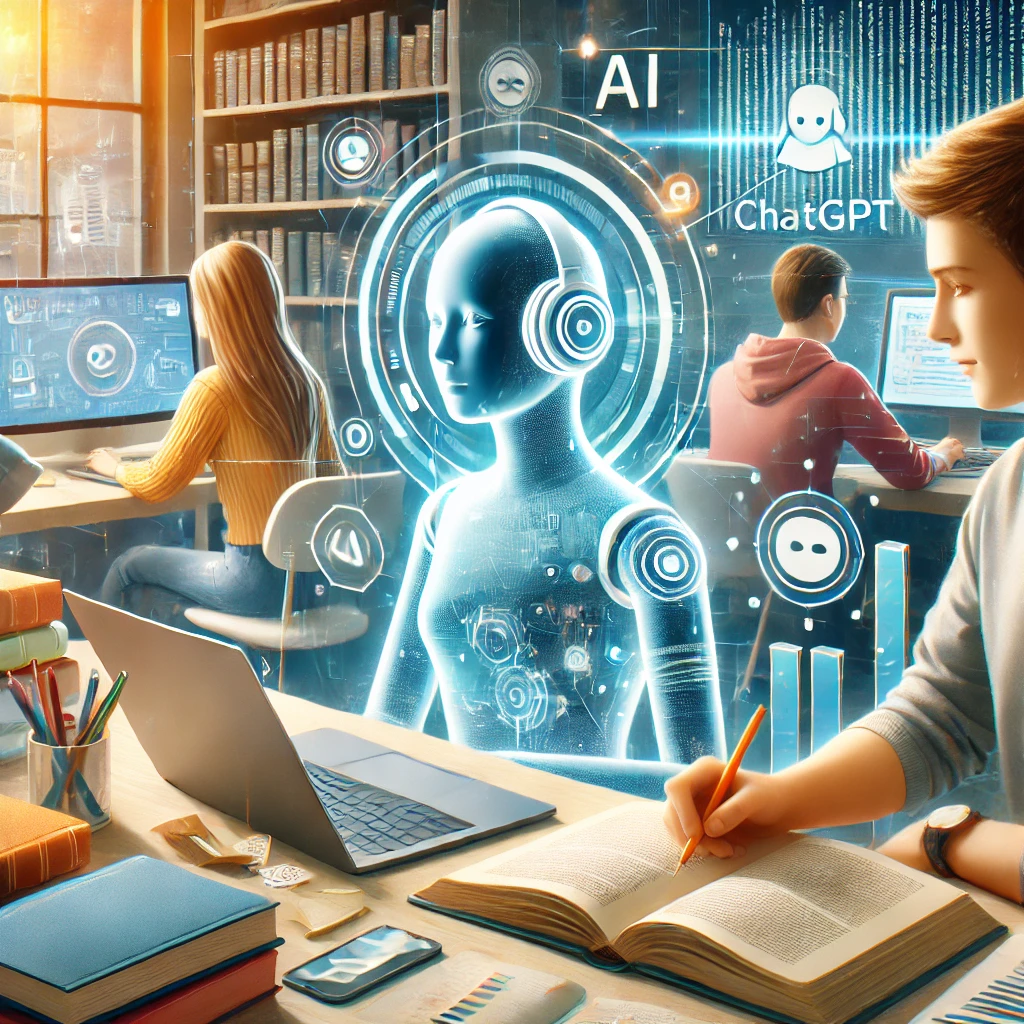
For years, the fear surrounding AI in the classroom was that students would use it to generate essays or bypass homework. However, a significant shift is underway. New “Study Modes” in platforms like ChatGPT are designed to act as a mentor rather than a shortcut. Instead of providing the final answer, these tools now use pedagogical techniques to guide students through the reasoning process.
By asking follow-up questions and adapting to a student’s specific knowledge gaps, AI is mimicking the behavior of a high-quality human tutor. What we have is a game-changer for parents who may feel out of their depth when their child asks for help with advanced algebra or complex history concepts.
Why “Retrieval Practice” is the Secret Sauce
Educational psychologists have long touted Retrieval Practice—the act of actively recalling information—as the gold standard for long-term retention. Traditional methods like re-reading notes or highlighting textbooks are often passive and ineffective. AI-driven study modes force students to engage in active recall, which solidifies neural pathways and improves test scores significantly.
The Future of Personalized Education
Looking ahead, we are moving toward a hyper-personalized learning environment. Future AI tools will likely integrate with school curricula to track a student’s progress across an entire academic year. Imagine an AI that knows exactly which math concepts you struggled with in October and automatically incorporates them into your practice sessions in May.
Did you know? Studies show that students who use active tutoring methods retain information up to 50% longer than those who rely on passive review methods like re-reading.
Navigating the Risks: Privacy and Best Practices
While the benefits are clear, the digital classroom comes with responsibilities. Parents must prioritize digital literacy. The primary rule is simple: Never input personal identifiable information (PII). There is no need for an AI to know your child’s full name, school address, or date of birth to explain the Pythagorean theorem.
- Set Boundaries: Treat AI as a supplement, not a replacement for classroom instruction.
- Supervision: For younger students, co-piloting the AI experience is the most effective way to ensure safety.
- Verify Information: Remind students that AI can “hallucinate.” Always cross-reference complex facts with a trusted textbook.
Frequently Asked Questions (FAQ)
Can AI really help my child get better grades?
Yes, but only if used as a study aid to understand concepts. If used to copy answers, it hinders learning. The key is using the AI to explain the process behind the solution.
Is it safe for my child to use ChatGPT?
Most platforms have age restrictions (usually 13+ with parental consent). As long as you maintain strict privacy rules regarding personal data and monitor the interaction, it can be a safe and powerful tool.
Does this replace the need for human teachers?
Absolutely not. AI can handle the repetitive practice and basic explanations, but it cannot replace the empathy, mentorship, and social-emotional guidance provided by a classroom teacher.
Are you ready to integrate AI into your family’s study routine? Share your experiences or questions in the comments below, and don’t forget to subscribe to our newsletter for more tips on navigating the future of education.