
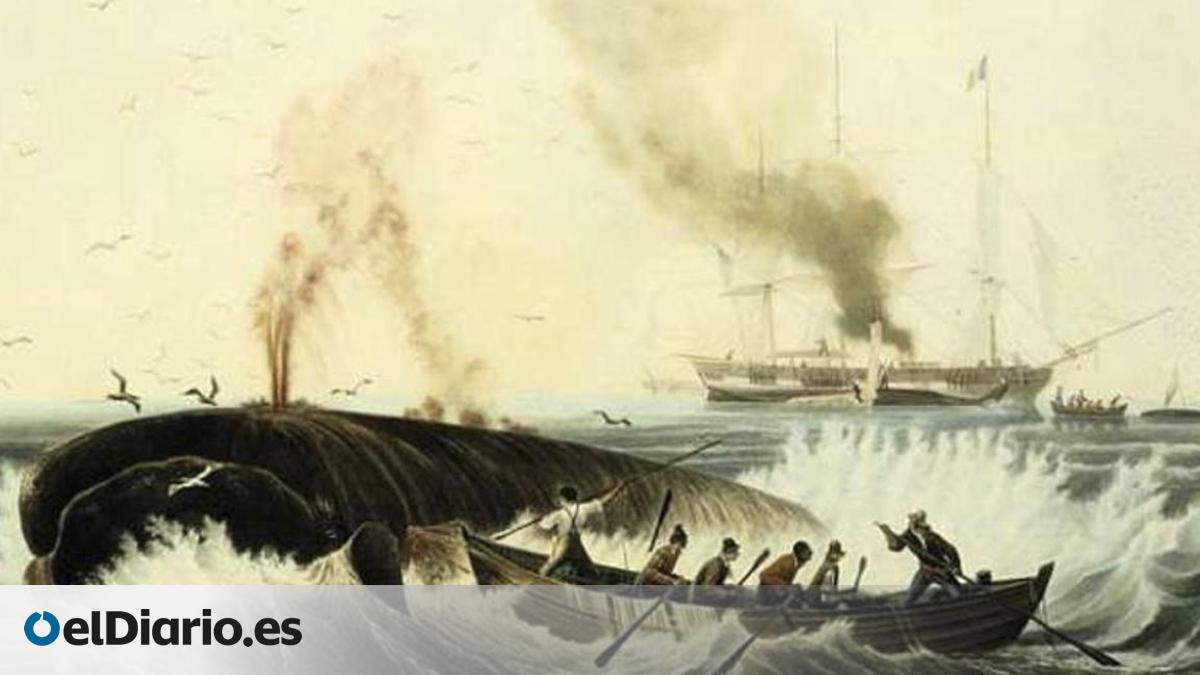
Svalbard Skeletons Reveal the Brutal Physical Toll of Arctic Whale Hunting
The Frozen Toll: What Arctic Archaeology Reveals About the Future of Our Industrial Past
Long before the era of fossil fuels and electricity, the world ran on whale oil. In the freezing waters of the Arctic, a brutal industry thrived, turning the blubber of giants into the fuel that lit European cities and lubricated the wheels of the Industrial Revolution. Today, that history is literally melting away, leaving behind a grim trail of evidence that challenges our understanding of human endurance.
A recent study published in PLOS One has offered a chilling look at the human cost of this era. By examining skeletal remains at Likneset—a site in Svalbard grimly known as “Corpse Point”—researchers have uncovered the physical reality of the 17th-century whaling trade: men, often not yet 30, whose bodies were shattered by the relentless demands of the hunt.
The Anatomy of Exhaustion
The remains tell a story of systemic physical destruction. Analysis of the bones revealed advanced degenerative joint disease in men who were, by modern standards, still in their youth. The damage to shoulders, spines and hips is indicative of the grueling labor required to haul massive carcasses, row through icy swells, and process blubber in sub-zero temperatures.
Almost every individual examined in the study showed signs of scurvy. This Vitamin C deficiency was a silent killer for early Arctic explorers who lacked the dietary knowledge of indigenous populations, leading to muscle wasting, tooth loss, and a compromised immune system.
When History Melts: The Permafrost Crisis
The tragedy at Corpse Point is not just a matter of historical record; it is a contemporary environmental crisis. The Arctic is warming at a rate significantly faster than the global average. As the permafrost thaws, the “natural freezer” that has preserved these graves for centuries is failing.
Archaeologists are now racing against time. As the ground becomes unstable, coastal erosion is literally washing away the final resting places of these whalers. The loss of these sites represents a permanent “erasure” of human history. When these graves disappear, we lose the only physical evidence of how these men lived, suffered, and died in the pursuit of early industrial expansion.
Future Trends in Arctic Heritage Preservation
As we look to the future, the preservation of Arctic history will likely shift from passive observation to aggressive intervention. Expect to see the following trends:
- Digital Preservation: High-resolution 3D scanning and photogrammetry are becoming the standard for documenting sites before they succumb to erosion.
- Predictive Modeling: Scientists are using satellite data to identify “at-risk” archaeological sites, prioritizing excavation based on the speed of permafrost thaw.
- Climate-Archaeology Integration: Future research will increasingly link historical human impacts with current climate data, using the past to better understand how fragile ecosystems react to rapid temperature shifts.
If you are interested in the intersection of climate change and heritage, follow the work of the Arctic Council’s Working Group on the Protection of the Arctic Marine Environment (PAME) for the latest data on how melting ice affects both biological and cultural resources.
Frequently Asked Questions
Why were these whalers in such poor physical condition?
The work was exceptionally demanding, involving heavy lifting and repetitive motion in extreme cold. Combined with chronic scurvy and poor nutrition, their bodies aged much faster than their chronological years.

Is the melting permafrost a threat to more than just graves?
Yes. Beyond losing historical data, the thawing permafrost releases trapped greenhouse gases like methane, which further accelerates global warming, creating a dangerous feedback loop.
Can we stop the erosion at sites like Corpse Point?
While we can reinforce some sites, the scale of Arctic warming is so vast that total preservation is impossible. The current focus is on “rescue archaeology”—collecting as much data as possible before the sites are lost to the sea.
Join the Conversation
The story of the Arctic whalers is a reminder that our industrial history is built on the backs of those who endured extreme hardship. As the ice retreats, what other secrets will be revealed? Do you believe it is more important to prioritize the preservation of historical sites or to focus exclusively on modern climate mitigation? Share your thoughts in the comments below.
Stay informed on the latest archaeological discoveries and climate science—subscribe to our newsletter for weekly insights delivered directly to your inbox.