
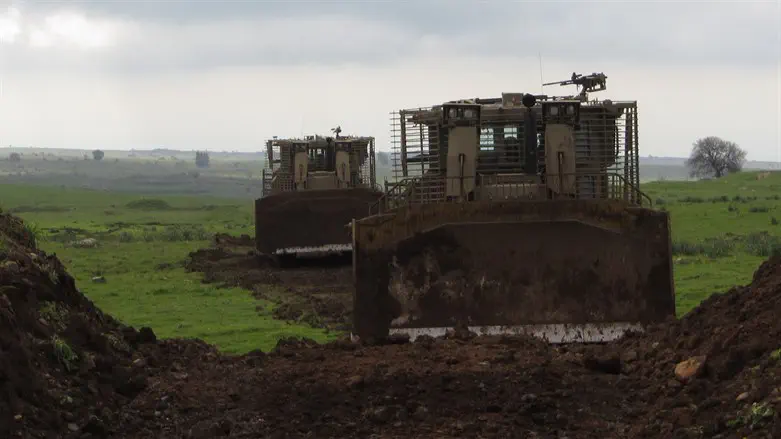
Companies may face legal trouble after IDF used their equipment
Multinational construction firms including Caterpillar and Volvo face potential legal and reputational risks after their machinery was used by the Israeli military for demolitions in southern Lebanon. According to The Guardian, geolocation-verified footage shows equipment from six major brands destroying infrastructure in border communities, raising questions about corporate due diligence in conflict zones.
Why are construction companies facing legal scrutiny in conflict zones?
The scrutiny stems from the potential for corporate complicity in international law violations. According to Human Rights Watch, the scale of destruction in southern Lebanon raises significant legal concerns. Mark Dummett, an official with Amnesty International, stated that companies supplying heavy machinery must conduct due diligence to prevent their products from being used in military operations that violate human rights.
Legal experts argue that providing the tools for destruction isn’t a neutral act. Alreem Kamal, an international lawyer specializing in corporate accountability, told The Guardian that risks associated with such use are “foreseeable.” In her view, this foreseeability creates a responsibility for companies to take preventative measures before their equipment reaches a conflict zone.
How did different manufacturers respond to the Lebanon allegations?
Responses from the companies involved varied from outright denial to claims of limited control. The following breakdown shows how the entities addressed the reports:

- Volvo, Komatsu, and Hitachi: These companies stated that their ability to control how products are used after the initial sale is limited.
- HD Construction Equipment (Hyundai): The company claimed that the machinery carrying the Hyundai logo seen in Lebanon wasn’t sold by them and is unrelated to the company.
- Caterpillar: The manufacturer did not provide a comment.
- Doosan: The report noted that Doosan equipment is no longer in production.
This creates a sharp contrast in corporate defense strategies. While HD Construction Equipment used a factual denial of ownership, Volvo and others relied on a “post-sale” liability shield. However, the Israeli military acknowledged a specific incident in Debel involving a Volvo excavator damaging solar panels and water infrastructure, stating the actions weren’t consistent with its values and are under investigation.
What are the financial and legal risks for equipment suppliers?
Companies continuing to supply equipment used in alleged international law violations face three primary risks: legal, financial, and reputational. According to Alreem Kamal, legal accountability efforts are expanding across multiple jurisdictions. This means a company could face lawsuits in its home country for actions taking place thousands of miles away.
Financial risks often follow legal challenges through divestment campaigns. Institutional investors frequently pull funding from companies linked to human rights abuses to avoid violating their own Environmental, Social, and Governance (ESG) criteria. Reputational damage can lead to consumer boycotts and a loss of brand equity in global markets.
Will corporate accountability trends change how equipment is sold?
The trend points toward stricter oversight. As courts increasingly examine corporate involvement in conflict zones, manufacturers may be forced to implement more rigorous vetting processes for buyers. The traditional defense—that a company isn’t responsible for a machine once it leaves the lot—is weakening in the eyes of international human rights lawyers.
We’re likely to see an increase in “clawback” clauses in sales contracts, allowing manufacturers to terminate support or parts supply if equipment is used for prohibited military purposes. This shift would transform construction equipment from a simple commodity into a regulated asset with lifelong tracking.
Frequently Asked Questions
Which companies were identified in the reports?
According to The Guardian, equipment from Caterpillar, Volvo, Hyundai, Doosan, Hitachi, and Komatsu was seen in demolition sites in southern Lebanon.
What is “corporate due diligence” in this context?
As argued by Amnesty International, it is the process by which companies investigate the potential use of their products to ensure they aren’t contributing to human rights violations.
Does the Israeli military deny the use of this equipment?
The military stated it targets Hezbollah infrastructure. Regarding a specific Volvo excavator video in Debel, the military said the actions were under investigation and didn’t align with its values.
Do you think manufacturers should be held responsible for how their equipment is used after sale?
Share your thoughts in the comments below or subscribe to our newsletter for more deep dives into corporate accountability and global conflict.