
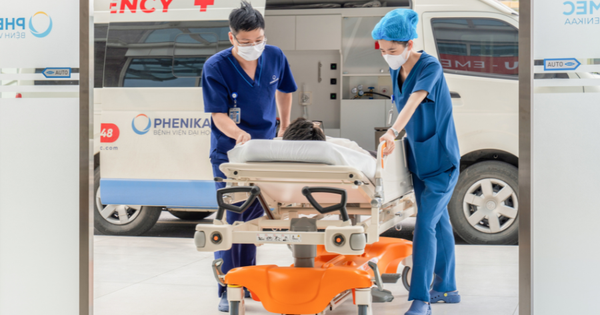
Comprehensive Palliative Care for Terminal Cancer Patients at PhenikaaMec
Phenikaa University Hospital (PhenikaaMec) in Hanoi provides a comprehensive palliative care model for terminal cancer patients, integrating intensive care with symptom management. According to hospital officials, the approach focuses on reducing physical pain and psychological distress to improve quality of life through 24/7 ICU support and specialized medical equipment.
The hospital’s Intensive Care Unit (ICU) operates around the clock to treat emergency situations including respiratory failure, severe infections, hemodynamic instability, and multi-organ failure. Dr. Nguyen Minh Nghia, Deputy Director of the ICU and a Specialist Level 2 with 25 years of experience in intensive care for cancer patients, manages these critical interventions.
How does PhenikaaMec manage terminal cancer symptoms?
Palliative care at PhenikaaMec is designed to reduce physical and mental suffering. It is not applied only at the final moments of life but is used alongside other treatments to manage symptoms and maintain daily activities.
The most common symptom treated is pain, which can be constant or intermittent and affects eating, resting, and overall quality of life. Patients also face dyspnea, persistent fatigue, nausea, vomiting, anorexia, weight loss, constipation, and insomnia.
Psychological support is a core component of the model. Hospital staff address anxiety, fear, loneliness, and the feeling of being a burden to family members. Dr. Nguyen Minh Nghia stated that pain management, respiratory assistance, nutrition, and encouragement allow patients to feel respected and heard.
What specialized equipment is used in the ICU?
The center employs a comprehensive central monitoring system that includes bedside cameras and hemodynamic monitoring devices such as PiCCO and USCOM. These tools allow medical staff to make timely treatment decisions based on real-time patient data.
Beyond monitoring, the facility provides point-of-care ultrasound (POCUS), mechanical ventilation, and continuous renal replacement therapy. The ICU team also operates ambulances to provide pre-hospital emergency care.
Who coordinates the patient care plan?
The ICU team works in close collaboration with oncology specialists and experts in nutrition and rehabilitation. This multidisciplinary approach is used to comprehensively evaluate health status and establish individualized pain management plans.
These plans are adjusted based on the severity of the disease. Continuous monitoring is used to optimize treatment effects while minimizing unwanted side effects.
What may happen next for terminal care at the facility?
PhenikaaMec is gradually building a more human-centered treatment environment. This focus suggests the hospital may further expand its emotional and psychological support frameworks for families.
The integration of specialized resuscitation and palliative care could lead to more refined protocols for managing acute pain spikes in terminal patients.
Frequently Asked Questions
What is the primary goal of palliative care at PhenikaaMec?
The goal is to reduce physical and mental suffering and improve the quality of life, rather than stopping treatment.
What emergency conditions does the ICU handle for cancer patients?
The ICU treats respiratory failure, severe infections, hemodynamic instability, multi-organ failure, consciousness changes, and uncontrollable acute pain.
Who is the lead specialist for the ICU’s cancer care?
Dr. Nguyen Minh Nghia, the Deputy Director of the ICU, who has 25 years of experience in the field.