
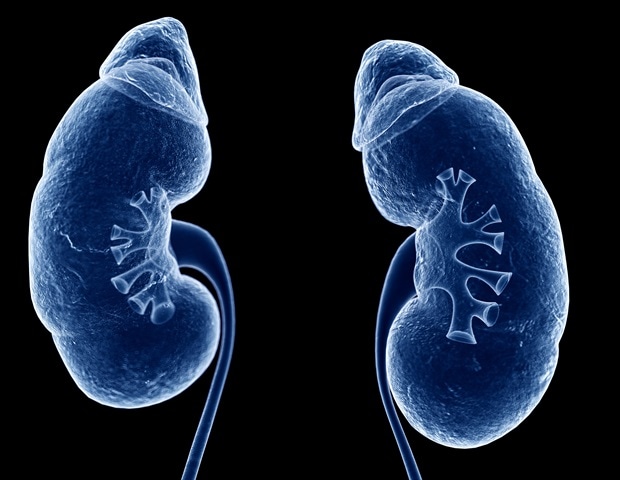
Current chronic kidney disease diagnostic thresholds reflect true patient risk
Chronic kidney disease (CKD) affects approximately 10 to 14 percent of the global adult population. For years, clinicians have faced a diagnostic challenge: while direct measurement of kidney function—known as measured glomerular filtration rate (mGFR)—is the gold standard, it is rarely available in routine clinical practice. Instead, doctors rely on estimated glomerular filtration rate (eGFR) derived from blood tests.
A new study published in the journal JAMA has confirmed that the diagnostic thresholds currently used to identify CKD accurately reflect a true increase in the risk of serious illness. By comparing direct measurements with existing clinical frameworks, researchers have validated that the current approach to screening and staging effectively identifies patients at risk for adverse health outcomes.
Validating the Diagnostic Framework
The study, conducted by researchers at Karolinska Institutet and Leiden University Medical Center, analyzed 6,174 adults in Stockholm between 2011 and 2021. Participants underwent mGFR determination using iohexol clearance testing, a process where a contrast agent is tracked to measure how effectively the kidneys filter blood. These individuals were followed for nearly six years to track outcomes, including cardiovascular disease, heart failure, acute kidney injury, kidney failure, and death.
The investigation was prompted by concerns that common biomarkers, such as serum creatinine and cystatin C, can be influenced by factors unrelated to kidney function, such as obesity, inflammation, and muscle mass. The findings confirm that despite these variables, the established diagnostic framework corresponds to a real increase in risk as kidney function declines.
Refining Risk Assessment
The researchers also evaluated how to improve the accuracy of routine testing. They discovered that the most reliable risk assessment for mortality is achieved when eGFR is calculated using both creatinine and cystatin C rather than relying on a single test. According to Juan-Jesus Carrero, “Using both blood tests thus provides a more reliable picture of patient risk than with either test alone, supporting their combined use in clinical-decision making.”
Looking ahead, these findings could lead to a more standardized approach in clinical settings. By adopting a combined testing strategy, healthcare providers may be better equipped to identify early indicators of kidney decline, potentially allowing for earlier interventions that could mitigate the risk of severe complications like heart failure or kidney failure.
Frequently Asked Questions
Why is direct measurement of kidney function (mGFR) not always used?
Direct measurement of kidney function is rarely available in routine clinical practice, leading clinicians to rely on estimated glomerular filtration rate (eGFR) derived from blood tests.
What are the limitations of common blood tests for kidney function?
Serum creatinine and cystatin C can be influenced by factors other than kidney function, such as muscle mass, inflammation, and obesity, which previously raised questions about the accuracy of diagnostic thresholds.
How can clinicians improve the accuracy of risk assessment?
The study suggests that the most accurate risk assessment for mortality is achieved when eGFR is calculated using both creatinine and cystatin C together, rather than relying on either test alone.
How might these findings change the way your healthcare provider monitors your kidney health in the future?