

Daring drone prison drop-off in Queensland dashed by officers
The New Frontier of Prison Contraband: Why Drones Are Changing Security
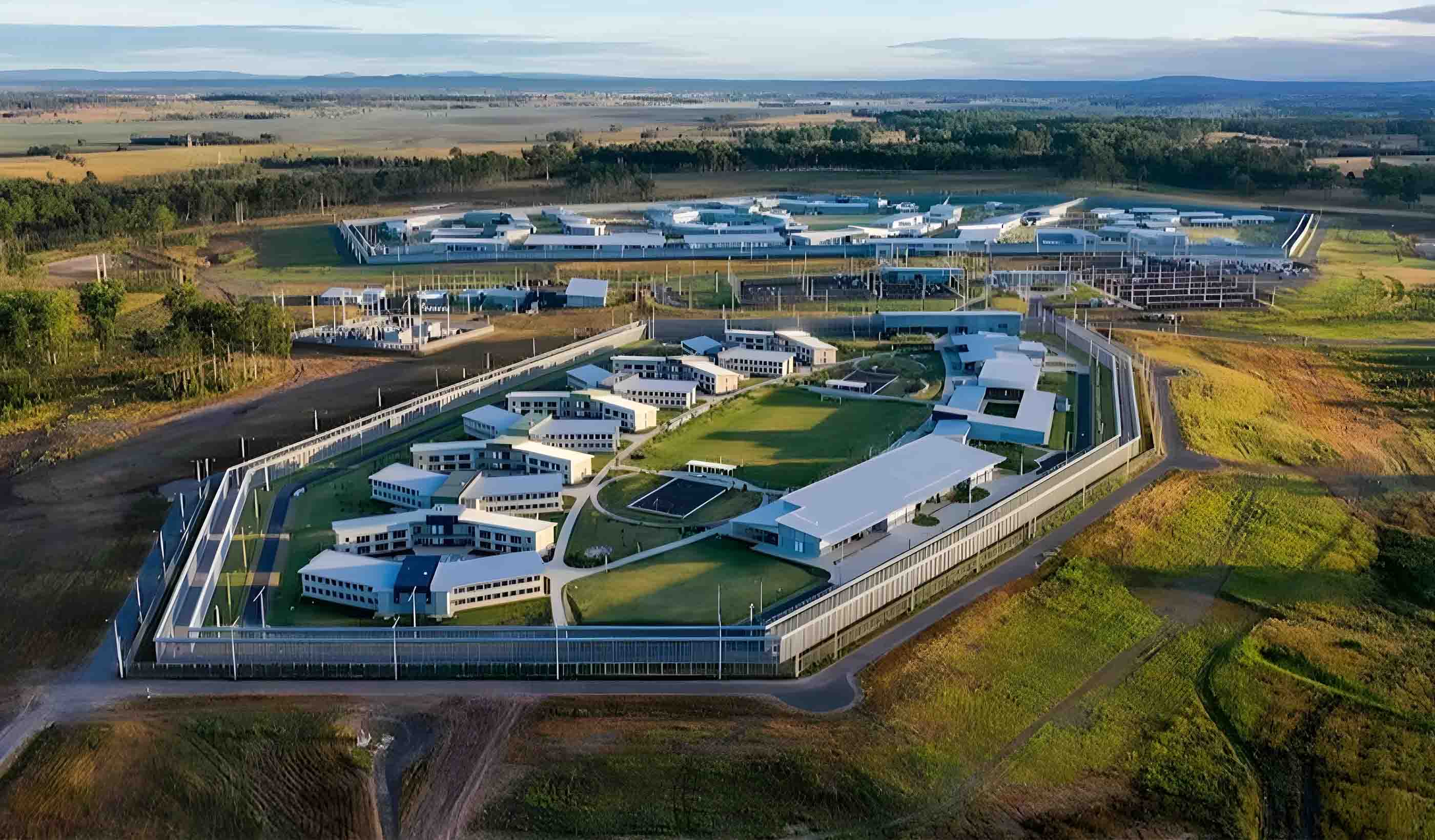
The recent interception of a drone carrying over AU$1 million in contraband at the Townsville Correctional Complex highlights a growing crisis in modern penology. As prison security evolves, so too do the tactics of organized crime. Moving beyond traditional “throw-overs” or corrupt staff, criminals are increasingly turning to unmanned aerial vehicles (UAVs) to bypass perimeter defenses.
This incident, involving a payload of drugs, syringes, and mobile phones, represents a significant escalation. It is no longer just about small-scale smuggling; it is a high-stakes logistics operation that challenges the very concept of a secure facility.
The Technological Arms Race in Corrections
Prisons were originally designed to keep people in and unauthorized items out through static barriers like high walls, razor wire, and guard towers. Drones, however, operate in the third dimension, rendering traditional perimeter security partially obsolete.
Detection and Mitigation Strategies
Correctional facilities globally are now scrambling to implement counter-UAV (C-UAV) technologies. These systems generally fall into three categories:
- Detection: Using acoustic, radar, and radio frequency (RF) sensors to identify a drone’s presence before it reaches the facility.
- Identification: Tracking the flight path and locating the operator’s position in real-time.
- Mitigation: Utilizing jamming technology or “geofencing” to disrupt the drone’s navigation or signal, effectively forcing it to land or return to the pilot.
Future Trends: What’s Next for Prison Security?
As we look toward the future, the integration of Artificial Intelligence (AI) will likely define the next phase of this battle. AI-powered cameras capable of distinguishing between bird life and mechanical drones will become standard, reducing false alarms and allowing staff to focus on genuine threats.
we are likely to see an increase in “drone swarms”—multiple small, inexpensive units used to overwhelm security sensors—forcing correctional agencies to adopt more sophisticated, multi-layered defense shields. Policy changes regarding “no-fly zones” over correctional facilities are also becoming a legislative priority in many jurisdictions, providing police with more authority to seize equipment and prosecute operators.
Frequently Asked Questions (FAQ)
- How do prisons currently catch drones?
- Most facilities rely on a combination of eagle-eyed staff patrols, CCTV monitoring, and increasingly, specialized RF detection systems that flag unauthorized signals in the airspace.
- What is the biggest risk of drone smuggling?
- Beyond the obvious danger of illicit substances, the introduction of mobile phones is a major security threat, as they allow inmates to coordinate criminal activity from within their cells.
- Are there laws against flying drones over prisons?
- Yes, in most jurisdictions, flying a drone over a correctional facility is a serious criminal offence, often treated as an act of trafficking or interfering with critical infrastructure.
What do you think is the most effective way to secure prisons against aerial threats? Should we be using signal jammers, or is physical interception the only way forward? Join the conversation in the comments below or subscribe to our newsletter for the latest updates on security technology.