
Deadly Philippine quake raised seabed by up to two metres
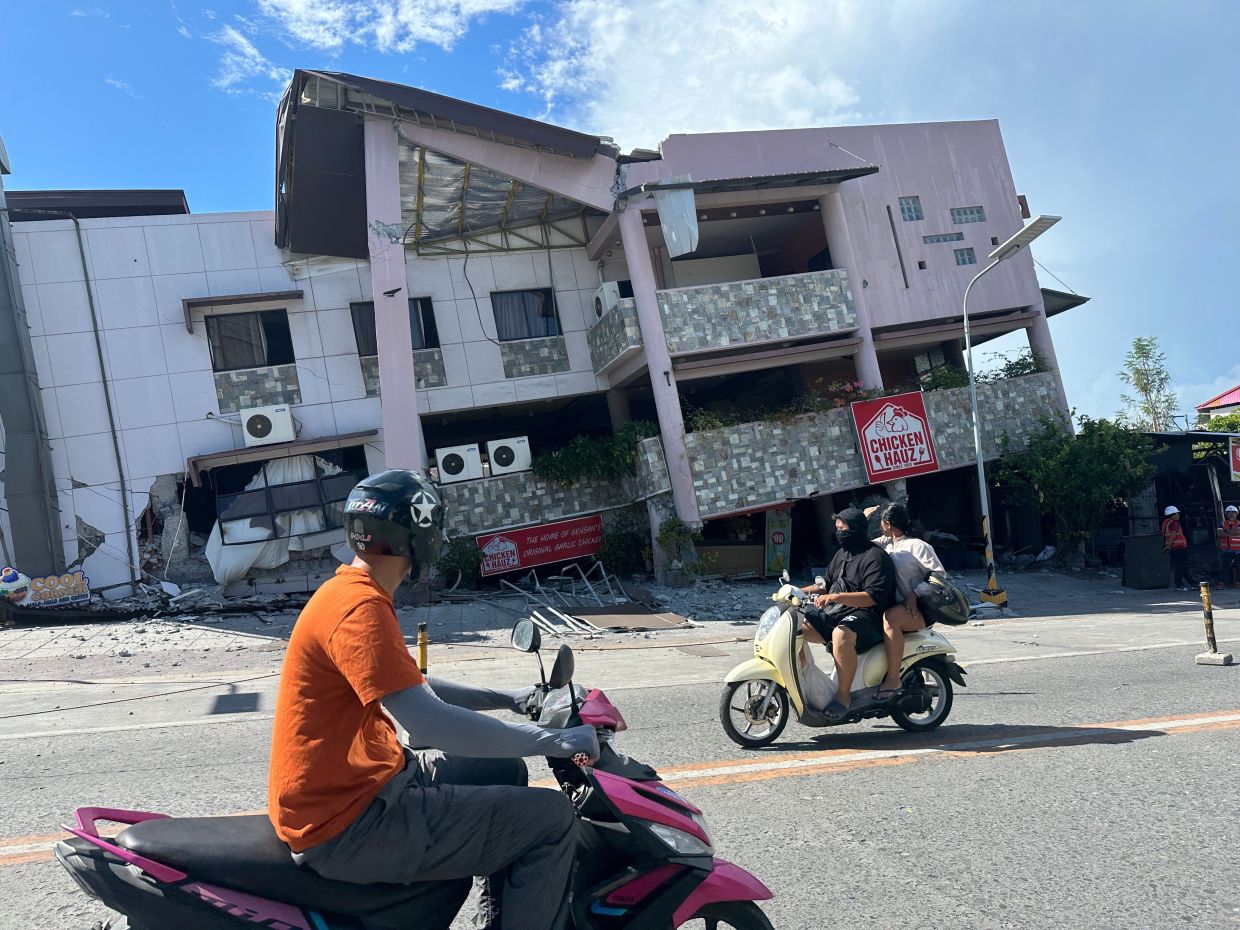
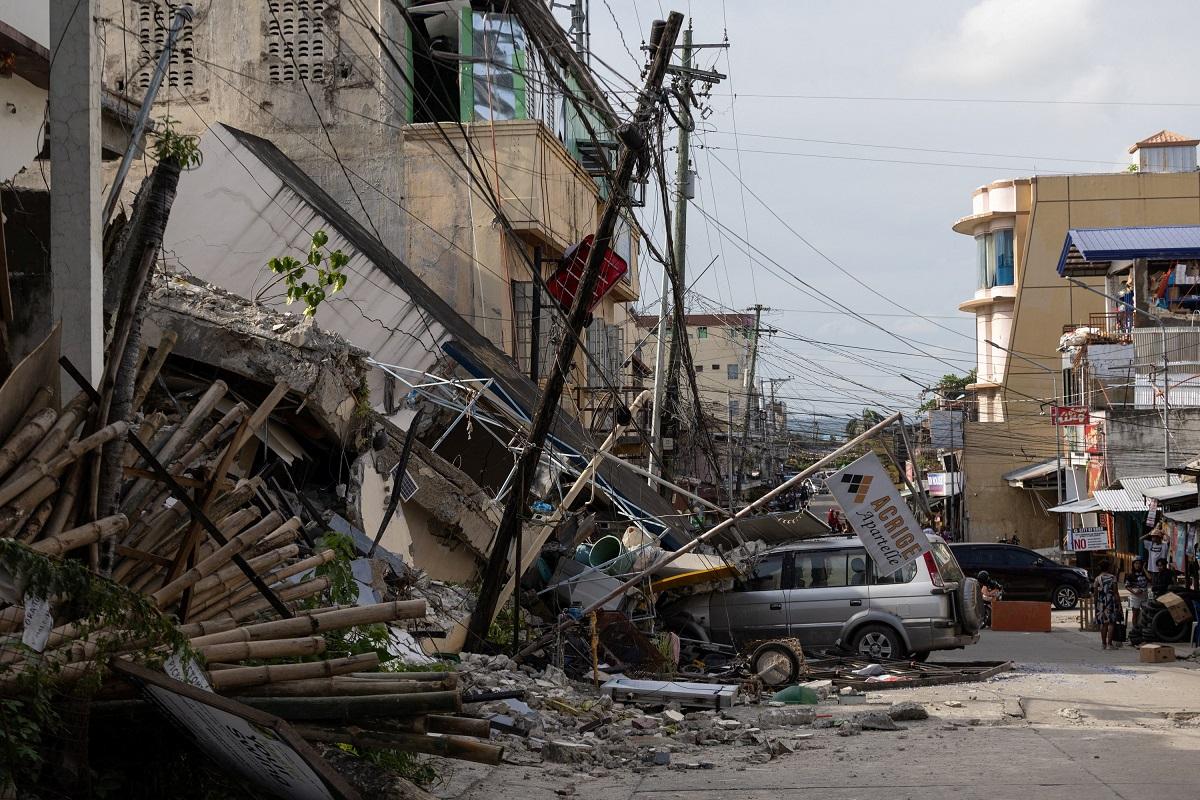
A 7.8-magnitude earthquake in the southern Philippines has killed at least 61 people, with 40 still missing, while causing significant geological shifts that raised the seabed by as much as two metres. According to the Philippine Institute of Volcanology and Seismology (PHIVOLCS), the movement of the Cotabato Trench exposed coral reefs and seagrass beds, extending some shorelines by 200 metres and resulting in widespread marine die-offs.
How coastal uplift alters marine ecosystems
Coastal uplift occurs when tectonic activity forces land to rise rapidly, permanently changing the interface between the ocean and the shore. The Philippine environment department confirmed that the recent seismic event in Mindanao caused a mapped uplift of approximately two metres. This sudden shift left coral reefs and seagrass beds—previously submerged in a stable marine environment—exposed to the air. According to the environment department, these ecosystems and their resident organisms, including reef fish, eels, and clams, have begun to die off due to the exposure.
Coastal uplift is a common byproduct of massive subduction zone earthquakes, but the scale of the damage depends heavily on the slope of the seafloor and the proximity of the fault line to the coast.
Why the Cotabato Trench remains a high-risk zone
The Cotabato Trench is a known site of frequent seismic activity, situated as close as 50 kilometres off the coast of southern Mindanao. PHIVOLCS noted that the region experienced a “swarm” of thousands of smaller earthquakes throughout January, signaling high tectonic stress before the major tremor. This history of frequent activity suggests that the region remains prone to further geological instability. Unlike inland faults, trench-related movements often trigger vertical displacement, which increases the likelihood of both surface uplift and localized tsunami risks.
What are the long-term environmental consequences?
The immediate concern for local residents involves the health hazards posed by decaying marine life. Reports from the environment department indicate that residents raised alarms over potential poisoning from fumes released by the rotting organisms. Beyond the immediate sanitation crisis, the loss of coral reefs and seagrass beds represents a significant blow to local biodiversity. These ecosystems serve as nurseries for commercial fish species, and their destruction can impact local food security for years. Scientists are still surveying the vast, affected coastline to determine the full extent of the ecological damage.
Comparison of Seismic Impacts
| Feature | Reported Impact |
|---|---|
| Max Shoreline Extension | 200 metres |
| Mapped Vertical Uplift | 2 metres |
If you live in a coastal seismic zone, familiarize yourself with local government hazard maps. These maps often identify areas prone to land subsidence or uplift during major earthquake events.
Frequently Asked Questions
What is coastal uplift?
Coastal uplift is a geological process where the land surface is pushed upward during an earthquake, causing the sea level to appear to recede and exposing the seabed.
Is it safe to visit the newly exposed seabed?
Local authorities advise caution, as decaying marine life can release harmful gases and create unsanitary conditions. Additionally, the unstable ground may pose a risk of injury.
Can coral reefs recover after an earthquake?
While some coral can survive if the uplift is minimal, large-scale exposure to air typically leads to the death of the reef. Recovery depends on the depth of the new waterline and the rate of sediment deposition.
For more updates on disaster relief and geological monitoring in the Philippines, subscribe to our monthly science newsletter or join the conversation in the comments section below.