

DGB Proposes Mandatory Company Pensions to Support German Pension Reform
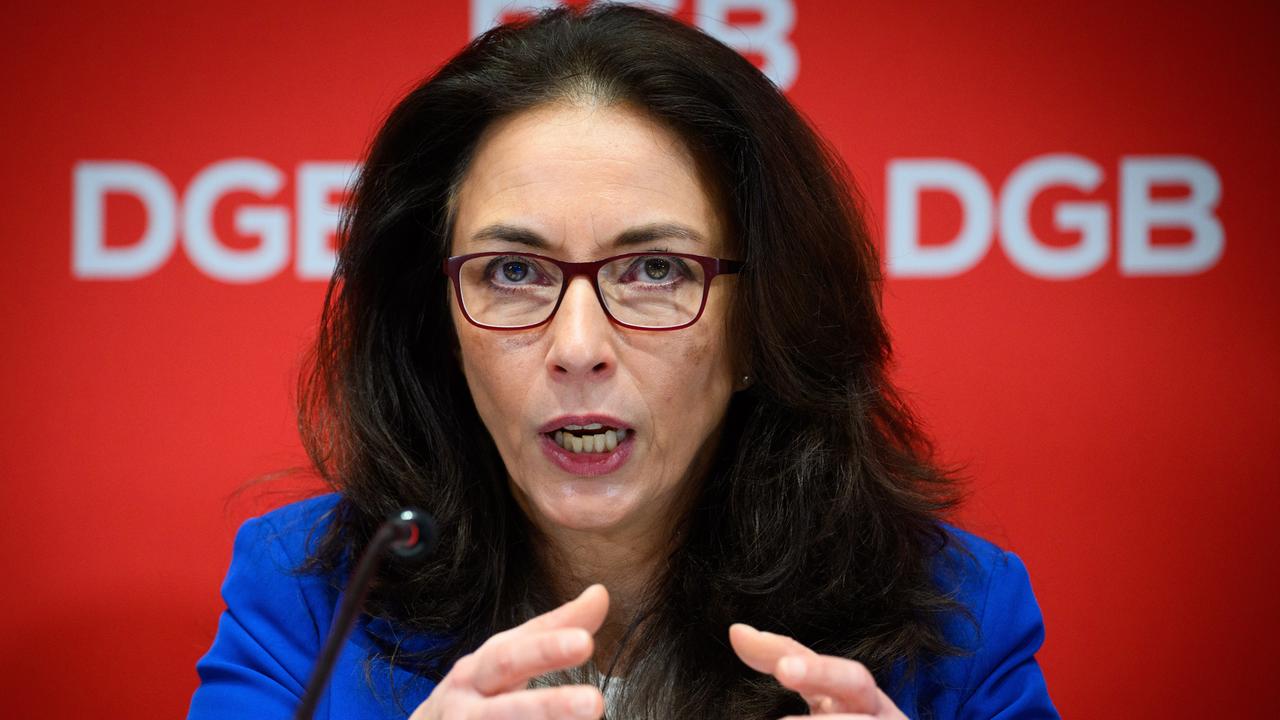
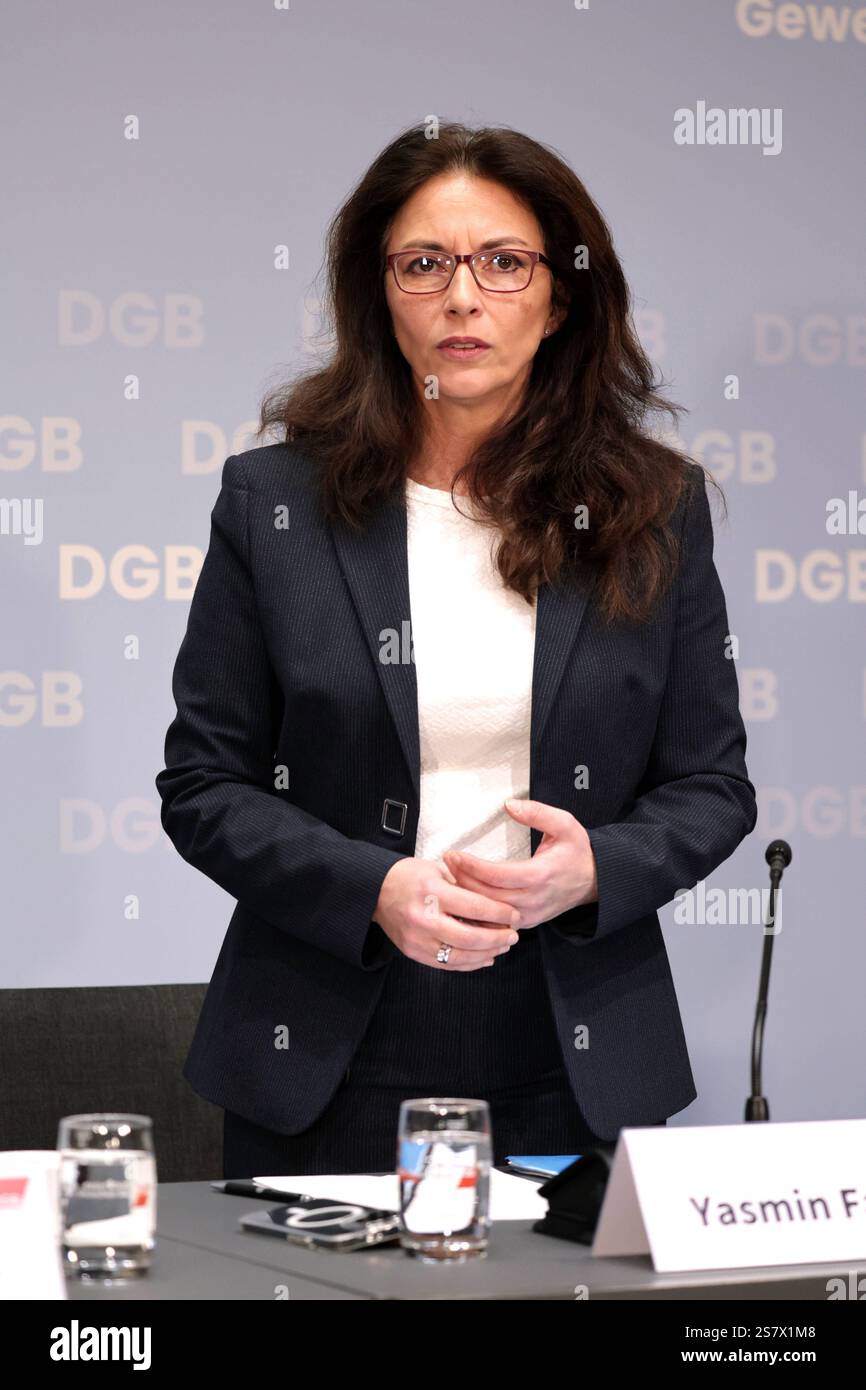
The German government is currently navigating a high-stakes reform of the national pension system as a specially appointed expert commission prepares to deliver its findings. At the heart of the debate is a proposal from the German Trade Union Confederation (DGB) to implement a mandatory occupational pension scheme. DGB chairwoman Yasmin Fahimi argues that employers must play a larger role in securing retirement benefits to prevent the system from relying solely on the shoulders of employees.
Did You Know?
According to DGB chairwoman Yasmin Fahimi, approximately 20 million employees in Germany currently lack any form of occupational pension coverage, primarily because they work for companies without collective bargaining agreements.
The Argument for Mandatory Occupational Pensions
The DGB is pushing for a mandatory, employer-supported retirement pillar that functions alongside the existing state pension. Fahimi emphasizes that this scheme should be established through collective bargaining agreements. For businesses currently operating outside of these agreements, she suggests that a “low-threshold” approach could be used to integrate employees into existing models. The core goal is to shift the financial responsibility so that the burden does not fall exclusively on workers, which Fahimi warns could otherwise force employees toward private insurance products.
Differing Perspectives on Reform
The proposal has sparked a clear divide among political and economic stakeholders. Dennis Radtke, head of the CDA (the employee wing of the Union), has welcomed the idea as a “right step,” suggesting that the three pillars of retirement—state, occupational, and private—must be more tightly integrated to ensure stability. Conversely, Gitta Connemann, federal chairwoman of the Mittelstandsunion, has strongly rejected the plan. She argues that mandating additional financial obligations for employers would create new burdens at an inopportune time, potentially threatening investment, growth, and job security.

Expert Insight:
The current tension highlights a fundamental trade-off in social policy: balancing the urgent need to stabilize pension funds—threatened by the impending retirement of large birth cohorts—against the economic strain on small and medium-sized enterprises. The debate reflects a broader European trend, as noted by Fahimi, where many nations maintain mandatory pension contribution rates of 20 percent or higher, often with a significant employer-funded component.
What Happens Next
The government’s reform commission, led by social law professor Constanze Janda and former Federal Employment Agency head Frank-Jürgen Weise, is expected to present its final report on June 29. While the commission includes a diverse group of experts and political representatives with varying views, its findings are intended to serve as a roadmap for the government’s upcoming legislative reforms. Following the report’s release, the DGB plans to unveil more concrete details regarding its proposal by the end of the month, which will likely serve as a focal point for further negotiations on the financial viability of Germany’s aging population.
Frequently Asked Questions
Who is leading the commission responsible for the pension reform proposals?
The commission is co-led by social law professor Constanze Janda, on behalf of the SPD, and former Federal Employment Agency head Frank-Jürgen Weise, on behalf of the Union.
Why does the DGB believe employers should pay more into pension schemes?
DGB chairwoman Yasmin Fahimi argues that the current system is not sustainable if the burden is placed solely on employees. She points out that in many other European countries, mandatory pension contribution rates exceed 20 percent, with substantial employer contributions, a model she believes could be applied in Germany.
What is the primary concern raised by the Mittelstandsunion?
Gitta Connemann of the Mittelstandsunion warns that mandatory occupational pensions would place excessive financial pressure on businesses, potentially endangering future investments, jobs, and overall economic growth.
Do you believe that a mandatory employer-funded pension scheme is the most effective way to secure the future of the German retirement system?