
The Met Unveils 100+ High-Fidelity 3D Art Models
The Metropolitan Museum of Art has launched over 100 high-fidelity 3D models of its artworks online via its Open Access program. These digital assets allow users to zoom, rotate, and explore masterpieces through web browsers, augmented reality (AR), and VR headsets, according to the museum’s imaging department.
How does The Met’s 3D imaging change art accessibility?
Digital twins remove the physical and temporal barriers of a traditional gallery. Visitors can now access the collection outside of standard operating hours and view works from angles usually blocked by security ropes or crowds. By clicking a “View in 3D” icon, users can rotate objects and zoom into fine details that aren’t visible to the naked eye in person.
The museum’s imaging department noted that these models aren’t just flat images. They’re interactive experiences. Users can project these works into their own living rooms using smartphone AR or immerse themselves fully using VR headsets.
What artworks are available in these 3D models?
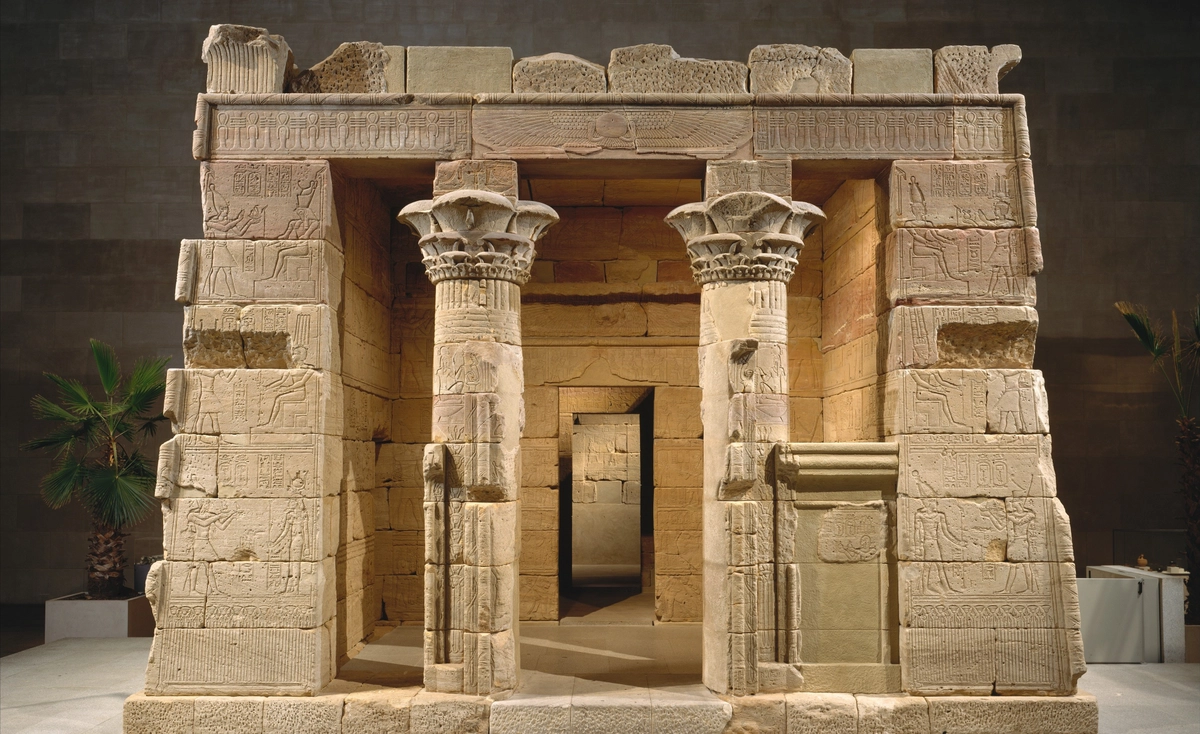
The initial release spans centuries and continents. Users can virtually enter the Temple of Dendur, a sandstone structure completed around 10 B.C. in Nubia. Other available models include a 3rd-century Roman marble sarcophagus featuring lions attacking antelopes and the 1646 “Old Plum” screens by Kano Sansetsu from a Kyoto Zen temple.
The collection also highlights intricate sculptures and armor. High-detail models include Jean-Baptiste Carpeaux’s “Ugolino and His Sons” (1865-1867) and Antonio Canova’s “Perseus holding the head of Medusa” (1804-1806). The museum also digitized a rare parade armor belonging to King Henry II of France from approximately 1555.
How does the partnership with NHK improve digital accuracy?
The Met’s imaging department partnered with NHK (Japan Broadcasting Corporation) to capture objects that traditional photography can’t handle. This collaboration used laser scanners and specialized photographic techniques to map complex geometries with precision.
According to the museum, this tech was essential for “impossible” objects. Examples include the six-panel folding screens “Divertissements à Higashiyama à Kyoto” from the 1620s. Laser scanning ensures that the curvature and texture of the materials are captured exactly as they appear in the physical world.
Why are museums shifting toward “Open Access” digital twins?
The move toward Open Access represents a shift in how cultural institutions view ownership and education. By providing high-fidelity data for free, the Met allows researchers, students, and the public to study art without needing a travel budget or a special permit.

The museum maintains that digital models don’t replace the physical visit. Instead, they act as a hook. By giving a “spectacular” level of detail online, the institution aims to spark curiosity that drives people to visit the physical galleries in New York.
Frequently Asked Questions
Can I view these artworks in Virtual Reality?
Yes. The Met stated that these models are compatible with VR headsets and smartphone-based augmented reality.
Is there a cost to access the 3D models?
No. These are part of the museum’s permanent Open Access program and are available for free on their official website.
How many 3D models are currently available?
The museum recently published the first 100 high-fidelity models, with more planned for future release.
Which masterpiece would you most want to see in 3D? Let us know in the comments below or subscribe to our newsletter for more updates on the intersection of art and technology.