

Ebola Prevention: Critical Steps for Early Detection and Hospital Safety
In a busy hospital, a patient presenting with fever, fatigue, or diarrhea might easily go unnoticed among hundreds of daily visitors. However, if that individual has traveled to an Ebola-affected region within the last 21 days, the risk profile for both the medical facility and the surrounding community shifts dramatically. Health experts emphasize that gathering epidemiological information the moment a patient arrives is the most critical step in early detection and prevention.
While no cases of Ebola have been reported in Vietnam to date, health authorities are proactively strengthening response capabilities. With international trade, tourism, and travel on the rise, experts warn that the risk of the virus entering the country remains a reality that requires constant vigilance.
The Challenge of Early Detection
The primary difficulty in diagnosing Ebola lies in its ambiguous initial presentation. Early symptoms—such as fever, headache, muscle pain, fatigue, vomiting, or diarrhea—are indistinguishable from more common illnesses like seasonal flu, malaria, dengue fever, or acute gastrointestinal disorders.
According to Dr. Doan Thu Tra, acting director of the Bach Mai Institute of Tropical Medicine, the virus has an incubation period of 2 to 21 days. While individuals are not infectious during the asymptomatic phase, once the disease manifests, the virus spreads through blood and body fluids. Dr. Tra notes that because early symptoms are easily overlooked, checking a patient’s travel history and potential contact with infected individuals is a professional duty that must occur immediately upon intake.
Standardizing Hospital Response
To prevent the virus from entering through the “gateway” of a hospital, institutions like Bach Mai are reviewing their entire preparation process. This includes staff training, refined screening protocols, and the establishment of strict isolation procedures. Experts argue that waiting for clear signs of hemorrhaging is a common mistake; instead, medical staff are urged to prioritize the identification of risk factors during the initial contact.
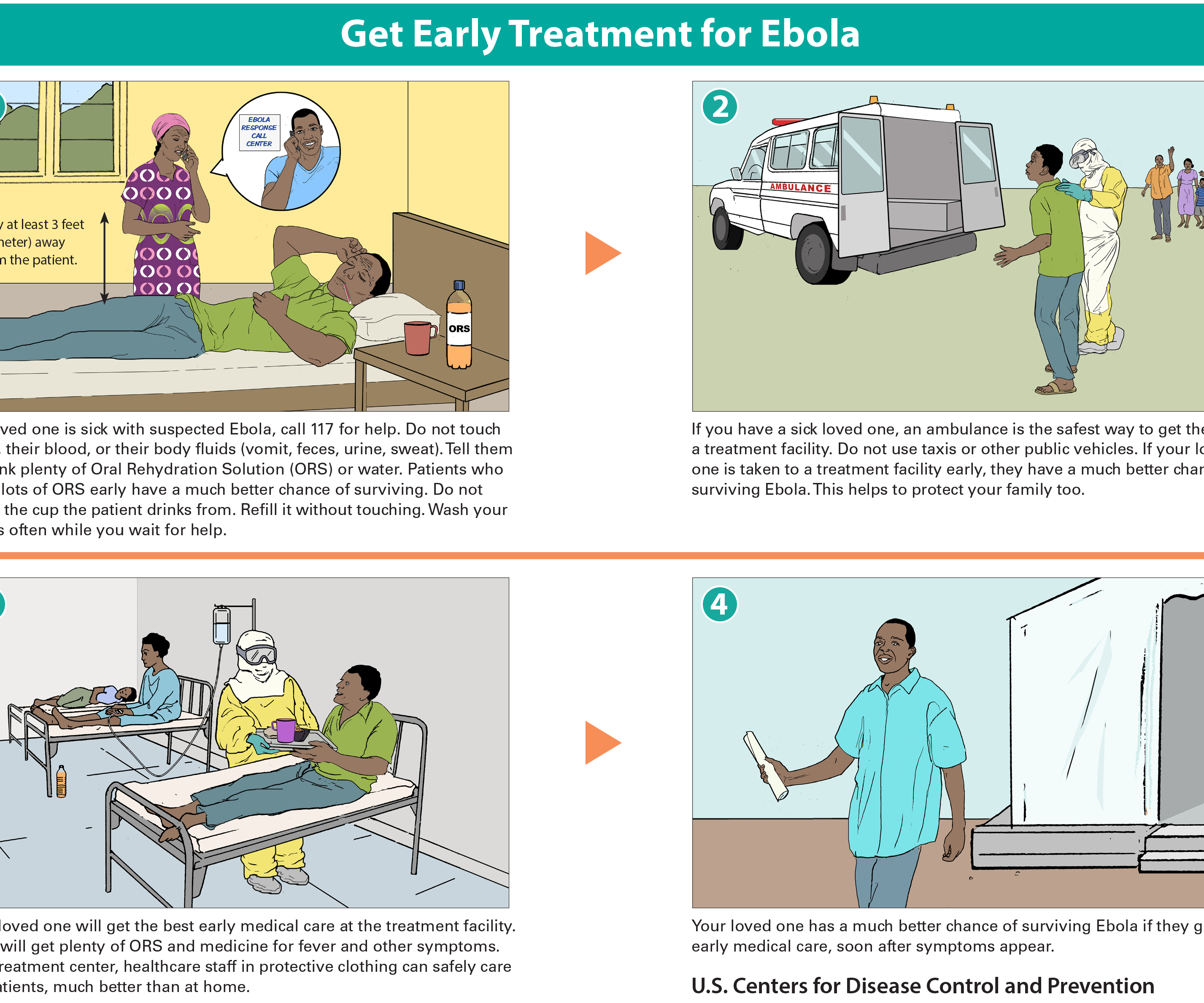
If a suspected case is identified, the patient must be moved away from crowded areas to minimize contact. Medical personnel must utilize full personal protective equipment (PPE) and adhere to rigorous protocols regarding waste management, environmental disinfection, and specimen handling. These steps are essential to ensure that the hospital environment does not become a site for secondary transmission.
Future Outlook
If global travel trends continue, hospitals may face an increasing frequency of screenings for high-risk infectious diseases. Analysts expect that maintaining high levels of readiness—including constant monitoring of official health updates and strict adherence to containment protocols—will likely remain the standard for preventing large-scale outbreaks. If these proactive measures are consistently applied, the risk of transmission within the community could be effectively managed even if the virus is introduced to the region.

Frequently Asked Questions
What is the most effective way to screen for Ebola during the initial patient intake?
Medical staff should prioritize asking about a patient’s recent travel history and potential contact with individuals from epidemic-prone areas, rather than waiting for specific physical symptoms like bleeding to manifest.
Why is the 21-day window significant in Ebola screening?
The virus has an incubation period of 2 to 21 days. Identifying whether a patient has visited an affected region within this timeframe is crucial for assessing potential exposure before symptoms progress.
What should a medical facility do if a suspected case is identified?
The patient should be immediately moved to an area away from crowds to minimize contact, and medical staff must implement full personal protective equipment (PPE) and follow strict protocols for isolation, waste disposal, and disinfection.
How do you believe individual awareness regarding travel history and health reporting contributes to the overall safety of your community?