
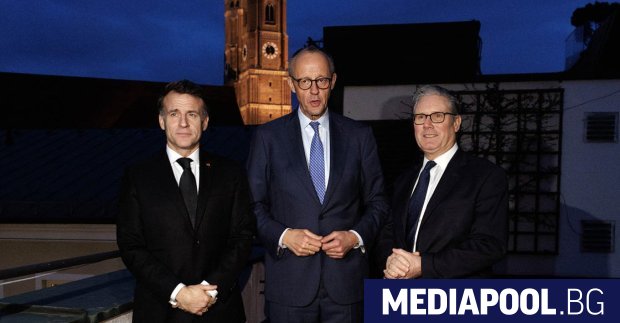
Germany, France and UK Draft Plan to Engage Putin in Ukraine Peace Talks
The “Euro-trio”—Germany, France, and the United Kingdom—is currently coordinating with Kyiv to develop a strategic framework intended to draw Russia into negotiations to end the ongoing war. This diplomatic initiative comes as European allies observe a shift in battlefield dynamics that they believe may favor Ukraine, even as Vladimir Putin maintains a rigid stance against compromise.
According to sources familiar with the discussions, the European powers have consulted with their Ukrainian counterparts regarding this potential path to peace. While the Euro-trio is exploring these possibilities, they have emphasized that the final decision rests solely with President Volodymyr Zelenskyy, confirming that they will not pressure the Ukrainian leadership to adopt any strategy that contradicts their own national objectives.
The Case for Diplomacy
The push for a renewed dialogue is driven by a perceived stalemate on the battlefield, where the Russian military has been losing territory for two consecutive months. The persistent and successful use of Ukrainian drones against Russian supply lines and facilities within Russia has increased the urgency for a diplomatic solution before the onset of another winter, which is expected to bring intensified Russian bombardment of Ukrainian infrastructure.
A German government representative noted that the window for dialogue between Europe and Russia regarding Ukraine is beginning to open, with the Euro-trio poised to play a central role. British Prime Minister Keir Starmer is expected to discuss the situation in the coming days with German Chancellor Friedrich Merz and French President Emmanuel Macron.
Internal Pressures in Russia
Within Russia, the discourse among some elites and commentators is shifting toward the necessity of ending the conflict, as key objectives—such as securing the entire Donbas—appear increasingly out of reach. Analysts suggest that the continued consumption of resources, such as those being expended near Mala Tokmakhta, is prompting a more pragmatic assessment of the war’s utility.
However, the transition from military engagement to negotiation remains fraught with uncertainty. While some voices within the Russian elite are beginning to discuss the possibility of concluding the war, there is no verified evidence that Vladimir Putin has altered his fundamental position.
Future Outlook
Looking ahead, the success of these diplomatic efforts remains speculative. Analysts suggest that if the Euro-trio succeeds in facilitating a dialogue, it could potentially begin within a few months. Nevertheless, the outcome hinges on whether the Russian leadership concludes that the costs of continuing the war outweigh the benefits, a threshold that has not yet been clearly crossed in the eyes of international observers.
Frequently Asked Questions
What is the role of the Euro-trio in the current peace efforts?
The Euro-trio (Germany, France, and the UK) is working to develop a plan to bring Russia and Ukraine to the negotiating table, acting as a facilitator for potential future discussions.
Is President Zelenskyy being forced to negotiate?
No. Sources confirm that European nations will not pressure the Ukrainian president to accept any strategy he does not agree with, and the final decision remains with Kyiv.
Are there signs of dissent regarding the war within Russia?
Yes. Some commentators and figures close to the Russian power structure have begun to openly suggest that the war has reached a stalemate and that the original objectives are no longer achievable.
What do you believe is the greatest obstacle to a sustainable diplomatic resolution in this conflict?