
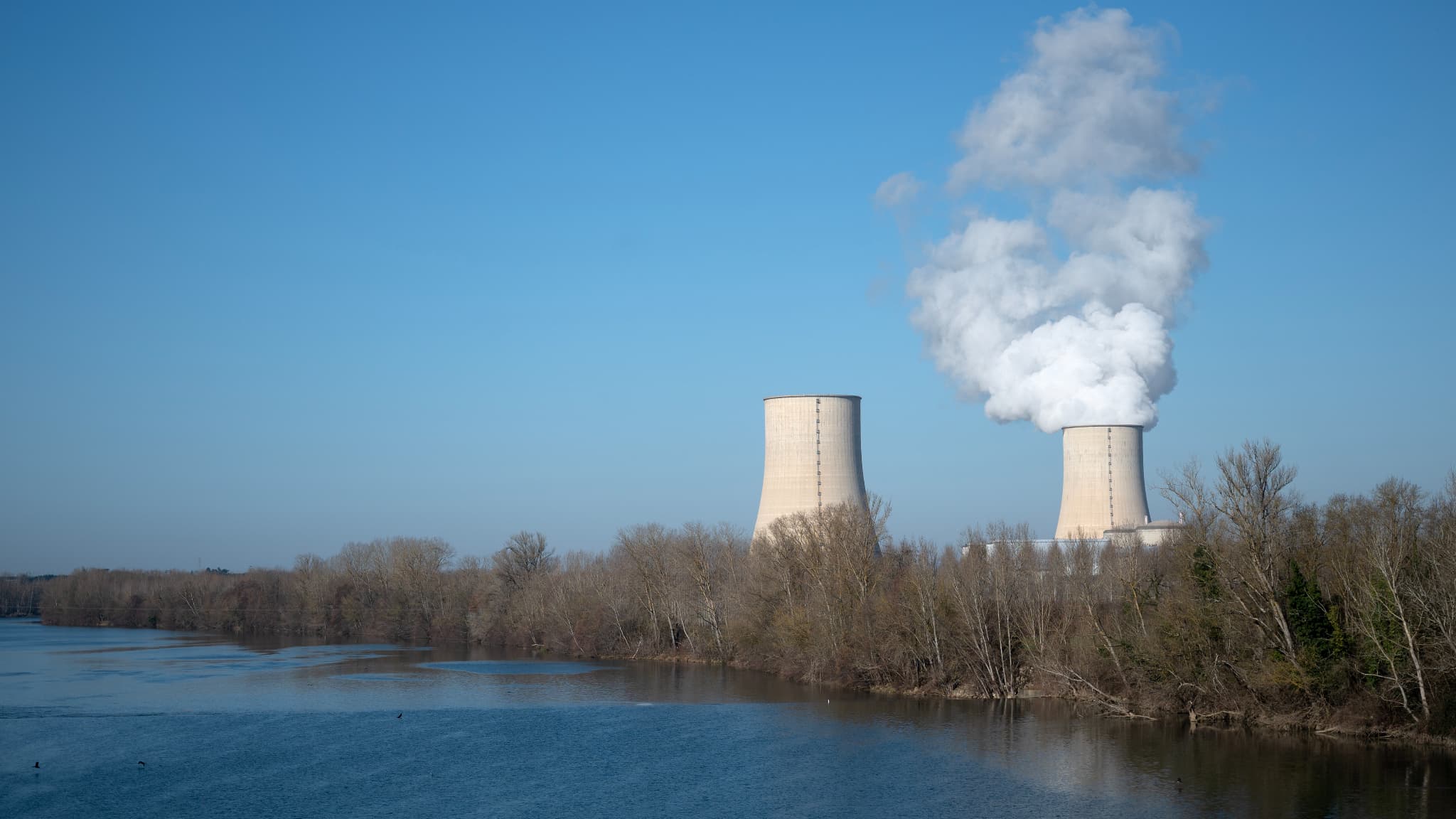
EDF Shuts Down Golfech Nuclear Reactor Due to High Garonne River Temperatures
EDF halted operations at the Golfech nuclear power plant’s second reactor late Monday, June 22, to comply with environmental regulations regarding the temperature of the Garonne river. The shutdown occurred at 11:45 p.m. as a precautionary measure to prevent the plant’s thermal discharge from pushing the river’s water temperature above a 28-degree Celsius limit set by a 2006 regulatory order.
Why cooling constraints matter for nuclear production
Nuclear reactors require constant cooling, necessitating their placement near large bodies of water. According to EDF, the company must adhere to strict thermal thresholds to protect local flora and fauna, which limits the amount of heat the plant can return to the river. At the Golfech site, regulations mandate that the plant does not exceed a 1.25-degree temperature increase in the Garonne from June 1 through September 30.

While Golfech utilizes a “semi-closed” cooling circuit—which evaporates roughly 40% of captured water through towers and returns less water to the river than “open-circuit” plants—it remains subject to these environmental mandates. Other facilities, such as those at Tricastin, Blayais, Saint-Alban, and Bugey, operate on open-circuit systems that return higher volumes of water at temperatures up to 10 degrees higher, making them more frequently affected by heatwaves.
The Golfech plant’s first reactor was already offline for maintenance since May. With the second reactor now shuttered due to the current heatwave, the entire facility is effectively inactive.
Long-term impacts of climate change on energy
EDF estimates that these environmental shutdowns currently account for a 0.3% impact on total annual nuclear production. However, as global temperatures rise, these constraints could become more frequent. Projections indicate that without significant infrastructure adaptation, the reduction in output could climb to an average of 1.4% by 2035 and 1.5% by 2050.

The recurring nature of these shutdowns highlights the inherent tension between maintaining a stable baseload power supply and adhering to strict ecological safety standards. As heatwaves increase in frequency, EDF faces a growing challenge in balancing grid reliability with the environmental mandate to preserve river ecosystems.
What is the outlook for other French nuclear sites?
The operational status of other French nuclear plants remains sensitive to incoming weather patterns. EDF continues to monitor temperatures at sites like Bugey and Saint-Alban, where production is regularly slowed or halted during peak heat. Analysts expect that if high temperatures persist across France, additional units at these facilities may face similar regulatory-driven reductions to ensure compliance with local environmental heat thresholds.

Frequently Asked Questions
Why was the Golfech reactor shut down?
The reactor was stopped to prevent the Garonne river from exceeding a 28-degree Celsius temperature threshold, as required by a 2006 regulatory order.
How much does heatwave-related downtime affect production?
EDF estimates that mandatory thermal restrictions currently impact annual nuclear production by approximately 0.3%.
Are all nuclear plants affected equally by high temperatures?
No. Plants with “open-circuit” cooling systems, such as Tricastin or Bugey, are generally more susceptible to these restrictions than “semi-closed” plants like Golfech because they discharge larger volumes of warmer water into rivers.
How might the ongoing evolution of climate patterns influence the future of nuclear energy infrastructure in France?