
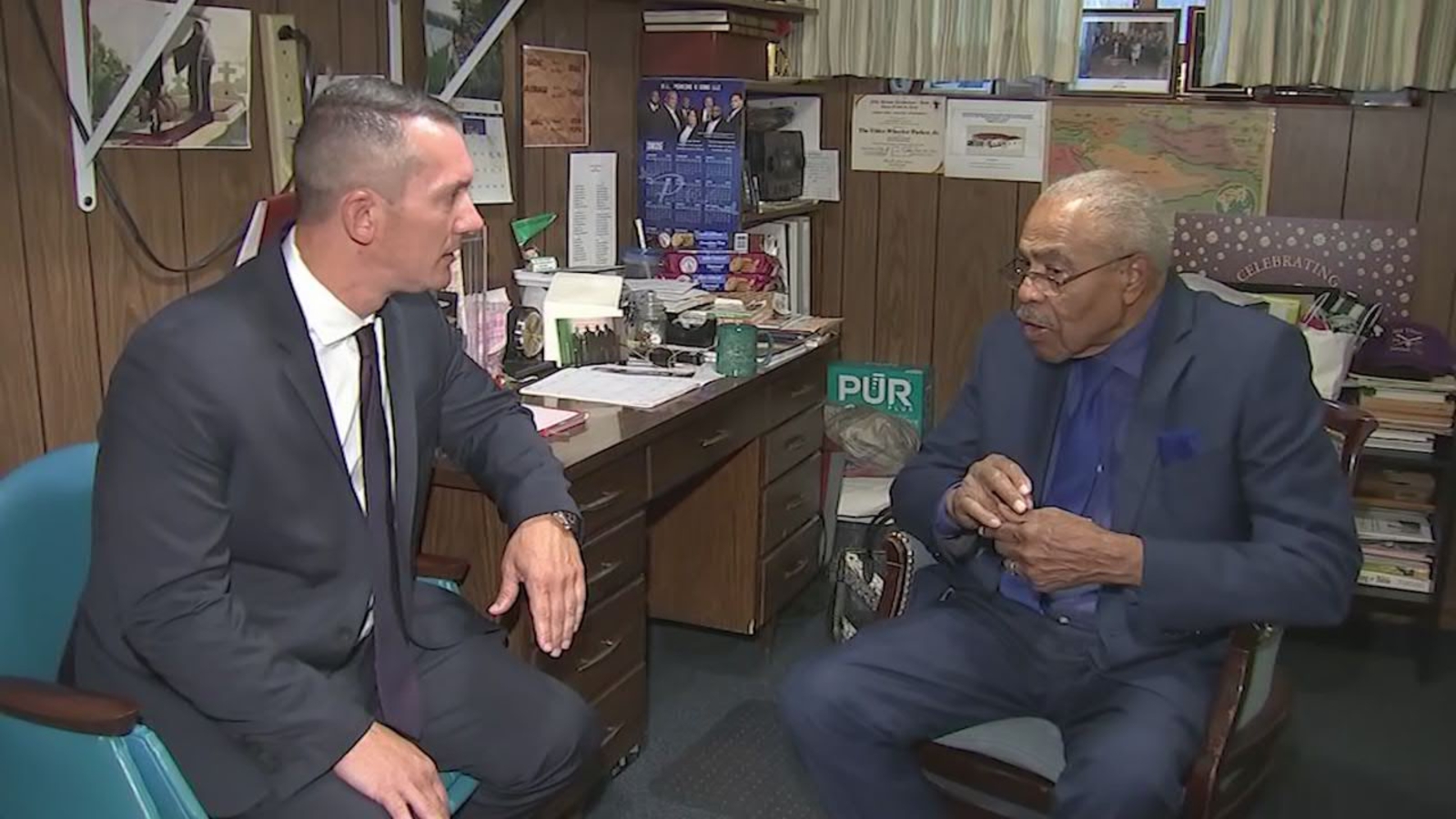
Emmett Till’s Cousin and Jim Crow Descendant Unite to Promote Healing and Unity
History often moves in long, painful arcs, but occasionally, the trajectory shifts toward reconciliation. When Rev. Wheeler Parker Jr.—a cousin of Emmett Till—stood alongside Charles Sims, the descendant of a Jim Crow architect, the moment transcended a simple meeting. It signaled a growing trend in social evolution: the intentional intersection of ancestral accountability and communal healing.
The Rise of Ancestral Accountability
We are entering an era where descendants of historical figures involved in systemic oppression are increasingly stepping forward to acknowledge their lineage. This isn’t merely a symbolic gesture; it is a movement of radical responsibility.
Sociologists note that as digital archives make historical records more accessible, families are confronting uncomfortable truths about their ancestors. This trend of “genealogical reckoning” is moving from private reflection to public advocacy. By acknowledging the architects of segregation, individuals like Sims are helping to deconstruct the myths that still fuel modern racial divisions.
Bridging the Divide: Beyond Political Polarization
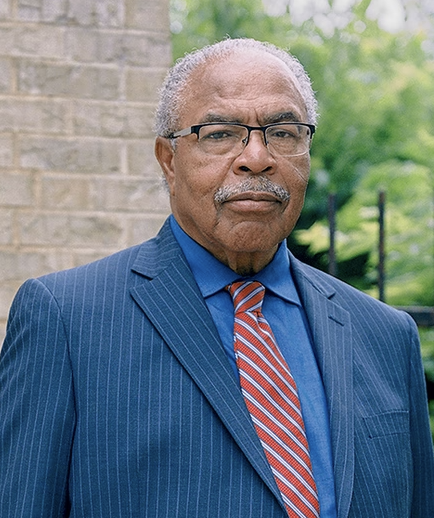
The friendship between Parker and Sims offers a blueprint for navigating our current state of hyper-polarization. In a digital landscape where algorithms often push users into echo chambers, the act of crossing racial and historical lines is a revolutionary form of social bridge-building.
How Grassroots Reconciliation Works
- Active Listening: Moving past defensive postures to understand the lived reality of those impacted by historical policies.
- Institutional Acknowledgement: Moving from personal apology to actively supporting systemic changes that repair historical damage.
- Shared Future Vision: Focusing on the common goal of a more equitable society rather than remaining trapped in the grievances of the past.
The Future of Healing: A Data-Driven Shift
While the emotional impact of such reunions is clear, researchers are also tracking the measurable outcomes of reconciliation programs. According to Pew Research centre, there is an increasing public appetite for honest conversations about slavery and segregation, particularly among younger generations who view historical education as a prerequisite for social progress.
Frequently Asked Questions (FAQ)
- Why is it important for descendants to apologize for ancestors?
- While individuals are not responsible for the crimes of their ancestors, they have a unique power to dismantle the legacies of those crimes by acknowledging the truth and advocating for justice.
- How can I start a conversation about difficult history in my own community?
- Start by hosting local history forums that invite diverse perspectives. Focus on “listening tours” where the primary goal is to learn rather than to debate.
- Can individual friendships really change systemic racism?
- Individual friendships cannot replace policy change, but they create the social capital and public will necessary to support those policy changes.
Join the Movement for Change
Healing a nation is not a top-down process; it begins at the kitchen table, the church pew, and the community centre. By choosing to engage with history—even the parts that hurt—we pave the way for a future defined by empathy rather than animosity.
What are your thoughts on ancestral accountability? Have you found ways to bridge divides in your own community? Share your experiences in the comments below or subscribe to our newsletter for more stories on unity and progress.