
Epstein Files: Europe Faces Consequences, US Largely Doesn’t
A stark contrast is emerging in the fallout from the Jeffrey Epstein scandal: while prominent Europeans are facing professional and, in some cases, legal consequences for their associations with the convicted sex offender, many Americans with similar ties have largely maintained their positions of power. Recent releases of documents related to Epstein’s activities are driving this divergence, prompting investigations and resignations across the Atlantic while leaving a smaller mark on the American political and business landscape.
European Accountability
In the United Kingdom, former Prince Andrew was stripped of his royal titles and removed from royal estate residency following claims – which he denies – of sexual misconduct during visits with Epstein. More recently, with the latest release of files, the former prince is now subject to a police investigation regarding allegations he shared confidential trade information with Epstein in 2010. King Charles III has indicated support for the investigation.
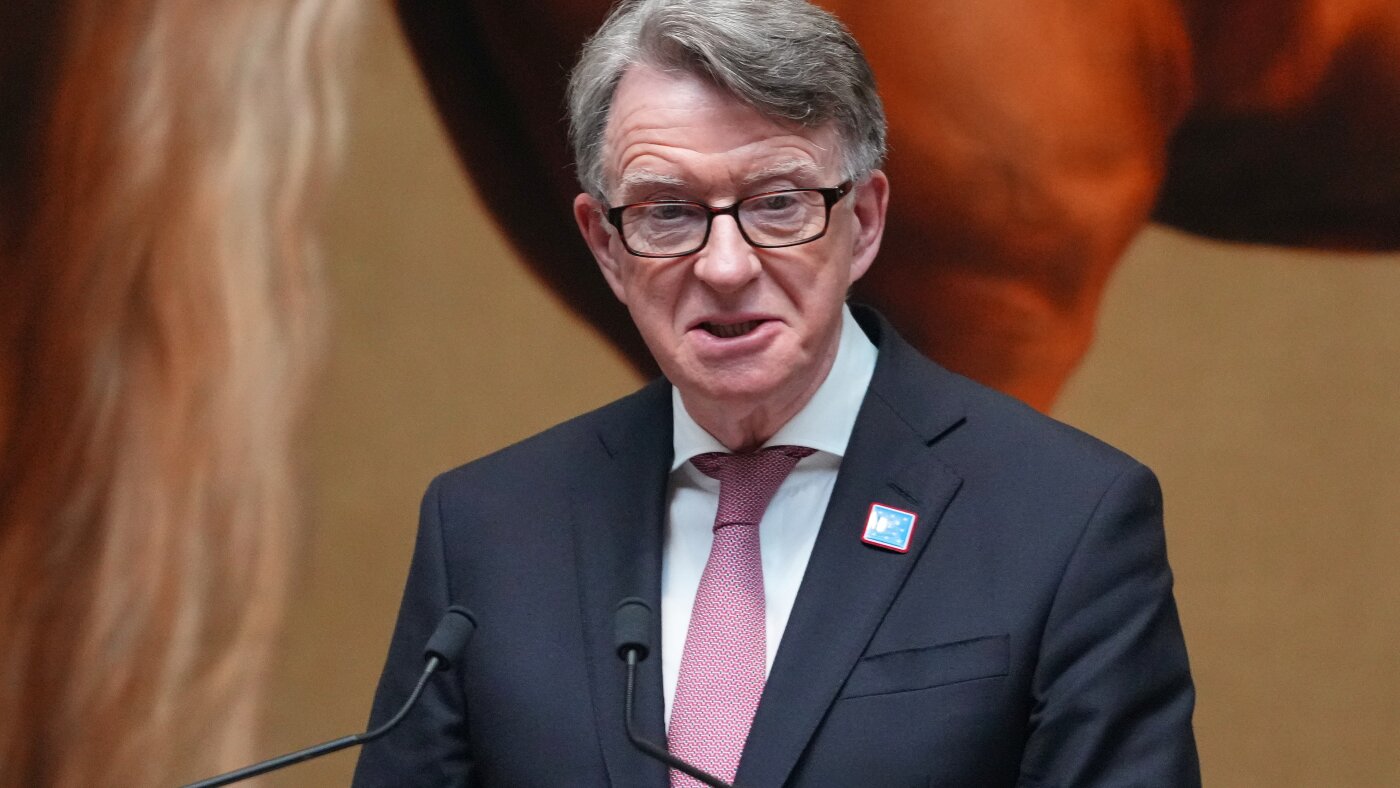
Beyond the royal family, Peter Mandelson, a prominent figure in the Labour Party and formerly Britain’s ambassador to the U.S., was stripped of his ambassadorship in September and resigned from the House of Lords earlier this month. He is now facing a criminal investigation related to alleged payments from Epstein and the sharing of government documents. Prime Minister Keir Starmer apologized to Epstein’s victims, acknowledging a lack of understanding regarding the extent of Mandelson’s relationship with Epstein.
The Role of Political Systems
According to Richard Painter, a professor at the University of Minnesota Law School and former chief ethics lawyer to President George W. Bush, the differing responses stem in part from the nature of political accountability. In parliamentary systems like the UK, leaders are more vulnerable to pressure from both political opponents and members of their own party, and ultimately accountable to the public through elections.
American Responses
In the United States, President Trump, a longtime friend of Epstein’s, appears frequently in the released documents but has consistently denied any wrongdoing. Commerce Secretary Howard Lutnick initially stated he had “very limited interactions” with Epstein, but later acknowledged travelling to Epstein’s private island with his family in 2012. Neither the White House nor the Department of Commerce have publicly commented on these developments.
While some Americans have faced repercussions – Larry Summers stepped away from his teaching position at Harvard, Brad Karp resigned as chair of Paul Weiss, and Kathryn Ruemmler will resign from Goldman Sachs – these instances appear less widespread than the consequences seen in Europe.
Further Investigations and Potential Outcomes
Attorney General Pam Bondi has faced criticism for what some perceive as a selective release of Epstein files, despite legislation mandating a full release. Further scrutiny of the released documents could lead to additional investigations or calls for resignations, but the extent of any future impact remains uncertain. The ongoing investigations in the UK could potentially uncover further details about Prince Andrew’s interactions with Epstein and the sharing of confidential information.
Frequently Asked Questions
What prompted the renewed scrutiny of individuals connected to Jeffrey Epstein?
The latest release of files related to Jeffrey Epstein’s activities prompted renewed scrutiny of individuals connected to him, leading to investigations and resignations, particularly in Europe.
What is the key difference in how Europe and the U.S. Are responding to the Epstein revelations?
European officials and figures are facing more significant consequences, including job losses and criminal investigations, while prominent Americans with ties to Epstein have largely retained their positions of power.
What role does the political system play in the differing responses?
According to Richard Painter, parliamentary systems, like that of the United Kingdom, offer greater accountability to the public and are more susceptible to calls for resignation from political opponents or within a party.
As more details emerge from the Epstein files, will the pressure for accountability increase for those connected to him, and will the differing approaches between Europe and the United States continue to widen?