
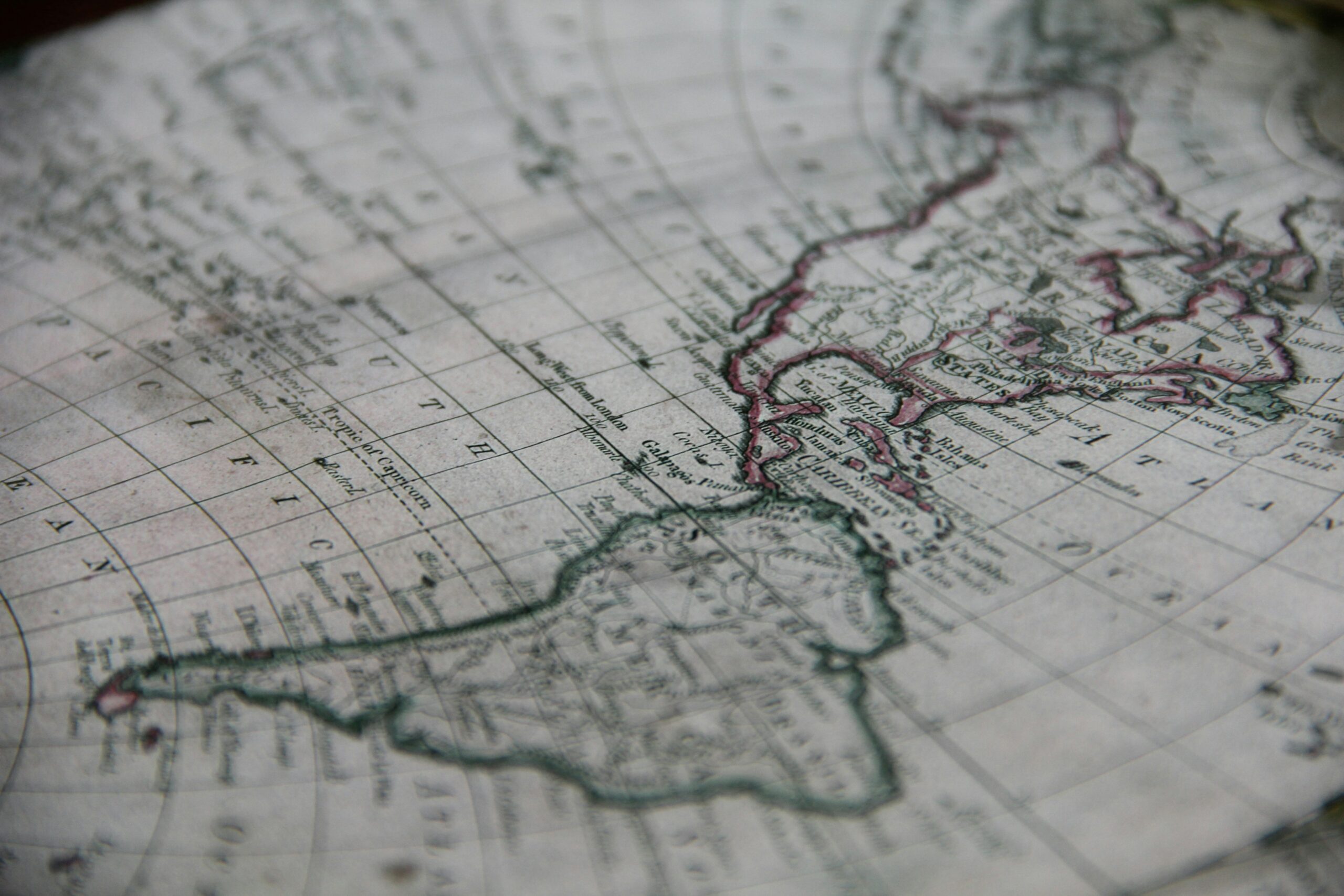
Latin America: The New Geopolitical Battlefield Between US, China, and the Vatican
Latin America has re-emerged as a critical theater for global power competition, with the United States and China vying for influence over regional resources, while the Catholic Church simultaneously promotes an alternative moral framework. According to analyst Riccardo Pennisi, this geopolitical landscape functions as a multidimensional board where regional states seek to transition from passive entities into autonomous “middle powers.”
Francisco de Vitoria, a Dominican friar cited by the Vatican as a model for modern diplomacy, is recognized as one of the founders of international law. He notably established the concept of proportionality in conflicts and argued against the legitimacy of colonial conquest, even when justified by religious motives.
The Geopolitical Tug-of-War
The region is currently defined by a struggle between Washington’s political and financial hegemony and the aspirations of Latin American nations to assert their own strategic autonomy. Pennisi notes that the United States continues to exert pressure through commercial leverage on countries like Brazil and Mexico, while monitoring resource distribution—specifically targeting governments like that of Nicolás Maduro in Venezuela for allegedly directing assets toward China.
This competition extends to the digital and ideological spheres. The administration of Javier Milei in Argentina has opened doors for technology firms like Palantir, while elections across Brazil, Chile, and Colombia reflect a recurring choice between various political ideologies. Analysts expect this tension to persist as the region remains a site for the “battle for souls” between neo-evangelical movements and the Catholic Church.
The Vatican’s Moral Agenda
The Catholic Church, under the current leadership of Pope Francis, is actively positioning itself as an ideological counterweight to the prevailing Western philosophy of power. Pennisi observes that the Church’s current leadership, shaped by experiences among the marginalized in Buenos Aires and Peru, seeks to fill a moral void left by the focus on individualistic and consumerist values.
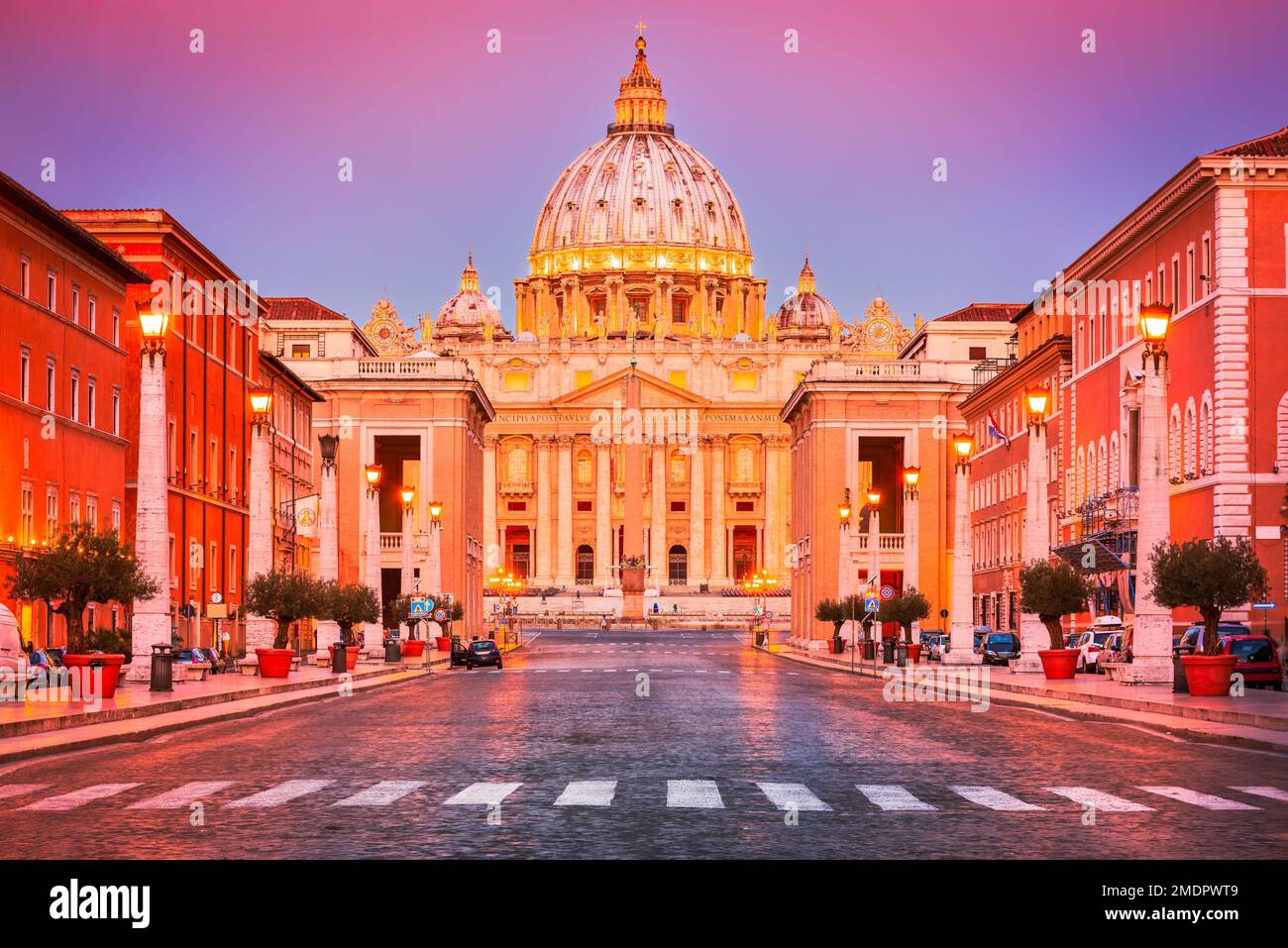
The Vatican’s shift toward a humanistic, “Latin” ethical framework suggests a strategic pivot away from the traditional Cold War-era focus on anti-communism. By aligning its moral authority with the “last of the world” rather than the global elite, the Church is attempting to reclaim relevance in an era where technological and economic power are increasingly concentrated in the hands of a few.
What May Happen Next
The influence of this moral project may face significant hurdles in secularized or politically polarized environments like Spain, where the Church’s message competes with both far-right and progressive political movements. As the global divide between the “first” and “last” of the human class deepens, the Church’s focus on ethical constraints—such as those regarding the legitimacy of colonial-style power—could lead to increased friction with Western leadership that prioritizes technological and economic dominance.
Frequently Asked Questions
What is the primary role of Latin America in the current US-China rivalry?
The region serves as a “third space” for competition, providing essential resources and markets where global powers vie for influence without engaging in direct, large-scale conflict.
Why is the Vatican taking a political stance in this region?
The Church is seeking to address what it perceives as a moral void in global leadership, promoting an universalist, humanistic ethics that opposes the individualistic and power-centric tendencies of current global leaders.
How does the Church propose changing the international approach to power?
Through figures like Robert Francis Prevost, the Church advocates for recovering historical concepts of international law, specifically proportionality in conflict and the illegitimacy of colonial expansion, to challenge modern power dynamics.
How do you think the intersection of moral leadership and geopolitical power will shape the future of diplomatic relations?