
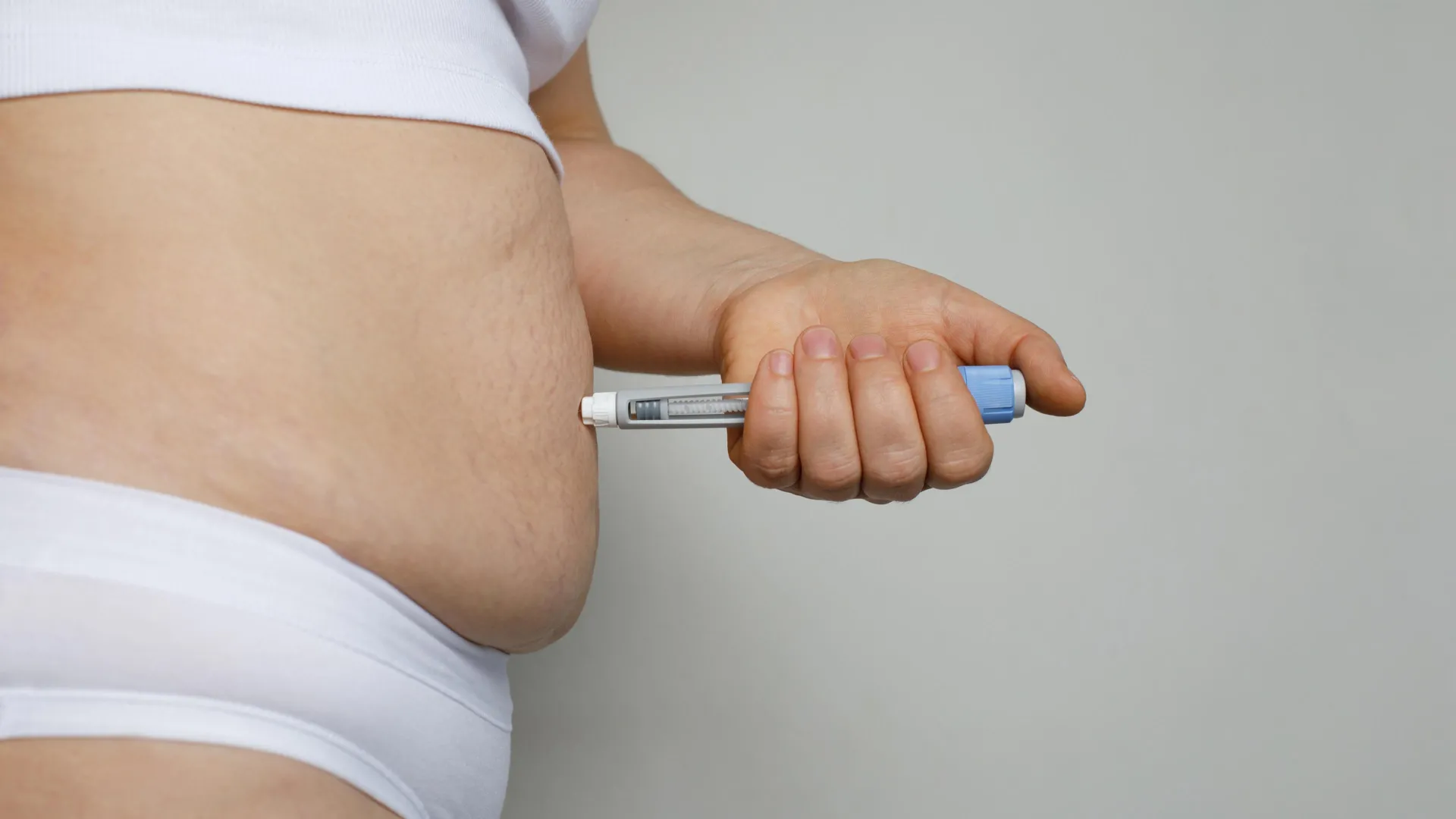
People taking GLP-1 weight loss drugs like Ozempic started moving less
Patients who utilize GLP-1 receptor agonists for weight loss experience a measurable decrease in physical activity, according to research presented Saturday at ENDO 2026 in Chicago. While these medications, which include Ozempic, Wegovy, Mounjaro, and Zepbound, are effective for shedding weight, clinical data indicates they do not inherently lead to more active lifestyles. Instead, study participants showed a decline in both daily step counts and time spent in moderate-to-vigorous physical activity.
This research marks the first large-scale study to utilize wearable fitness tracker data from the National Institutes of Health’s All of Us Research Program to evaluate how physical activity patterns shift after starting GLP-1 receptor agonist treatment.
How Physical Activity Declines During Treatment
Researchers analyzed data from 753 adults who transitioned to GLP-1 medications, tracking their movement patterns via Fitbit devices. The findings revealed that average daily step counts dropped from 5,047 to 4,487 steps per day following the start of the medication. Furthermore, time dedicated to moderate-to-vigorous physical activity (MVPA) decreased from 28 minutes to 22 minutes daily.
The study, which included a participant pool that was 78.6% female with an average age of 52.7 years, noted that the decline in movement was most pronounced among men and individuals reporting muscle or joint pain. Pre-existing conditions such as heart failure or a history of stroke did not alter the downward trend in activity levels.
The data suggests a critical trade-off in obesity management. Because these drugs can reduce lean muscle mass alongside body fat, the observed drop in activity could compound the risk of muscle loss. If patients become increasingly sedentary while on these medications, the long-term impact on physical strength and overall health may require more intentional, structured exercise interventions to counter the natural physiological response to weight loss.
Why Muscle Health Remains a Priority
According to study leader Sajana Maharjan, M.D., of HSHS St. John’s Hospital, protecting muscle mass is a fundamental component of healthy weight loss. The class of drugs studied—which includes semaglutide, tirzepatide, liraglutide, and dulaglutide—is highly effective at reducing weight, but that weight loss is not limited to fat stores. Without consistent physical activity, the reduction in lean muscle mass may accelerate, which makes exercise an essential, rather than optional, part of a patient’s health strategy.
What May Happen Next for Patients
As these findings gain visibility, healthcare providers may shift their focus toward integrating targeted physical activity programs directly into obesity treatment plans. Because the data suggests that patients do not naturally increase movement as they lose weight, future clinical approaches may move away from assuming weight loss will resolve sedentary behavior. Instead, medical professionals may begin to prescribe specific exercise routines to be used in tandem with GLP-1 medications to mitigate the risk of muscle loss and ensure that improvements in body weight are supported by improvements in physical fitness.

Frequently Asked Questions
Which medications were included in this study?
The study examined GLP-1 receptor agonists, specifically semaglutide (Ozempic and Wegovy), tirzepatide (Mounjaro and Zepbound), liraglutide, and dulaglutide.
Did patients become more active as they lost weight?
No. Researchers found no evidence that weight loss from these medications led to increased physical activity; in fact, the data showed a clear decline in movement after treatment began.
Who experienced the largest decline in physical activity?
The most significant decreases in movement were observed in men and in participants who reported experiencing joint or muscle pain.
How do you balance your current activity levels with your long-term health goals?