

Erasmus MC Pioneers Virtual Ward for Remote Patient Monitoring and Care
Erasmus MC patients are increasingly receiving hospital-level care at home through a “virtual ward,” a program that allows for remote monitoring and recovery in a familiar environment. By utilizing digital health tracking and home-based support, the hospital aims to improve patient outcomes while simultaneously increasing bed capacity for those requiring acute, in-hospital care.
Origins of the Virtual Ward
The virtual ward model emerged as a necessity during the coronavirus pandemic. As hospitals faced record patient volumes, the medical staff at Erasmus MC began experimenting with technical solutions—including remote monitoring, video consultations, and home-based medication administration—to safely discharge patients earlier.
According to intensive care physician Michael van Herwerden, what began as an emergency measure has evolved into a permanent innovation. The initiative is designed to organize healthcare more efficiently, ensuring that patients remain under medical supervision even when they are physically at home.
Did You Know? The Dutch implementation of the virtual ward was inspired by a 2021 study trip to England, where healthcare professionals and administrators from the Amsterdam region observed how remote care could keep patients out of hospital beds.
How the Virtual Ward Operates
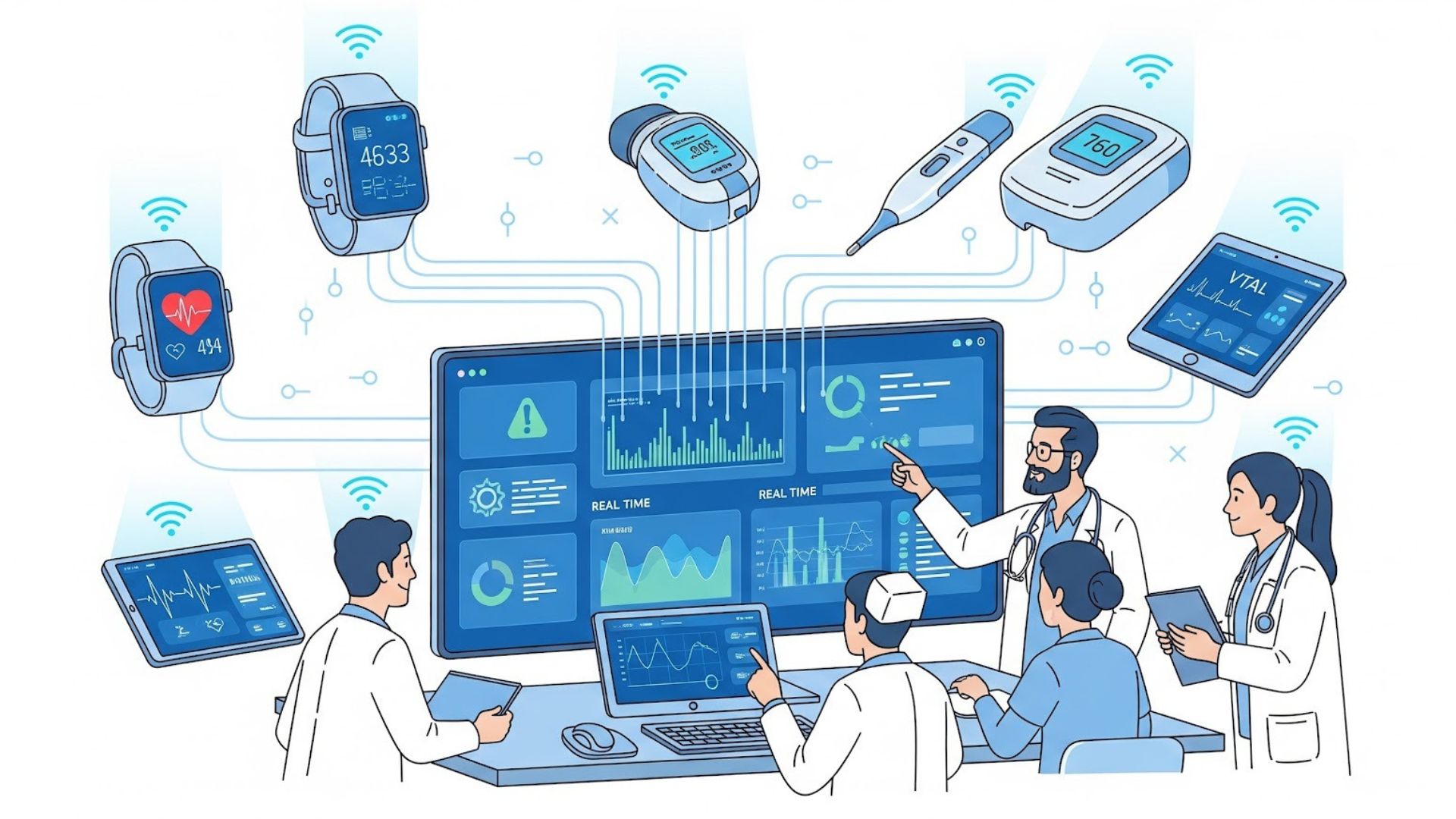
Patients enrolled in the virtual ward remain officially admitted to the hospital, despite recovering in their own homes. Erasmus MC provides the necessary equipment for patients to measure vital signs, such as blood pressure, weight, temperature, and oxygen levels.
These data points are shared digitally, allowing doctors and nurses to conduct daily virtual rounds. For tasks requiring physical presence, such as blood draws or intravenous antibiotic administration, the hospital coordinates with regional laboratories and home care organizations. Once the treatment concludes, the monitoring equipment is returned to the hospital.
Treatment Applications and Future Development
The program is currently in its development phase, with researchers evaluating which patient groups benefit most from the remote model. Erasmus MC has identified clear potential in treating infections and post-operative care.
For example, transplant patients dealing with recurring infections can sometimes receive intravenous antibiotics at home. Similarly, patients recovering from surgery for a benign pituitary tumor may be discharged sooner. These patients are closely monitored for hormone, salt, and fluid balance issues, which are critical following such procedures.
Expert Insight: Samantha Carter notes that the transition to virtual wards represents a fundamental shift in hospital logistics. While the model offers clear benefits for bed capacity and patient comfort, its success relies heavily on the integration of digital infrastructure and seamless collaboration between hospital specialists, home care providers, and regional laboratories.
Participation and Safety Standards
Participation in the virtual ward is entirely voluntary. Only patients whose recovery is progressing well, who are not expected to face complications, and who reside within a reasonable distance of the hospital are eligible for the program.
The model requires significant coordination between healthcare professionals. Since doctors and nurses remain responsible for the patients, clear communication and rigorous clinical agreements are necessary to maintain the quality of care outside the hospital walls.
What May Happen Next
Erasmus MC is expected to continue its scientific research into the virtual ward, focusing on long-term safety and the identification of new patient cohorts suitable for remote treatment. As the program matures, analysts expect the hospital to further standardize the collaboration between digital care teams and regional health partners. Should the current trials prove successful, it is likely that the hospital will expand the scope of treatments available for home-based delivery, further reducing the reliance on physical hospital beds for stable patients.
Frequently Asked Questions
Is the virtual ward mandatory for recovering patients?
No, participation is voluntary. Patients who prefer to recover within the hospital walls have the option to do so.
How do doctors monitor patients at home?
Patients use medical equipment provided by the hospital to measure vital signs like blood pressure and oxygen levels, which are then transmitted digitally for daily review by medical staff.
Who is eligible for the virtual ward?
Eligibility is limited to patients who are recovering well, are not at risk for complications, and live within a reasonable distance of the hospital.
Would you feel comfortable recovering from a surgical procedure at home if you were monitored by your hospital’s digital care team?