
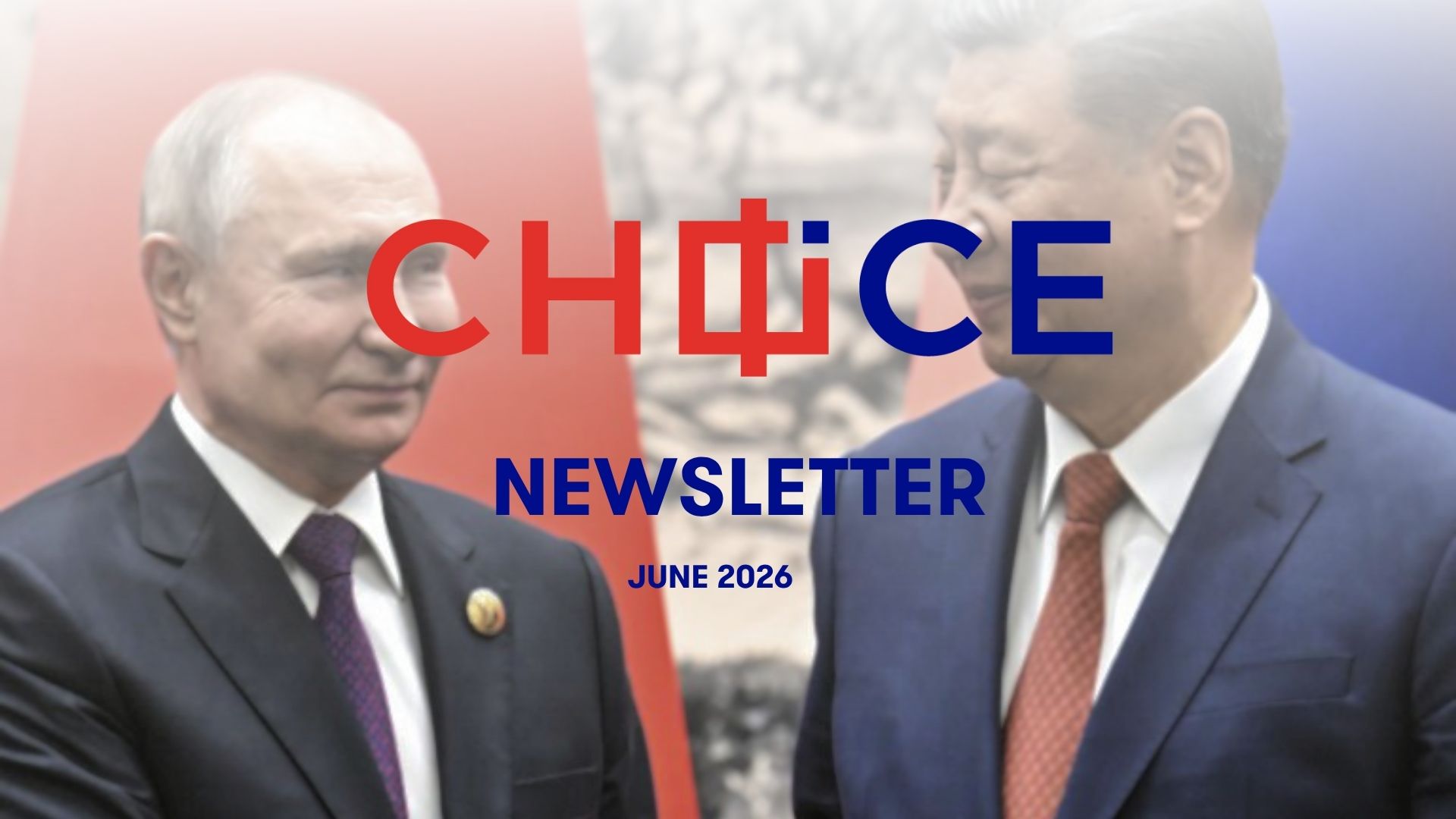
EU-China Relations: Industrial Risks and Strategic Security Challenges
The Great Decoupling: Why Europe’s Industrial Future Depends on China
Europe stands at a precarious crossroads. For decades, the European Union operated under the assumption that deep economic integration with China would naturally lead to mutual stability. Today, that assumption has fractured. With a staggering trade deficit approaching €360 billion, the continent is waking up to a reality where industrial dependency has morphed into a strategic vulnerability.
The “China shock 2.0” is not merely a boardroom concern for Western industrial giants; it is a systemic threat to the manufacturing heartlands of Central and Eastern Europe (CEE). As supply chains tighten and geopolitical tensions flare, Europe is forced to choose between the convenience of cheap imports and the necessity of industrial sovereignty.
The Security Nexus: From Trade to Warfare
The debate has shifted from simple trade balances to national security. China’s manufacturing dominance is now inextricably linked to the war in Ukraine. By providing Russia with critical electronics, dual-use machinery, and industrial components, Beijing is effectively sustaining Moscow’s war machine.
This “civil-military fusion” means that every solar panel, battery, or semiconductor component Europe imports from China carries a hidden price tag. When European manufacturers rely on Chinese supply chains, they are often unknowingly feeding the very ecosystem that supports Russia’s military efforts. This isn’t just an economic trade-off—it is a security dilemma that Brussels can no longer ignore.
Despite increased sanctions and stricter export controls, Chinese exports of dual-use goods to Russia have remained consistently above pre-war levels. This resilience underscores the difficulty of decoupling from a globalized manufacturing giant.
The German Dilemma and the Future of EU Policy
At the center of this storm is Germany. As the engine of the European economy, Berlin’s posture dictates the speed of the EU’s response. Historically, German industrial champions have been deeply entrenched in the Chinese market, creating a “wait-and-see” approach that has frustrated more hawkish member states.
However, the tide is turning. With two million manufacturing jobs lost across Europe since 2019, the political pressure to protect domestic capacity is mounting. Berlin is now signaling a willingness to discuss robust trade defenses—including measures to curb Chinese overcapacity in critical sectors like chemicals, metals, and clean technology.
Scaling the Defense: Beyond Telecoms
The EU’s current cybersecurity framework, while effective for telecoms, is insufficient for the modern threat landscape. Connected vehicles, green energy infrastructure, and port facilities remain largely exposed to the risks of deep-seated dependency on foreign technology.
Pro Tip: To build true strategic autonomy, Europe must look beyond just “de-risking” specific companies. It requires a systemic overhaul of supply chain risk assessments that account for the entire lifecycle of critical infrastructure, from raw material extraction to final software integration.
Frequently Asked Questions
- What is the “China shock 2.0”?
- It refers to the current phase where China’s rapid expansion in high-tech and green manufacturing creates immense price pressure on European industries, threatening jobs and long-term industrial capacity.
- How does China support Russia’s war economy?
- China provides critical dual-use goods, such as microelectronics, specialized machine tools, and industrial equipment, which allow Russia to maintain production despite Western sanctions.
- Is decoupling from China realistic for Europe?
- Full decoupling is likely impossible due to the depth of current supply chain integration. Instead, the EU is pursuing “de-risking”—diversifying suppliers and reducing dependencies in critical sectors like semiconductors and green energy.
The Path Forward: Industrial Policy as Security Policy
The path toward a more resilient Europe lies in the fusion of industrial and security policy. The European Commission is moving toward a strategy of systematic sectoral safeguards, moving away from reactive, company-specific measures. This shift acknowledges that in a world of weaponized interdependence, economic policy is, by definition, foreign policy.
For businesses and policymakers alike, the lesson is clear: the era of frictionless global trade is behind us. Success in the coming decade will belong to those who can balance the benefits of global markets with the ironclad necessity of regional self-reliance.
What are your thoughts on Europe’s trade strategy? Is the EU moving fast enough to protect its industrial base, or is the risk of over-regulation too high? Join the conversation in the comments below or subscribe to our weekly intelligence newsletter for deeper analysis on the shifting geopolitical landscape.