

EU Rulings Drive Stabilization of Interim Public Workers in Spain
Lawyer Javier Araúz stated Wednesday in Zaragoza that Spain faces a potential million-euro European Union fine by the 29th of this month for failing to sanction the abusive use of temporary public contracts. Speaking at a STEPA union event, Araúz argued that only a state law can stabilize the nearly one million affected interim workers nationwide.
Why is the European Union threatening fines against Spain?
The European Union may advance sanctions because Spain lacks measures that comply with EU law to penalize the abusive use of temporary contracts in the public sector. According to Araúz, the Court of Justice of the European Union (CJEU) issued this determination in April.
Following the CJEU ruling, the Spanish Supreme Court ruled in May that the administration responsible for the abuse must be penalized. Araúz noted that while some minimum stability now exists for those who passed a selection process without gaining a permanent spot, the European Commission considers these measures insufficient.
How does the “abuse of temporality” affect Aragon?
The Government of Aragon (DGA) is one of the “key offenders” in the region, according to Araúz. STEPA union calculations indicate that approximately 20,000 workers—one third of the total DGA workforce—are in a situation of contractual abuse.
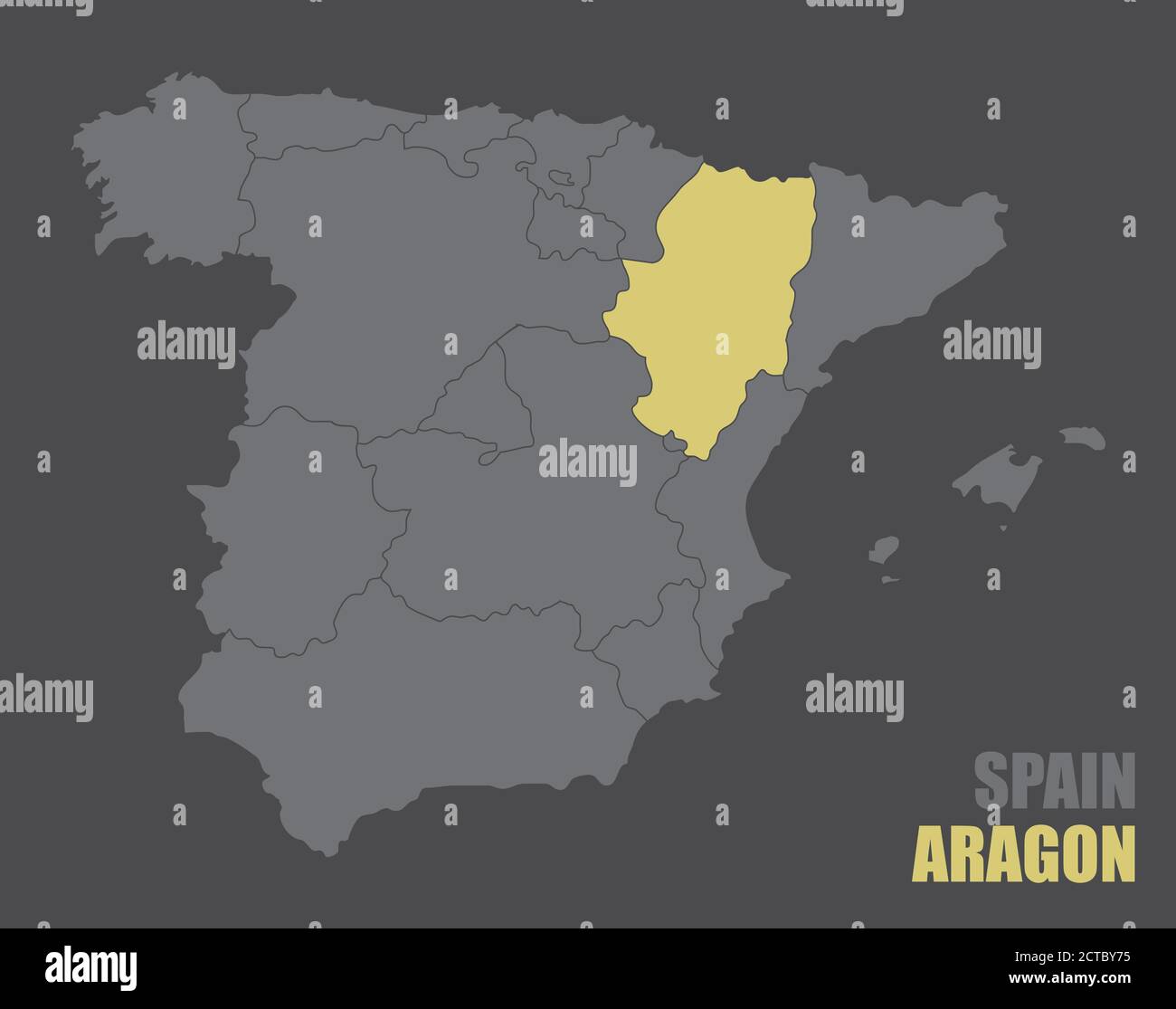
Araúz’s law firm is currently handling about 2,000 claims and lawsuits from victims of this practice within Aragon. He contrasted the DGA’s approach with local Aragonese administrations, which he claims have better understood that stability is a fundamental right for workers.
While the High Court of Justice of Aragon recognizes the existence of this abuse, Araúz noted that the court does not apply any consequences to that situation.
What could happen next for interim workers?
Araúz argues that a state law is the only logical solution to stabilize personnel in reasonable terms. He claims such a measure is long overdue, citing a 25-year delay in addressing the issue.

If a state law is not implemented, Spain could face escalating financial penalties from the EU. Affected workers may also continue to file lawsuits, a path Araúz encourages as the primary method for achieving results and “breaking down walls.”
The stabilization of these workers could potentially reduce temporary employment across the public sector, bringing Spain into alignment with European requirements.
Frequently Asked Questions
How many public employees in Spain are estimated to be affected by temporary contract abuse?
Interim platforms estimate that nearly one million workers across Spain are affected.
What is the specific situation regarding the DGA workforce?
According to STEPA, approximately 20,000 workers, representing one third of the DGA staff, are facing the abuse of temporary contracts.
What did the Spanish Supreme Court decide in May?
The Supreme Court ruled on the application of the CJEU sentence, highlighting that the administration responsible for the abuse of temporary contracts must be penalized.
Do you believe professional experience should carry the same weight as a competitive exam for permanent public employment?