
European Weather Forecast: Heatwave Hits Benelux and UK
The Rise of the “Heat Dome”: Why Europe is Warming Up Earlier
For decades, the arrival of summer in Europe was a gradual transition. However, we are increasingly witnessing a phenomenon known as the “heat dome”—a persistent area of high pressure that traps heat over a region, acting like a lid on a pot. When this happens, air is pushed downward, compressing and warming further, leading to the kind of scorching May temperatures we are seeing across the Benelux, France, and the UK.

These systems aren’t just random spikes in temperature; they are often the result of a “blocked” atmospheric pattern. When the jet stream—the high-altitude river of air that usually steers weather systems from west to east—becomes wavy or stalls, it allows these high-pressure ridges to park themselves over Europe for days or even weeks.
The Urban Heat Island Effect: Why Your City Feels Hotter
You may have noticed that while the countryside feels warm, the city feels oppressive. This is the “Urban Heat Island” (UHI) effect. In metropolitan hubs like London, Paris, or Amsterdam, concrete and asphalt absorb solar radiation during the day and release it slowly at night.
This prevents cities from cooling down, often pushing local temperatures 3°C to 5°C higher than surrounding rural areas. When a regional heatwave hits, the UHI effect can push a “warm” day into “dangerously hot” territory, making air conditioning and urban green spaces essential for public health.
For more on how city planning is evolving to fight this, check out our guide on sustainable urban cooling strategies.
The Volatility Cycle: From Heatwaves to Cold Fronts
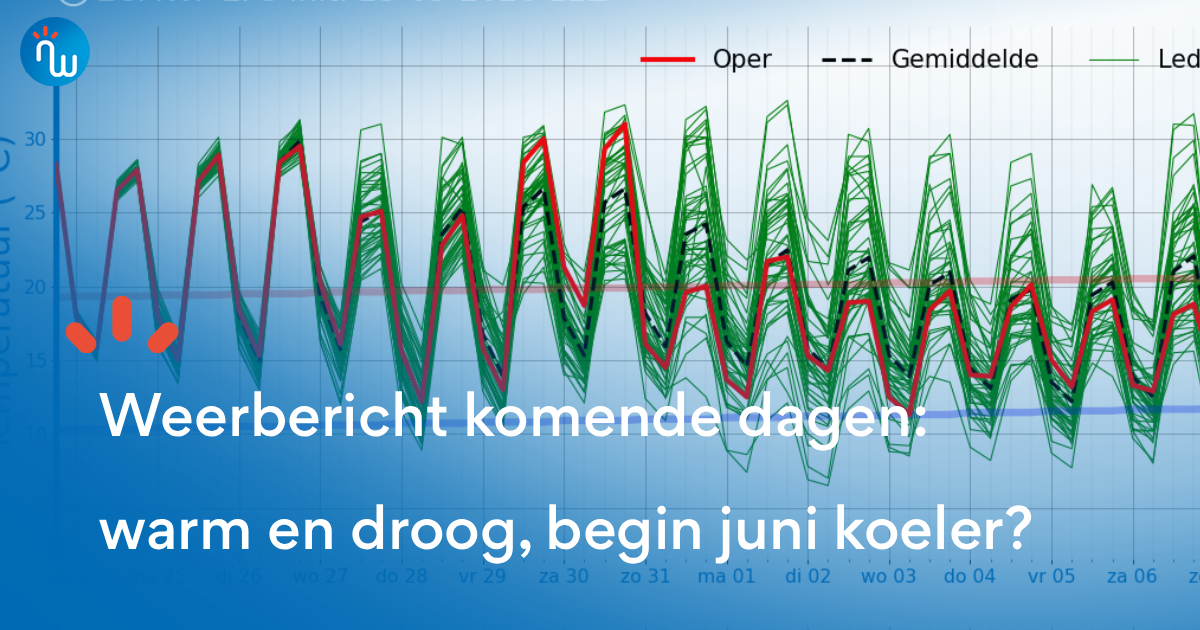
One of the most challenging aspects of modern European weather is the volatility. We often see a sequence where intense heat is abruptly interrupted by a “weak cold front” or a surge of maritime air from the North Sea. This creates a weather rollercoaster: 30°C on Tuesday, 16°C on Wednesday, and back to 25°C by Friday.
This instability is a hallmark of a changing climate. As the Arctic warms faster than the equator (a process called Arctic Amplification), the temperature gradient that fuels the jet stream weakens, making the stream more prone to meandering. This results in “stuck” weather patterns—either extreme heat or unexpected cold snaps.
Are Early Heatwaves the New Normal?
Looking at the long-term data from sources like the Copernicus Climate Change Service, the trend is clear: the “shoulder seasons” (Spring and Autumn) are extending. May is increasingly behaving like June, and October is starting to feel like September.
This shift has significant implications for agriculture and ecology. Early heatwaves can trick plants into blooming prematurely, leaving them vulnerable to late-season frosts. For humans, it means the “summer stress” on our infrastructure—from power grids to transport rails—begins weeks earlier than it did thirty years ago.
Managing Your Health in a Warming Climate
As we face more frequent “above normal” temperature deviations, adapting our habits is key. High UV indices are no longer just a July concern; they are now a May reality. Experts recommend a three-pronged approach to survive these early spikes:
- Hydration over Caffeine: Avoid diuretics like coffee during heat domes; stick to water and electrolytes.
- Strategic Ventilation: Close curtains and windows during the peak heat (12 PM – 4 PM) and ventilate only after the sun sets.
- UV Protection: Apply broad-spectrum SPF even on “hazy” days, as high-pressure systems often clear the air, increasing UV penetration.
Frequently Asked Questions
What exactly is a heat dome?
A heat dome occurs when a strong high-pressure system traps warm air over a large area, compressing it and causing temperatures to rise significantly above average.
Why does the wind direction change the temperature so quickly in the Benelux?
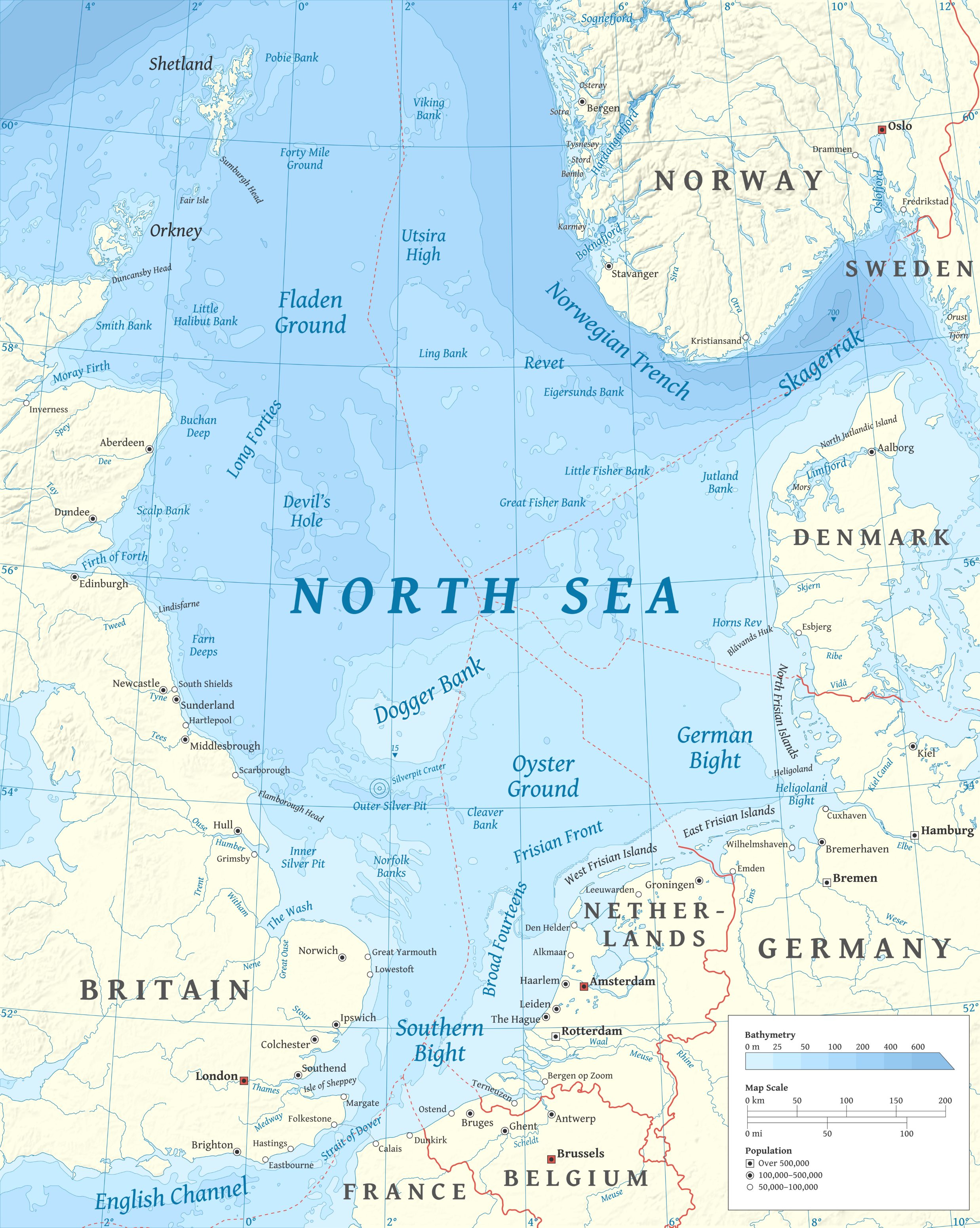
Because of the proximity to the sea. A shift from a southerly wind (bringing air from Africa/Spain) to a northerly wind (bringing air from the North Sea) can drop temperatures by 10°C in a matter of hours.
Is this related to climate change?
Yes. While individual weather events are natural, the increased frequency, intensity, and earlier onset of these heatwaves are strongly linked to global warming and the destabilization of the jet stream.
Join the Conversation
Are you noticing your summers starting earlier? Do you have a secret tip for keeping your home cool without blasting the AC?
Share your thoughts in the comments below or subscribe to our newsletter for weekly climate insights!