
Five Eyes Warns China-Linked Spies Are Using Job Boards for Espionage
The Gig Economy’s Dark Side: When Your Side Hustle Becomes Espionage
For decades, the image of a foreign spy involved clandestine meetings in rainy parks or high-stakes honeytraps in luxury hotels. But the modern intelligence landscape has shifted. Today, the recruitment center for international espionage isn’t a dead-drop location—it’s a LinkedIn profile, an Indeed posting, or an Upwork contract.
A recent warning from the “Five Eyes” intelligence alliance reveals a chilling trend: state-sponsored actors are leveraging the gig economy to trick professionals into leaking secrets. What starts as a harmless freelance consulting gig for a few hundred dollars can quickly spiral into a federal crime.
The ‘Salami Slicing’ Method of Data Theft
The most dangerous part of these operations isn’t the request for a “Top Secret” document. In fact, the most successful recruits are often those who believe they aren’t doing anything wrong. This represents a strategy often referred to as the Mosaic Theory.
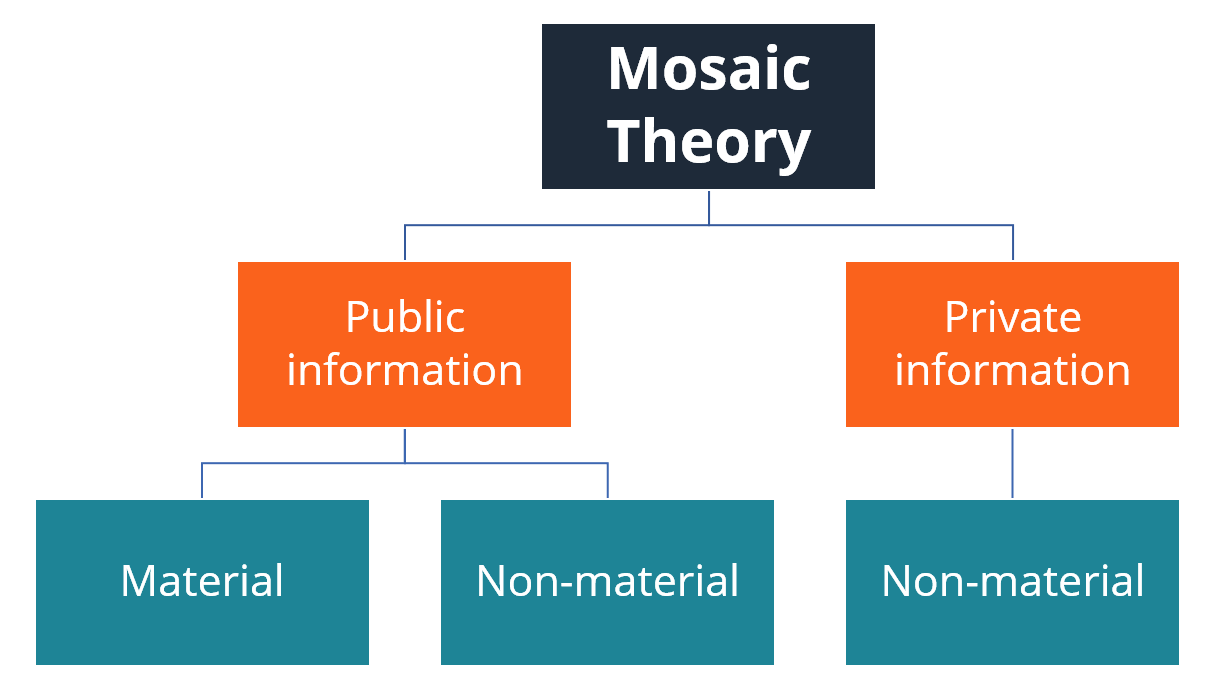
Intelligence agencies don’t always need one big secret. Instead, they collect thousands of “unclassified” pieces of information—a report on trade routes here, a white paper on military logistics there, a brief on regional diplomatic tensions. Individually, these pieces are harmless. Combined, they form a high-resolution operational picture of a nation’s vulnerabilities.
By targeting academics, think-tank employees, and freelance writers, foreign operatives can build a comprehensive database without ever triggering a security alarm. You might think you’re just writing a boring essay on Indo-Pacific trade for $500, but you’re actually providing the final piece of a strategic puzzle.
The Escalation Ladder: From Freelancer to Asset
The recruitment process follows a predictable, psychological pattern designed to create dependency:

- The Hook: A professional-looking job posting for a “Foreign Policy Analyst” or “defence Consultant” from a fake company.
- The Vetting: An interview process that feels legitimate, designed to gauge your level of access, and expertise.
- The ‘Low-Stakes’ Task: You are paid for a mundane, unclassified report. This establishes trust and a financial habit.
- The Pivot: The client asks for something “slightly more detailed” and requests a move to an encrypted app like Signal or Telegram.
- The Trap: Once you’ve crossed the line into sharing sensitive (even if not classified) data, the operative has leverage over you. The “paychecks” continue, but the requests become “sketchier.”
The AI Factor: Scaling the Recruitment Machine
Looking ahead, the integration of Generative AI will make these operations nearly impossible to detect via traditional means. In the past, a spy’s “cover” might be given away by poor grammar or a mismatched cultural tone in an email.
Now, Large Language Models (LLMs) allow operatives to create perfectly tailored, culturally nuanced personas. AI can scrape your entire professional history from LinkedIn to craft a job offer that feels like a “dream role” specifically designed for your skill set.
We are entering an era of Hyper-Personalized Recruitment. Instead of casting a wide net, AI will identify the exact individuals who are financially stressed or professionally overlooked, making them prime targets for “gig-based” espionage.
The Economic Vulnerability Gap
There is a sobering reality at the heart of this issue: national security is tied to the cost of living. When highly skilled analysts and government contractors find their salaries stagnating while inflation rises, the lure of a “side hustle” becomes irresistible.
The Five Eyes report highlights a depressing contrast. While legendary moles like Robert Hanssen were paid millions, today’s “gig spies” are often lured in for a few thousand dollars. This suggests that state actors are no longer looking for high-level double agents alone; they are crowdsourcing intelligence from a desperate middle class.
If the people guarding the secrets cannot afford their mortgages, the “human firewall” is effectively broken. The future of counter-intelligence may depend less on better software and more on competitive pay scales for civil servants.
How to Protect Your Professional Reputation
To avoid becoming an unwitting asset, professionals in sensitive fields should adopt a “Zero Trust” approach to online recruitment:

- Verify the Entity: Don’t trust a polished website. Check corporate registries and look for a physical presence and a verifiable track record.
- Audit the Request: If a “consulting” task asks for specific internal processes or non-public strategic insights, stop immediately.
- Report the Contact: If you suspect a recruitment attempt, contact your agency’s security officer or the FBI.
Frequently Asked Questions
Q: Can I be prosecuted if I didn’t know I was spying?
A: Yes. “Willful blindness” or negligence in handling sensitive information can still lead to the loss of security clearances, termination of employment, and in some cases, criminal charges.
Q: Why would a foreign government use Upwork instead of traditional spying?
A: It provides “plausible deniability.” It allows them to hide in plain sight among millions of legitimate freelancers and avoids the need for risky physical operations.
Q: What is the most common red flag in these job offers?
A: A request to move communication off the official platform to an encrypted app, combined with a payment that seems slightly too high for the “mundane” work requested.
Join the Conversation
Have you ever encountered a suspicious job offer that felt “too good to be true”? Or do you think government pay needs a drastic overhaul to prevent these risks?
Let us know in the comments below or subscribe to our newsletter for more deep dives into the intersection of technology and security.