
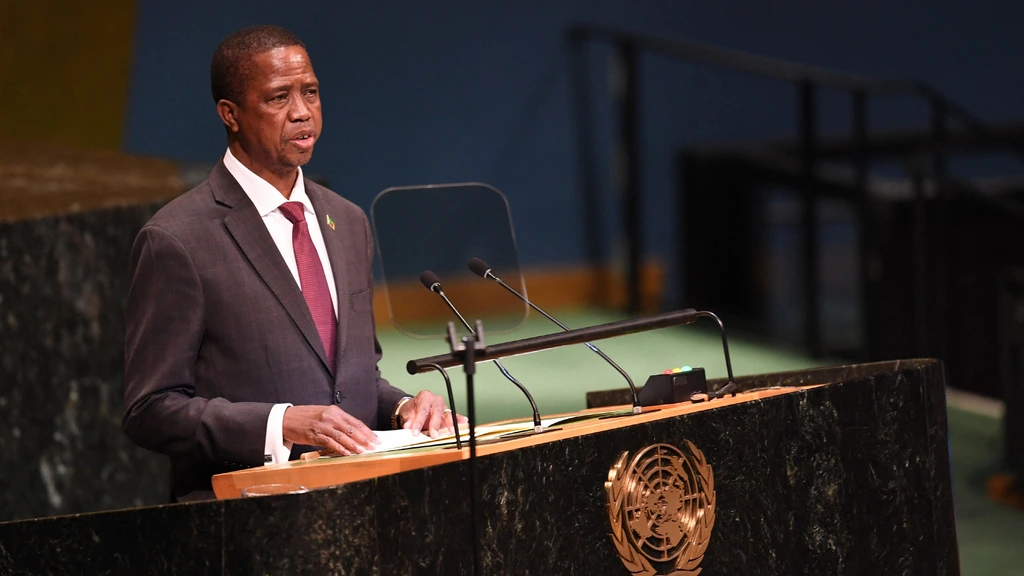
Former Zambian President Edgar Lungu to be Buried in South Africa
A Johannesburg court has ruled that the remains of former Zambian President Edgar Lungu will be buried in South Africa, prioritizing family wishes over the Zambian government’s demand for repatriation. According to NOS Nieuws, the ruling ends a year-long legal battle and confirms that family preferences outweigh state interests under South African law.
Why did the court favor the family over the state?
The higher court in Johannesburg overturned a previous ruling that had initially sided with the Zambian government. The lower court had argued that the “public interest” of returning a former head of state to his home country took precedence over the family’s desires.

However, the higher court found no legal basis under South African law to deviate from the wishes of the next of kin. NOS Nieuws reports that the South African government had already expressed a willingness to respect the family’s choice, even while suggesting a state funeral would have been the most appropriate path.
How do political rivalries shape post-mortem diplomacy?
The dispute over Lungu’s body wasn’t just about geography; it was about political legacy. Lungu died last June at age 68 during a medical visit to South Africa. He had been out of office since 2021, when he lost the presidency to his rival, Hakainde Hichilema.
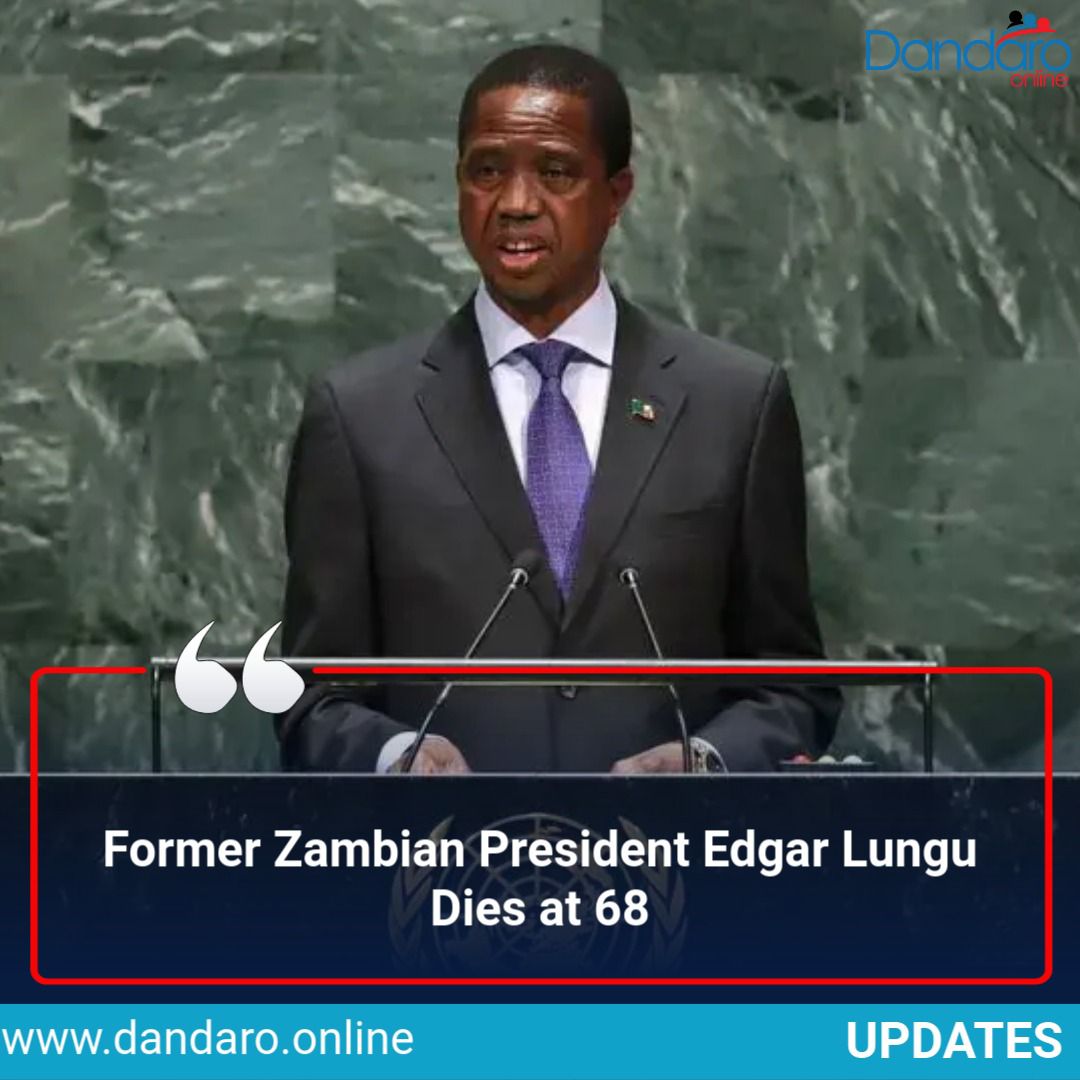
According to NOS Nieuws, Lungu’s family fought the repatriation because the former president explicitly did not want Hichilema to have any role in his funeral proceedings. This creates a stark contrast between the state’s desire for a unified national symbol at the Embassy Memorial Park and the family’s desire to protect the deceased from a political opponent.
The tension between national identity and individual autonomy
Governments often view the bodies of former leaders as state property or national symbols. By demanding repatriation, Zambia sought to maintain the tradition of its presidential mausoleum. The family, however, treated the burial as a private matter of autonomy.
This case highlights a growing trend where the private wishes of a leader’s estate clash with the “public interest” claims of a successor government. When a leader dies in a foreign jurisdiction, the laws of the host country—in this case, South Africa—become the deciding factor over the diplomatic requests of the home country.
What does this mean for future repatriation disputes?
This ruling establishes a clear precedent in South African courts: the rights of the family are paramount. If other former heads of state die in South Africa under contentious political circumstances, the state’s claim to a “national burial” may not hold up against the family’s legal standing.

The legal struggle lasted over a year, during which a judge briefly banned the funeral to resolve the conflict. The fact that Zambia has decided not to appeal the higher court’s decision suggests an acceptance of the legal boundary between state protocol and private law.
Frequently Asked Questions
Who was Edgar Lungu?
Edgar Lungu is a former President of Zambia who served until he was defeated by Hakainde Hichilema in the 2021 elections.
Why did Zambia want the body repatriated?
The Zambian government wanted Lungu to be buried in the Embassy Memorial Park in Lusaka, where all presidents since 1964 are interred.
Why did the family oppose the move?
The family stated that Lungu did not want his political rival, President Hichilema, to be involved in his funeral.
Which court made the final decision?
A higher court in Johannesburg ruled in favor of the family, stating that South African law protects the wishes of the next of kin.
What do you think? Should a former leader’s body belong to the state or the family? Let us know in the comments below or subscribe to our newsletter for more updates on international legal precedents.