

iOS 27: Apple Adds Customizable Equalizer for AirPods
Apple is introducing a graphic equalizer for AirPods in iOS 27, according to announcements from the latest WWDC. This update allows users to manually adjust bass, mid-range, and treble frequencies or select Apple-recommended profiles, marking a shift from the company’s previous strategy of relying solely on internal sound engineering presets.
How does the new AirPods equalizer work in iOS 27?
The upcoming iOS 27 update will integrate a graphic equalizer directly into the system settings for AirPods. According to a demonstration animation shown during WWDC, users can choose between creating a fully personalized equalization profile or selecting presets recommended by Apple.
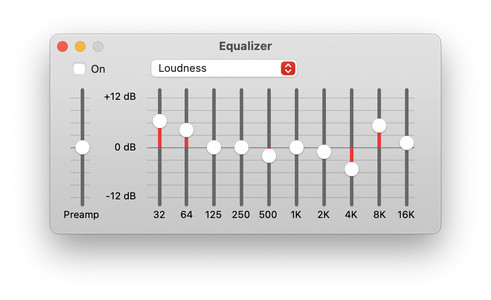
The tool focuses on three primary pillars of sound: bass, mids, and treble. While Apple has not yet disclosed the specific degree of precision or the number of frequency bands available, the animation confirms a visual interface for real-time adjustments.
Why is Apple shifting toward user-controlled audio?
For years, Apple maintained that its sound engineers designed AirPods to deliver the optimal audio experience out of the box. This philosophy limited user customization; until now, AirPods users could only modify sound profiles within Apple Music, and even then, they were restricted to a few predefined presets.
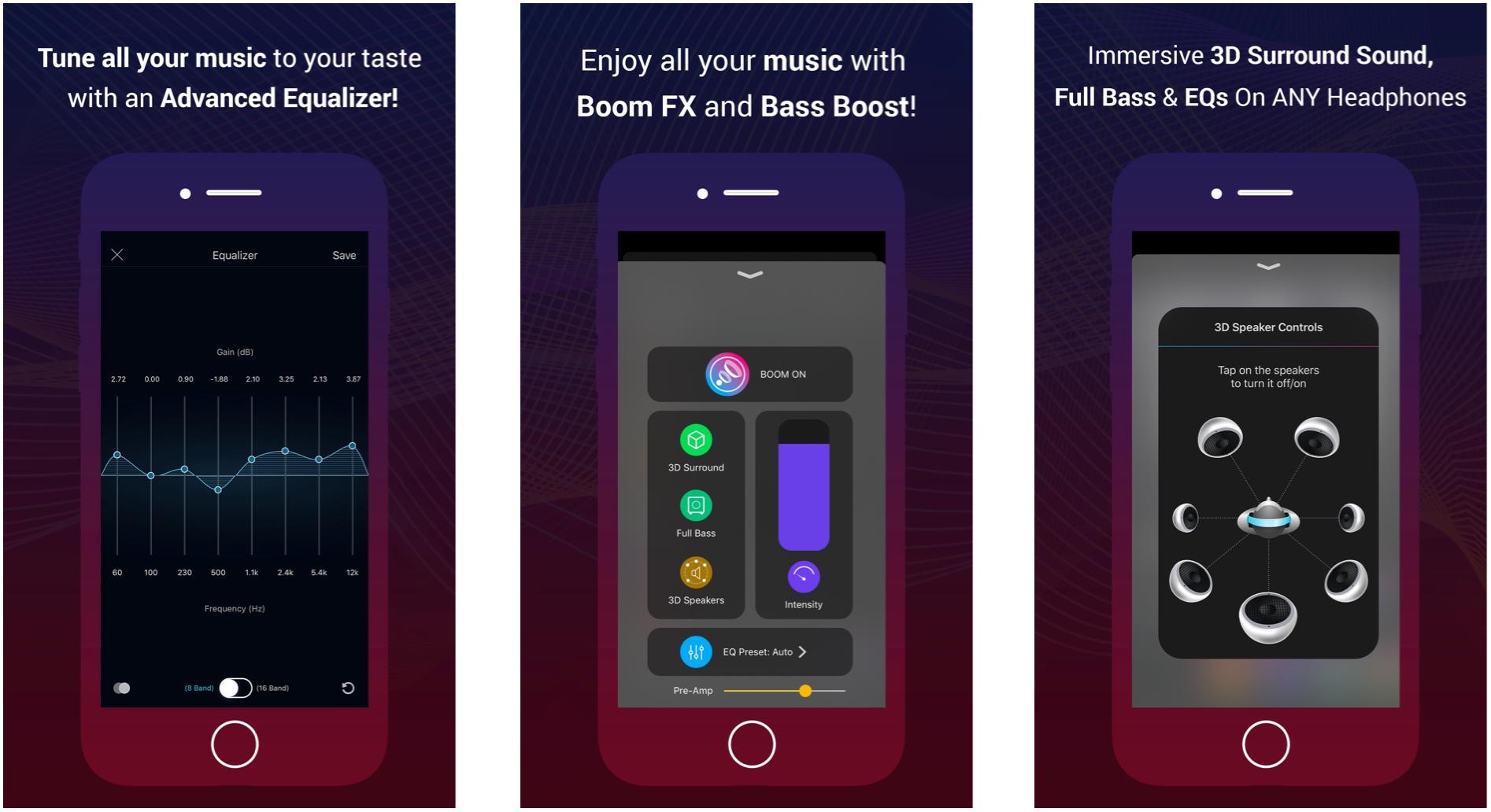
This move toward customization responds to a broader industry trend where consumers demand more agency over their hardware. By moving the equalizer from a specific app (Apple Music) to the OS level (iOS 27), the sound profile will apply across all audio sources, including third-party streaming apps and system alerts.
Did you know? Previous AirPods customization was siloed. If you changed an EQ setting in Apple Music, those changes didn’t carry over to YouTube or Spotify, leaving users with inconsistent audio experiences across different platforms.
How does Apple’s EQ compare to Bose and JBL?
Apple’s new offering enters a competitive landscape where rivals have long provided granular audio control. According to product specifications from Bose and JBL, the level of detail varies significantly across brands.
| Brand | EQ Type | Control Level |
|---|---|---|
| Apple (iOS 27) | Graphic EQ | Bass, Mids, Treble (Precision TBD) |
| Bose | 3-Band Slider | 20-point scale for Bass, Mids, Treble |
| JBL | Multi-Band EQ | 10 frequency bands adjustable in Hz |
While Apple’s new tool is a significant step forward, it appears more aligned with the Bose model of simplified three-band adjustment rather than the professional-grade 10-band frequency control offered by JBL.
What happens next for wearable audio trends?
The introduction of a system-wide EQ suggests that Apple is moving toward a more “open” ecosystem for hardware tuning. This mirrors a trend seen in the automotive industry, where manufacturers have shifted from “factory-tuned” audio to allowing users to save multiple driver-specific sound profiles.
Industry analysts suggest that the next logical step for wearables is adaptive equalization. This would involve the device using the internal microphones to analyze the fit of the earbud in the user’s ear canal and automatically adjusting the EQ to compensate for sound leakage, a feature already hinted at in some high-end audiophile brands.
Frequently Asked Questions
When will the AirPods equalizer be available?
The feature is slated for release as part of the iOS 27 update.
Will this work on all AirPods models?
Apple has not specified model compatibility, though it is expected to support all AirPods capable of running the latest firmware associated with iOS 27.
Can I still use the Apple Music EQ?
Yes, but the iOS 27 system-wide equalizer will provide a more comprehensive way to manage sound across all applications.
Leave a comment below telling us which feature you’re most excited about, or subscribe to our newsletter for daily tech briefings.