
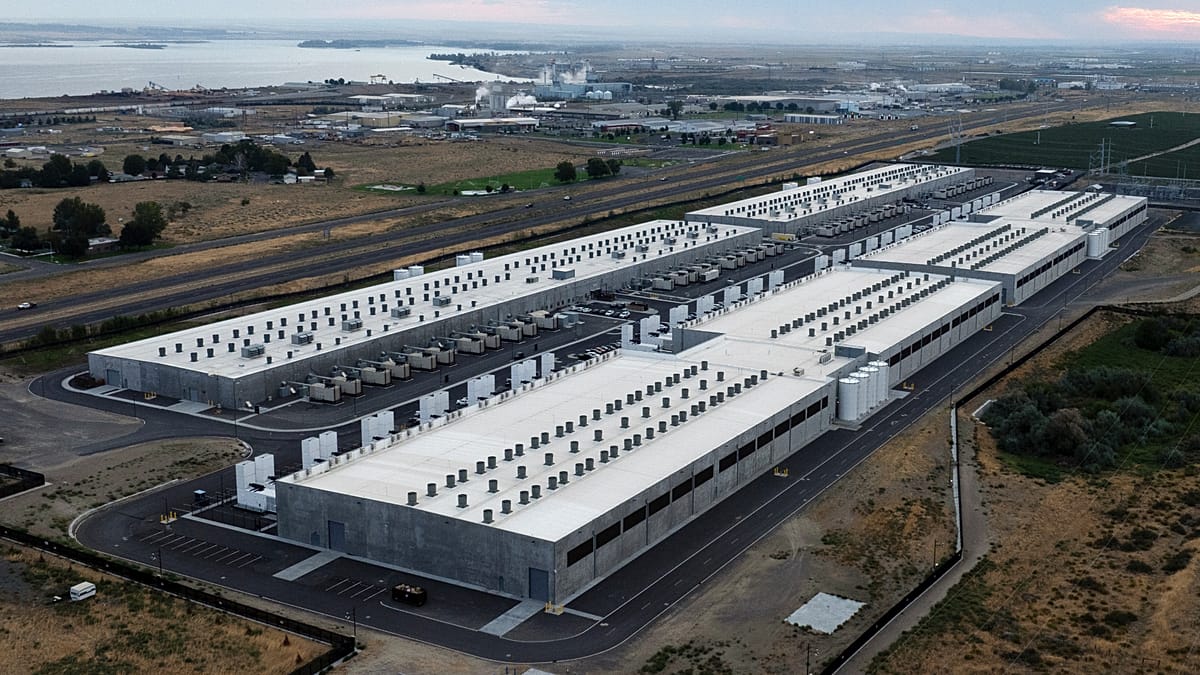
Global Cities Unite to Set Rules for AI Data Centers
Forty mayors from four continents signed a C40 Cities agreement during London Climate Action Week to impose strict environmental and social standards on AI data centers. The pact targets unsustainable power and water consumption, requiring facilities to use renewable energy and brownfield sites to prevent the displacement of housing and the depletion of local resources.
Why are cities cracking down on AI data centers?
Municipal governments are pushing back against the data center industry to prevent the collapse of local power grids and water supplies. According to C40 Cities, a coalition of nearly 100 cities fighting climate change, city administrations increasingly view these facilities as threats to urban infrastructure and affordable housing.

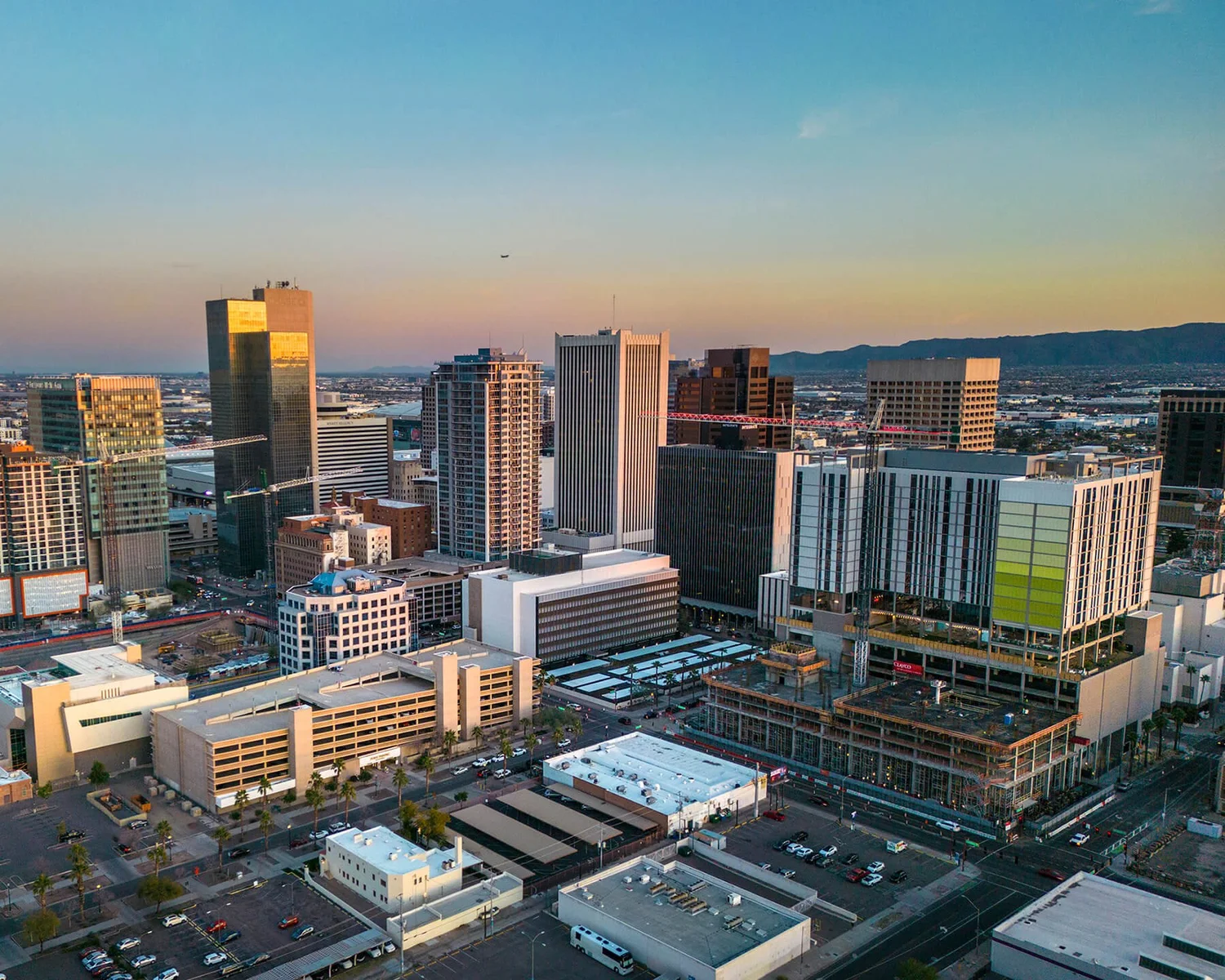
The crisis is visible in Phoenix, Arizona, a top ten North American hub for data centers. Mayor Kate Gallego stated that pending permit applications in the metropolitan area could double the city’s total electricity demand if approved. Gallego argues that the current investment wave ignores local community needs and worsens the climate crisis.
In Melbourne, Australia, the strain is primarily on water. Mayor Nicholas Reece reported that if all current plans are implemented, data centers could consume 20 billion liters of water annually. This represents roughly 4% of the city’s total drinking water supply at a time when Melbourne faces longer droughts and more intense heatwaves.
In 50 of the C40 network cities, the number of data center facilities is expected to increase by more than 40%, further intensifying the competition for limited urban land.
What are the new standards for data center approval?
The C40 agreement establishes concrete requirements that operators must meet to gain city approval. Under the pact, data centers are required to build on brownfield or underutilized land rather than competing with residential housing projects.
The agreement mandates several technical and social benchmarks:
- Energy: Facilities must use renewable energy sources and integrate battery storage.
- Environment: Operators must reduce water consumption, lower emissions, and implement systems to repurpose waste heat.
- Economy: Companies must create local jobs, source goods and services from local vendors, and self-finance necessary infrastructure upgrades.
- Governance: Meaningful engagement with local residents is required before construction begins.
Cassie Sutherland, CEO of C40, noted that while the vision is global, it must be translated into local regulations with the help of utility companies and the private sector to be effective.
How does the impact vary between the US and Southeast Asia?
A sharp divide exists between the cities signing the pact and the regions experiencing the fastest growth. About half of the 40 signatory cities are in the U.S., including Seattle, Chicago, Miami, Phoenix, and Palo Alto. Other participants include cities in Europe, Canada, Africa, India, Australia, and Lebanon.
Conversely, no city in Southeast Asia has signed the agreement. This is a significant gap, as the region accounts for roughly 25% of the global increase in energy consumption. According to the think tank Ember, more than 2,000 data centers already operate across Indonesia, Malaysia, Singapore, Thailand, Vietnam, and the Philippines.
The International Energy Agency (IEA) projects that the annual energy demand for these facilities will more than double within five years. Malaysia, in particular, has become a primary target for massive investments from Google, Microsoft, and Nvidia. C40 reports that several Southeast Asian cities cited national regulations as hurdles to signing the pact, though discussions continue.
| Region | Primary Resource Strain | Regulatory Status |
|---|---|---|
| Phoenix, USA | Electricity (Potential 100% increase) | C40 Signatory |
| Melbourne, Australia | Water (4% of city supply) | C40 Signatory |
| Southeast Asia | Rapid Energy Growth (25% of global increase) | Non-Signatory |
Will data centers move to rural areas to avoid these rules?
The industry’s reliance on cities is driven by the need for low latency. AI systems require near-instant response times, making proximity to the end-user critical. This creates “metropolis ecosystems” where the business advantage of speed outweighs high land costs.

However, a shift is beginning. Andrew Batson, global head of data center research at JLL, reports that the industry has recently started pushing into rural areas. This move may accelerate if urban mayors continue to form a “closed front” to change the rules of investment.
Mayor Gallego warned that without coordinated standards, investors would simply seek out cities that are too weak to demand better conditions for their residents.
To attract sustainable tech investment, focus on zoning “brownfield” sites specifically for data centers and mandate waste-heat recovery systems that can feed into municipal district heating networks.
Frequently Asked Questions
What is the C40 Cities agreement?
It is a coordinated effort by 40 mayors to set global standards for AI data centers, focusing on renewable energy, water conservation, and local community benefits.
Why is water consumption a problem for AI?
Data centers use massive amounts of water for cooling servers. In Melbourne, planned facilities could use 20 billion liters a year, threatening the drinking water supply during droughts.
Which regions are currently ignoring these standards?
Southeast Asia, including Malaysia and Singapore, has not signed the agreement despite hosting thousands of data centers and seeing rapid energy demand growth.
How do data centers affect local housing?
They often compete for the same limited urban land available for residential development, potentially driving up prices or displacing housing projects.
Join the conversation: Do you think cities should have the power to block AI infrastructure to protect local resources, or does this hinder technological progress? Let us know in the comments below or subscribe to our newsletter for more updates on the intersection of AI and urban sustainability.