
Google Engineer Charged in $1.2 Million Polymarket Insider Trading Case
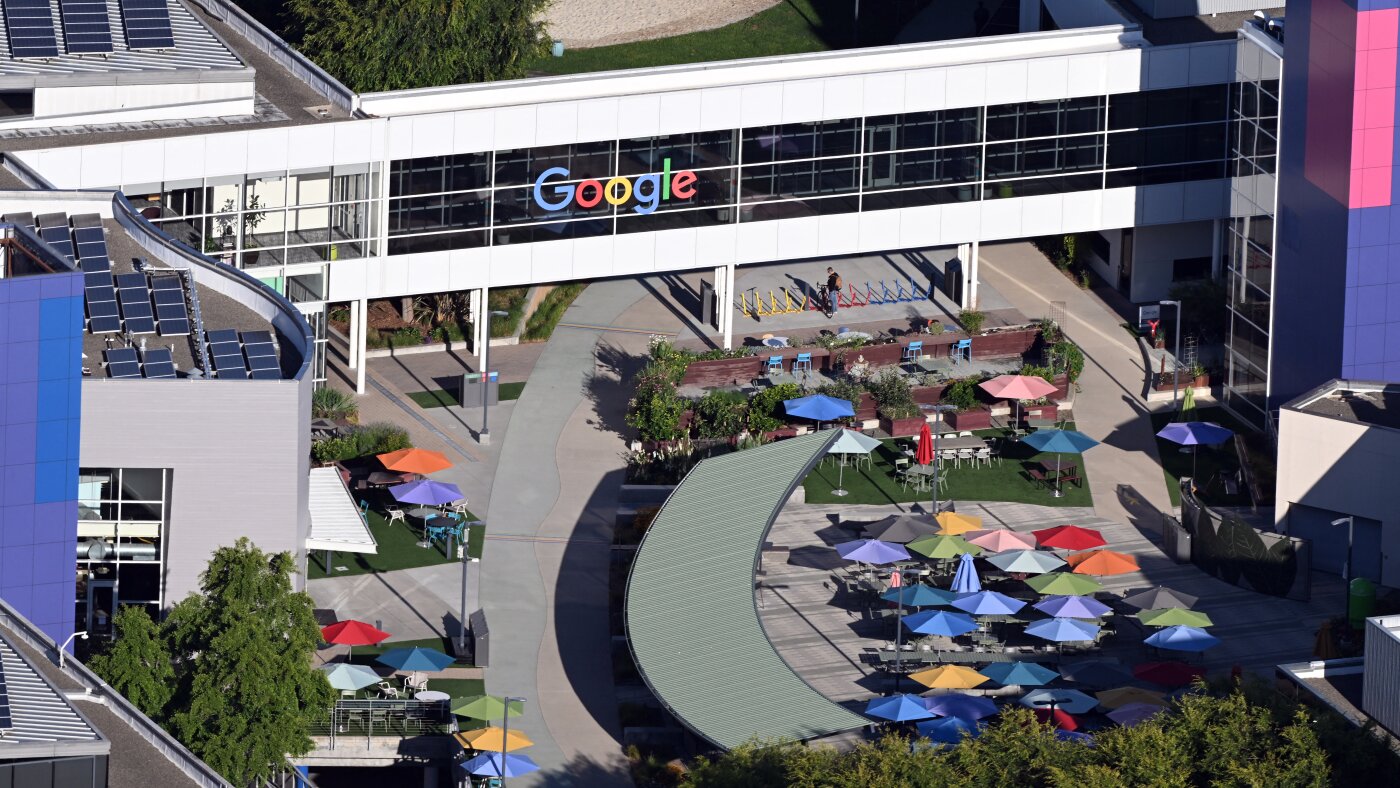
A Google software engineer has been charged with using confidential company data to secure $1.2 million in profits on the prediction market site Polymarket. Michele Spagnuolo, a 36-year-old Italian citizen residing in Switzerland, was arrested Wednesday on charges including wire fraud, commodities fraud, and money laundering.
Federal prosecutors allege that Spagnuolo accessed commercially valuable internal Google data to track user search trends. This information allowed him to place bets with knowledge of the outcomes before the general trading public.
The ‘AlphaRaccoon’ Strategy
Operating under the username “AlphaRaccoon,” Spagnuolo allegedly bet that the rapper D4vd would be the most-searched person of 2025. At the time, other traders assigned a “near-zero probability” to the singer, who has been charged with murder.
Charging documents indicate that Spagnuolo removed the “AlphaRaccoon” name from his account after transferring his winnings from his cryptocurrency wallet. The Commodity Futures Trading Commission has also filed a separate civil case against him for violating commodities law.
Corporate and Platform Responses
Google confirmed it cooperated with the federal investigation and has placed Spagnuolo on leave. Company spokesperson Jaclyn Vazquez stated that while the tools used were available to all employees, using confidential information for betting is a “serious breach” of company policies.
Olivia Chalos, chief legal officer for Polymarket, noted that the platform is the only one to date whose cooperation has led to insider trading charges in the U.S. She emphasized that because the site uses cryptocurrency, “bad actors leave footprints.”
The Battle Over Regulation
Prediction markets like Polymarket and Kalshi have surged in popularity during President Trump’s second term. Users bet on a wide range of events, from geopolitical shifts and elections to company announcements.
A legal conflict persists between state and federal officials over who should police these sites. State officials argue they are gambling operations, while the Trump administration views them as “futures contracts” under the jurisdiction of the Commodity Futures Trading Commission.
Political Connections and Legal History
President Trump recently vowed on Truth Social to let the industry “thrive” by asserting exclusive federal authority. This follows a history of friction, including a 2022 settlement that forced Polymarket to shut down its U.S. Operations and a subsequent FBI raid on founder Shayne Coplan’s apartment.
The Trump administration eventually dropped the investigation into Coplan and invited him to a White House cryptocurrency summit. Donald Trump Jr. Serves as an advisor to both Kalshi and Polymarket and is a partner in 1789 Capital, a major investor in Polymarket.
Potential Future Developments
The resolution of the ongoing court battles between state and federal officials could redefine how these platforms operate within the U.S. A shift toward exclusive federal authority may allow these markets to expand more rapidly.
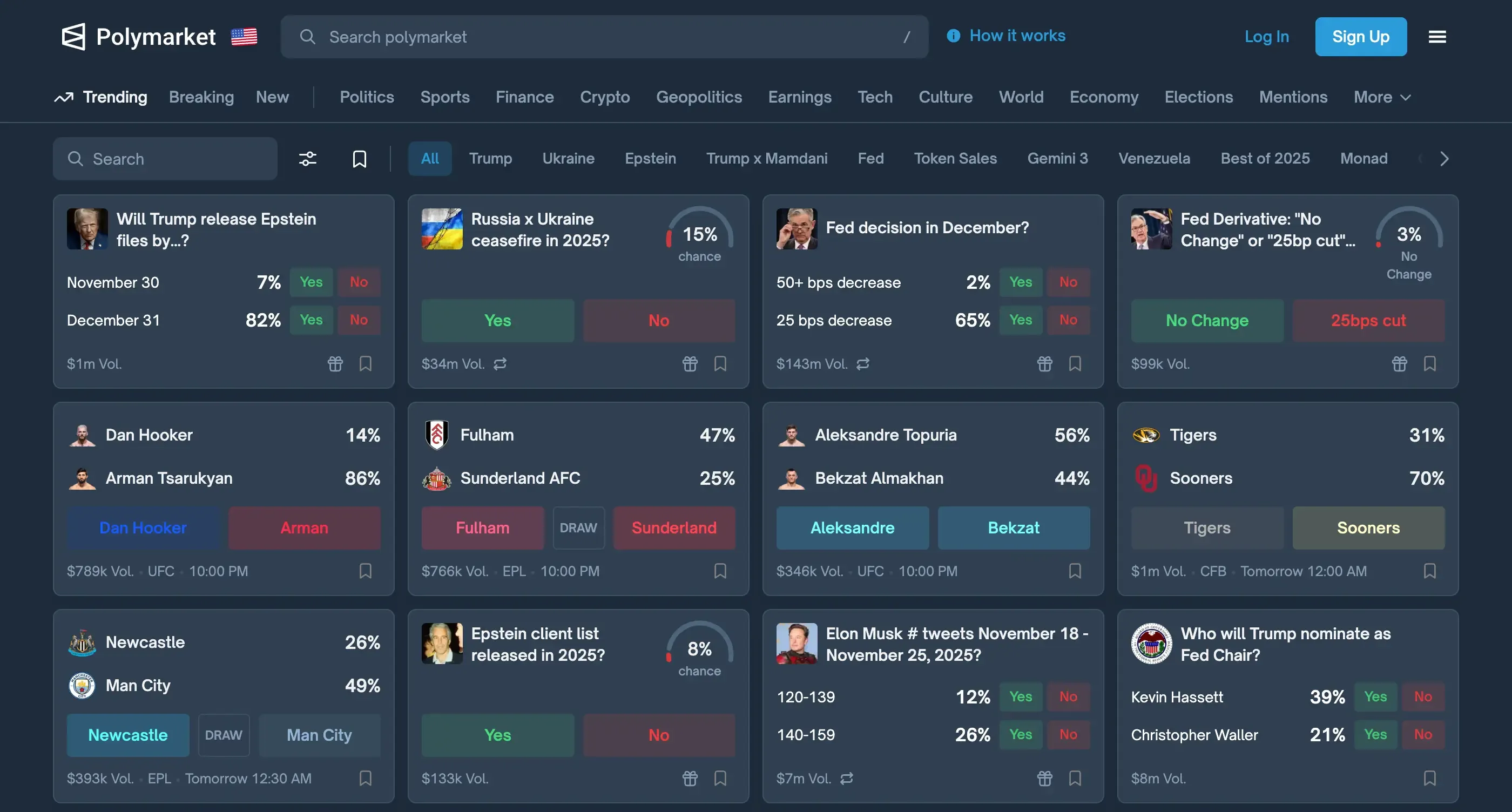
as online sleuths continue to identify “suspiciously confident” long-shot bets, federal authorities may increase their scrutiny of large, unusual trades to identify other potential insiders.
Frequently Asked Questions
Who is Michele Spagnuolo?
He is a 36-year-old Italian citizen and Google software engineer living in Switzerland who has been charged with using confidential company data to make $1.2 million on Polymarket.
What are the specific charges against him?
He is charged with commodities fraud, wire fraud, and money laundering, in addition to a civil case brought by the Commodity Futures Trading Commission.
Why is the regulation of Polymarket controversial?
There is a dispute over whether the platform should be governed by state gambling rules or federal commodities laws as a provider of “futures contracts.”
Do you believe prediction markets provide valuable data or simply facilitate high-stakes gambling?