
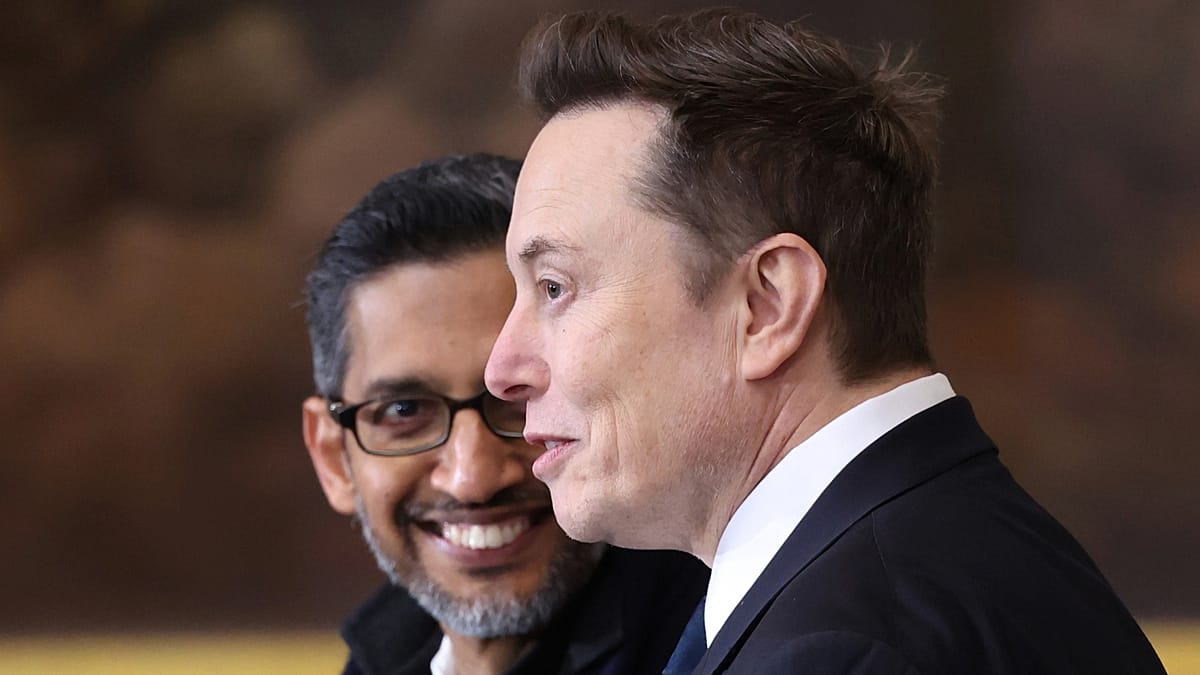
Google to Pay SpaceX €920 Million Monthly for AI Computing Power
Google has signed a massive agreement to rent 110,000 Nvidia GPUs from SpaceX’s “Colossus” data centers, paying €920 million per month through June 2029. This deal, revealed in regulatory filings, signals a strategic shift as Google seeks the raw compute power necessary to scale its AI agents and enterprise platforms.
Why is Google paying SpaceX for computing power?
Google needs more horsepower. To meet the exploding demand for AI agents and enterprise-grade platforms, Alphabet’s subsidiary is leveraging SpaceX’s massive infrastructure. According to reporting by NBC, the goal is to increase capacity for corporate clients who are integrating complex AI workflows into their business operations.
The scale is staggering. Google will utilize 110,000 Nvidia GPUs and associated memory components hosted in SpaceX’s U.S. data centers. The contract runs from October 2026 to June 2029, ensuring Google has a guaranteed pipeline of compute resources during a period of global chip scarcity.
How does this deal affect SpaceX’s trillion-dollar valuation?
This agreement acts as a powerful catalyst for SpaceX’s upcoming IPO. While Alphabet invested in SpaceX back in 2015 when the company was valued at just $12 billion, the landscape has shifted. Today, SpaceX is eyeing an IPO valuation exceeding $1.75 trillion.
The integration of xAI—which SpaceX acquired in February 2026—has transformed the company from a launch provider into an AI infrastructure titan. The combined “SpaceX/AI” entity is currently estimated at $1.25 trillion. By monetizing its “Colossus” data centers—which boast a total capacity of over 2 GW—SpaceX is proving it can generate massive recurring revenue from other tech giants, including Anthropic, which signed a similar deal in May.
What are the risks of relying on “Colossus” infrastructure?
The deal isn’t without friction. Regulatory filings show that Google has a “kill switch” in the contract. If SpaceX fails to provide the agreed-upon GPU access by September 30, 2026, Google can terminate the agreement immediately or negotiate reduced fees after a one-month grace period.
Beyond technical delivery, there’s a legal cloud hanging over the infrastructure. SpaceX’s AI model, Grok, has come under fire globally for generating non-consensual deepfake pornography. According to regulatory reports, xAI is facing lawsuits and investigations that could lead to massive fines. In the UK, violations of GDPR data protection laws could cost the company up to 4% of its annual global turnover.
Comparing the Scale: Then vs. Now
| Metric | SpaceX (circa 2015) | SpaceX/AI (2026) |
|---|---|---|
| Valuation | $12 Billion | $1.75 Trillion (Target) |
| Compute Role | Consumer (Rented from Google) | Provider (Leasing to Google) |
| Key Asset | Falcon Rockets | Colossus Data Centers (2 GW) |
Will AI infrastructure become the new global utility?
We’re seeing the emergence of “Compute-as-a-Service” on a sovereign scale. When a company like SpaceX can charge nearly a billion euros a month just for access to hardware, compute becomes as essential as electricity or water. This trend suggests that future tech dominance won’t be decided by who has the best algorithm, but by who controls the most power-dense data centers.
For more on how this affects the market, check out our analysis of the global GPU shortage and the rise of autonomous AI agents.
Frequently Asked Questions
How much is Google paying SpaceX per year?
At €920 million per month, Google is paying approximately €11.04 billion annually for the duration of the 32-month contract.
What is the “Colossus” data center?
Colossus is the name for SpaceX’s network of mega-data centers in the U.S., which provide over 2 GW of power to support xAI and third-party compute rentals.
Why is xAI facing legal trouble?
The company is under investigation for the creation of non-consensual explicit deepfake content generated via its Grok AI model, potentially violating GDPR and other international laws.
Do you think Google is making a mistake by relying on Elon Musk’s infrastructure?
Join the conversation in the comments below or subscribe to our newsletter for the latest insights into the AI arms race.