
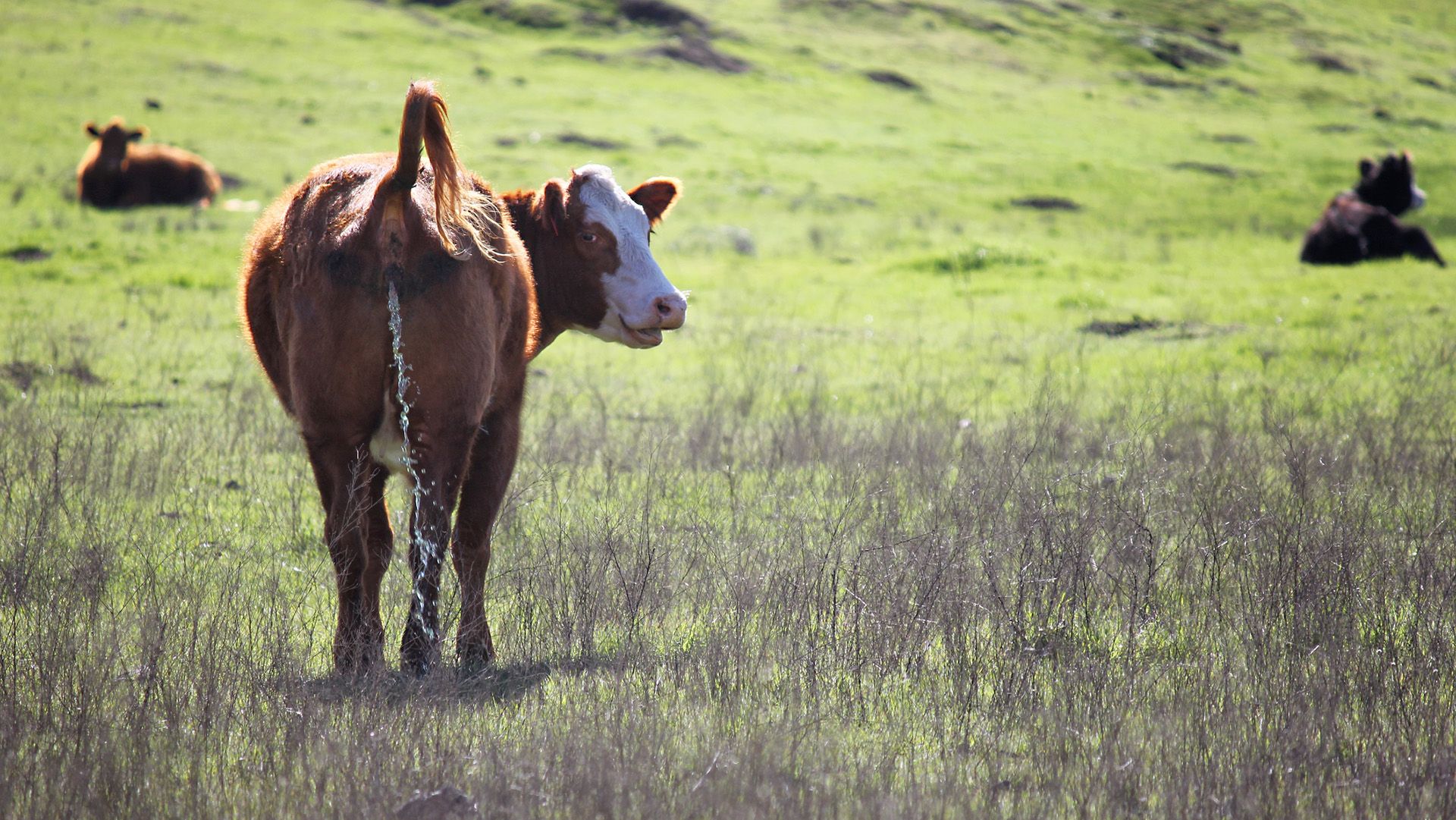
Has all the water on Earth been peed before?
Most of the water on Earth has cycled through biological systems for millions of years, leading some scientists to conclude that much of the water we drink today has passed through the bodies of ancient creatures. However, experts note that while the water cycle is vast, it is not perfectly uniform; some water remains trapped in glaciers or deep underground as “juvenile water,” meaning not every drop has been ingested by an animal.
Has all the world’s water been inside a dinosaur?
According to Neil Donahue, a professor of chemistry and chemical engineering at Carnegie Mellon University, the answer is “emphatically yes” when viewed through a long-term mathematical lens. Donahue’s back-of-the-envelope calculation assumes that all chordates—a group including mammals, birds, and fish—excrete roughly 1% of their body weight in water daily. With an estimated 2 billion metric tons of chordate mass on Earth, this equates to 0.2 gigatonnes of biological water output every day.
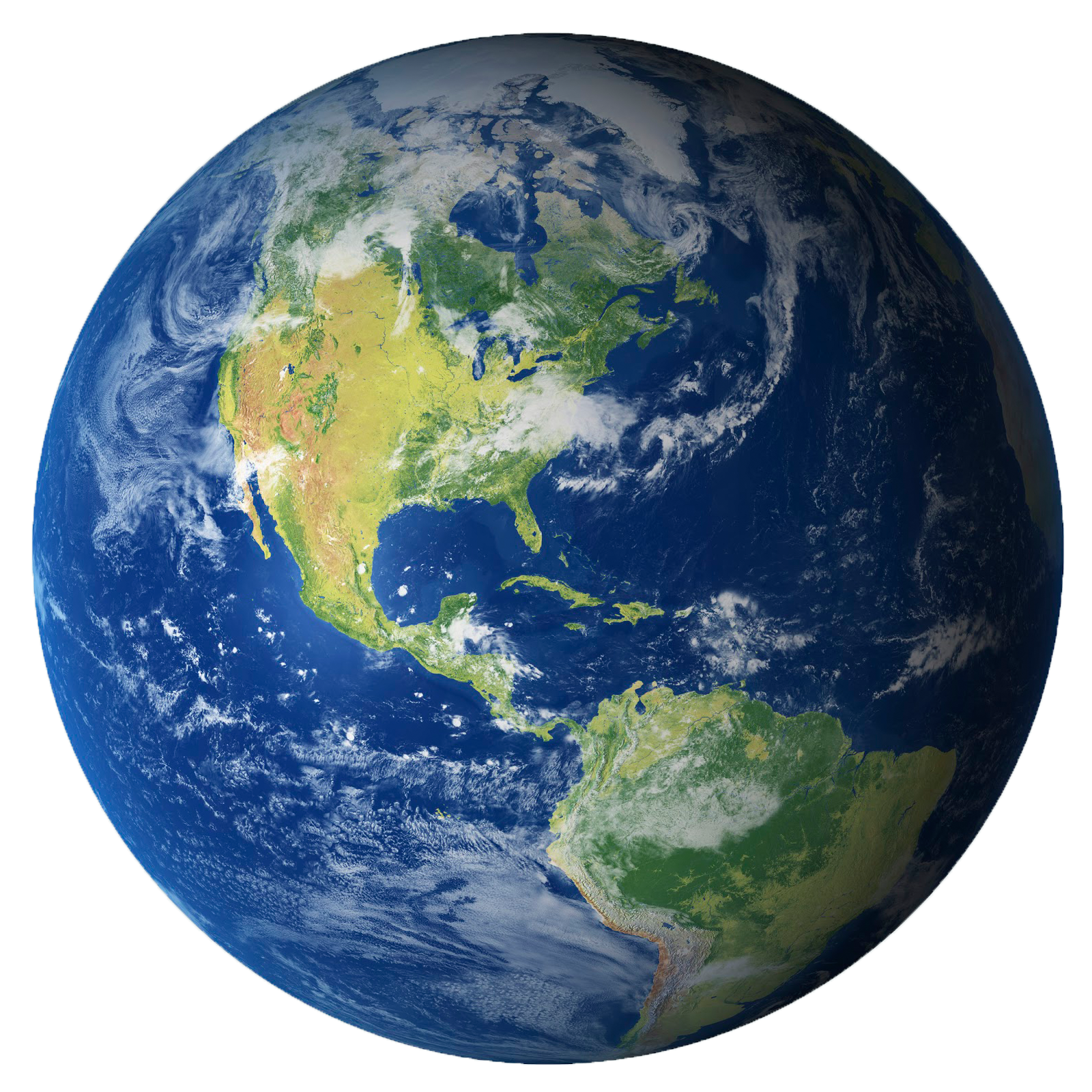
Donahue notes that at this rate, it would take approximately 19 million years to “pee out the whole ocean.” Because the asteroid impact that ended the age of the nonavian dinosaurs occurred 66 million years ago, he argues that the sheer volume of biological turnover suggests most surface water has been processed by living organisms multiple times over.
The U.S. Geological Survey estimates Earth holds about 1.4 billion gigatons of water. This total includes everything from the deep oceans and polar ice caps to the vapor circulating in our atmosphere.
Why isn’t every drop of water recycled?
While the water cycle is the primary engine for moving moisture, not all water moves at the same speed. David Kreamer, a professor of hydrology at the University of Nevada, Las Vegas, explains that the water cycle has significant “storage” phases that prevent total, rapid mixing. Water trapped in glacial ice can remain stationary for hundreds of thousands of years, effectively sequestered from the biological cycle.

Furthermore, Kreamer highlights the existence of “juvenile water.” This is water that has never participated in the surface water cycle. It remains trapped deep within the Earth’s crust and is only released during volcanic activity. When a volcano erupts, it releases steam and moisture from the depths that has never been part of the biosphere. Once this new water reaches the surface, it eventually enters the water cycle, but until that moment, it remains “un-peed” water.
How does the water cycle impact future water security?
Understanding the age and origin of water is becoming increasingly important as climate change alters precipitation patterns. While the total volume of water on Earth remains relatively constant, the speed at which it moves—and the purity of the sources we rely on—is shifting. As glaciers melt and deep groundwater is extracted for human use, we are accessing water that has been “off the grid” for millennia.
Hydrologists emphasize that managing these different “ages” of water is a growing challenge. Relying on ancient groundwater, for example, is a finite strategy because these aquifers recharge much slower than the surface water used in daily life. Protecting the integrity of the water cycle is essential to ensuring that water remains safe for consumption, regardless of its prehistoric history.
Frequently Asked Questions
- Is it safe to drink water that has passed through animals? Yes. Through the processes of evaporation, condensation, and precipitation, water is naturally distilled and filtered, effectively resetting its chemical and biological state.
- What is juvenile water? It is water that has been trapped deep within the Earth’s interior and is only released to the surface through volcanic or tectonic activity.
- Does the amount of water on Earth change? The total amount of water is relatively stable, though it constantly changes form between liquid, solid (ice), and gas (vapor).
What do you think about the history of the water in your glass? Share your thoughts in the comments below, or subscribe to our newsletter for more deep dives into the mysteries of the natural world.
