

Helix rocket engine power pack upgrade
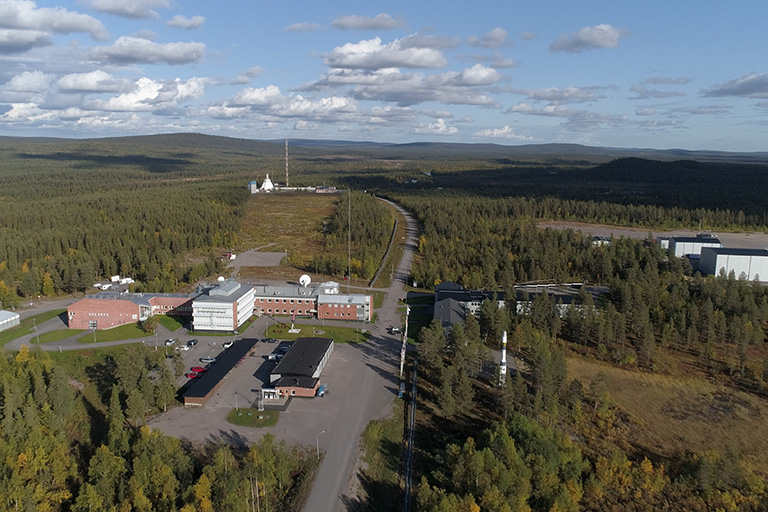
The pursuit of space exploration requires engineering that operates at the very edge of physical possibility. Rocket Factory Augsburg (RFA), a German firm, has recently achieved a critical milestone in this field by successfully conducting two hot-fire tests of a new power pack design at the Esrange Space centre in Sweden. This component is designed for the upgraded Helix 2.0 engine, a system that represents a significant leap in propulsion technology.
The Mechanics of Extreme Performance
In the high-stakes environment of orbital flight, rocket engines must manage the flow of immense quantities of propellant—often exceeding 150,000 kg in minutes—to escape Earth’s gravity. The power pack serves as the heart of this process, functioning as a high-pressure delivery system that ensures fuel and oxidizer reach the combustion chamber at precise temperatures and pressures.

The Helix 2.0 engine utilizes oxygen-rich staged combustion, a sophisticated cycle where a fraction of the propellant is burned to drive turbines. These turbines, in turn, power the pumps that maintain the engine’s pressure cycle. By refining this power pack, RFA aims to double the thrust of the engine to 200kN while maintaining the production costs and mass of the original Helix 1.0 model.
Strategic Implications for European Space Access
This testing campaign was supported by the European Space Agency’s (ESA) Future Launchers Preparatory Programme (FLPP) ‘Thrust!’ initiative. This program is specifically designed to accelerate the development of high-thrust, reusable propulsion technologies. With €9 million in ESA funding already committed, the initiative aims to facilitate staged combustion engine testing capable of delivering over 1000 kN of thrust by the early 2030s.
Looking Toward the Launchpad
While the Helix 2.0 power pack undergoes rigorous testing, the company is concurrently preparing for the inaugural flight of the RFA One launch vehicle. This first test flight is scheduled to launch from the SaxaVord Spaceport, situated on the northernmost island of the United Kingdom. RFA has already submitted an application for a launch window for this mission.
If subsequent development phases continue to mirror the success of these power pack tests, it is likely that RFA will transition from these ground-based trials to full-scale flight integration. The continued maturation of this technology could play a decisive role in strengthening Europe’s competitive edge in the global launch market.
Frequently Asked Questions
What was the purpose of the recent tests at the Esrange Space centre?
The tests were conducted to demonstrate the stability and performance of a new power pack design for the upgraded Helix 2.0 rocket engine under high flow rate conditions.
How does the Helix 2.0 differ from the previous model?
According to RFA, the Helix 2.0 is designed to deliver double the thrust of the original model (200kN) while keeping the mass, production technology, and costs comparable to the Helix 1.0.
What is the goal of the ESA ‘Thrust!’ initiative?
The initiative aims to accelerate the maturation of high-thrust staged-combustion propulsion technologies in Europe to enable future reusable launch systems and ensure autonomous access to space.
How do you think the shift toward reusable, high-thrust engine technology will change the future of commercial space travel?