
How Dangerous Is Road Debris?
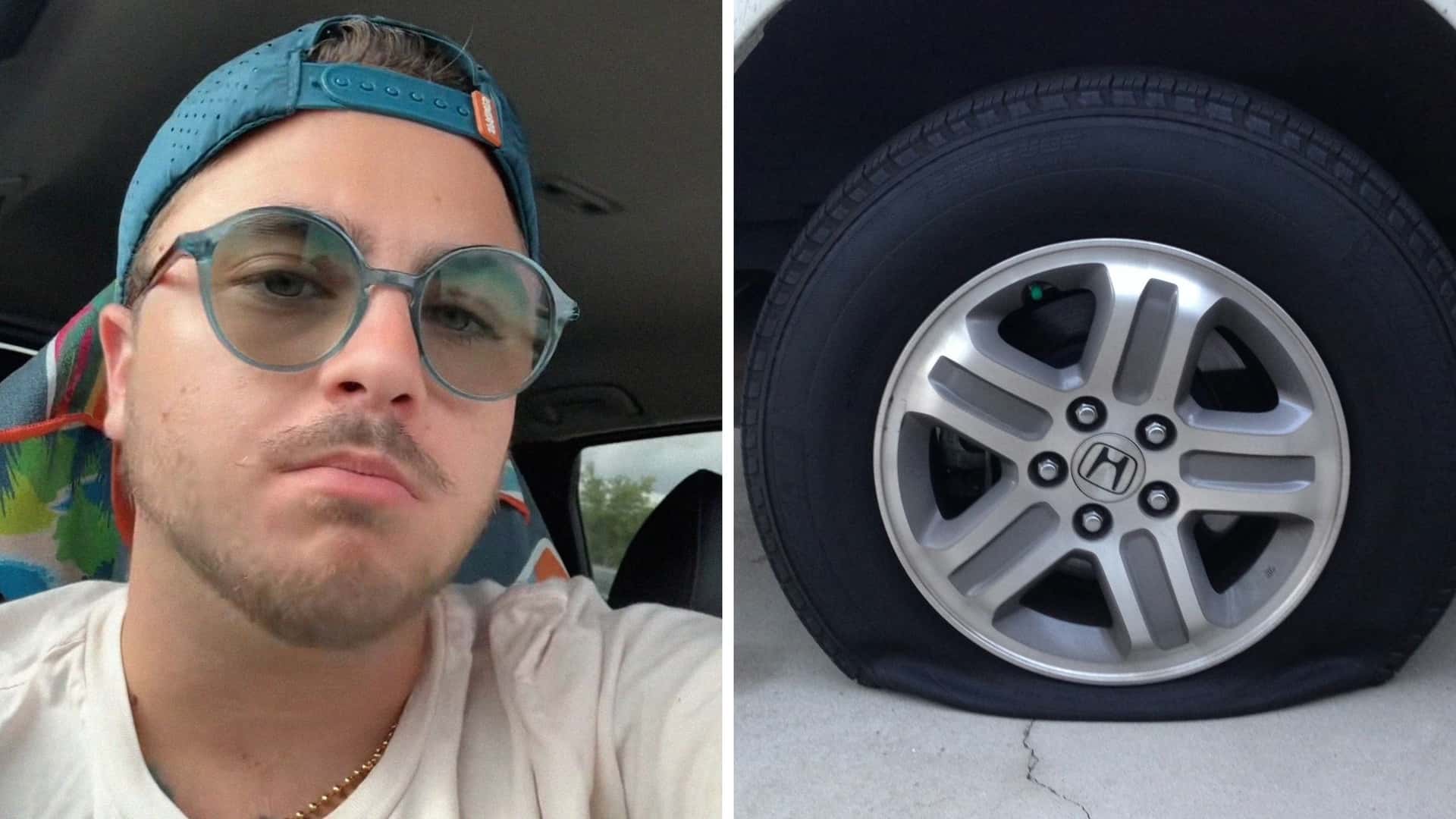
A wrench embedded in a tire with fewer than 1,000 miles was documented by content creator Peter Petrella in a trending video. The incident highlights the risks of road debris, which the National Highway Traffic Safety Administration (NHTSA) links to 511 tire-related crash deaths in 2024.
Petrella reported that his fiancée discovered a flat tire after visiting a passport office. Roadside assistance technicians found an entire wrench had punctured the bottom of the tire and become locked in place by its circular head.
The tire showed no visible damage until it was removed from the vehicle. Petrella noted in his TikTok caption that the tire had been in use for less than 1,000 miles.
Why is road debris a significant safety risk?
Sharp objects like screws and nails are common causes of sudden punctures and blowouts, according to the NHTSA. The agency reports that debris can also cause uneven wear, which may lead to later tire failure.

J&L Tire & Service Center identifies potholes as another major hazard that can puncture tires or damage the steering column. Other risks include broken glass and fallen trees or branches, particularly following storms.
J&L Tire & Service Center advises that swerving to avoid debris is often more dangerous than hitting the object. This is because drivers typically lack the time to safely assess the hazard level before reacting.
How can drivers prevent tire failure?
Synchrony states that most flat tires are preventable through regular maintenance. This includes checking tire pressure monthly to avoid structural weakening from underinflation or increased puncture risk from overinflation.
Drivers are encouraged to perform visual checks before every trip, looking for bulges, cracks, or embedded objects. The “penny test” can determine if tread is too worn, which increases vulnerability to punctures.
Tires should be rotated every 5,000 to 7,500 miles to prevent weak spots. Synchrony recommends replacing any tire with visible cuts, bulges, or tread worn to 2/32 of an inch.
What may happen next for drivers in construction zones?
Drivers operating in high-construction areas, such as those mentioned by Petrella in Florida, may face a higher probability of encountering industrial debris. This could lead to more frequent tire replacements for those who do not maintain optimal tread depth.

Failure to replace tires with tread worn to 2/32 of an inch is likely to increase the risk of punctures from smaller objects. Drivers who use temporary sealants for holes larger than 6mm may find these fixes insufficient for permanent safety.
Frequently Asked Questions
What are the most common causes of sudden tire punctures?
According to the NHTSA, screws, nails, and other sharp objects are among the most common causes of punctures and blowouts.
How often should tires be rotated?
Synchrony recommends rotating tires every 5,000 to 7,500 miles to ensure even wear.
When is a tire sealant not an effective solution?
According to Synchrony, sealants are not permanent fixes and will not work on the tire sidewall or for holes larger than 6mm.
Have you ever encountered unexpected debris on the road?