

US Returns to Indefinite War Footing in the Middle East After Iran Nuclear Deal
President Donald Trump’s administration announced a US-Iran ceasefire deal on Sunday, but the agreement faces immediate scrutiny over its unresolved issues and potential for future conflicts. The deal, which includes a 60-day ceasefire to negotiate a broader peace agreement, leaves key questions about Iran’s nuclear program, the status of the Strait of Hormuz, and regional stability. The US and Iran have spent over $30 billion on the conflict, with critics questioning the value of a war that reportedly restored prewar conditions.
The agreement’s details remain unclear, with conflicting claims about the Strait of Hormuz. While Trump tweeted that the waterway would be “permanently toll free,” Iranian state media reported plans to impose fees, creating uncertainty for shipping companies. Iran has not yet implemented the deal’s terms, with the strait expected to remain closed until Friday, prolonging tensions. The US lifted its blockade on Iran, but the delay raises doubts about the deal’s finality, especially after Israeli strikes in Lebanon nearly derailed the process.
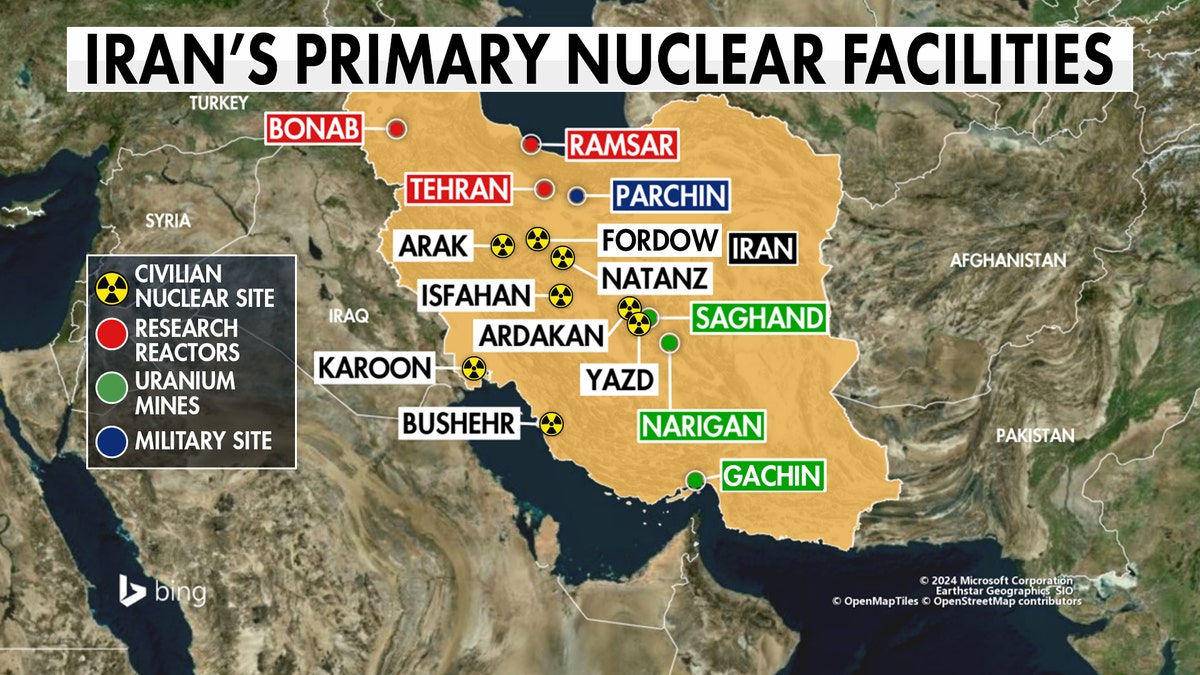
On nuclear issues, the deal postpones resolving Iran’s enrichment program, including a 440-kilogram stockpile of highly enriched uranium. Trump insists the material be removed, but Iran’s leadership has opposed this. Negotiations also hinge on inspection regimes and sanctions relief, with trust eroded by recent US-Israeli attacks on Iran. Meanwhile, Israel’s conflict with Hezbollah in Lebanon complicates the deal, as Israeli officials refuse to withdraw from occupied territory, risking further friction.
Why the deal matters
The ceasefire’s success depends on resolving longstanding disputes over Iran’s nuclear ambitions and regional power dynamics. The deal’s ambiguity could prolong US military involvement in the Middle East, with Trump suggesting the US might act as a “guardian” of the region in exchange for oil revenue. Analysts note that the agreement’s reliance on voluntary compliance and unresolved leverage points, like Iran’s control of the Strait of Hormuz, increases the risk of renewed conflict.
What may happen next
The 60-day ceasefire could see incremental progress on nuclear negotiations, but disagreements over uranium stockpiles and inspections may stall talks. Iran’s potential ability to reopen the Strait of Hormuz at any time could fuel ongoing tensions, while Israel’s stance on Hezbollah remains a critical variable. If negotiations fail, the US may face pressure to maintain its military presence, despite Trump’s earlier pledges to reduce foreign entanglements.
Did You Know? The US and Iran conflict has cost over $30 billion, with additional economic impacts on global fuel and food prices, according to the source.
Expert Insight: The deal’s reliance on temporary measures and unresolved leverage points reflects a strategic gamble to end hostilities without addressing deep-seated regional power struggles. Analysts suggest that without enforceable mechanisms, the agreement risks becoming a fragile pause rather than a lasting solution.
Frequently Asked Questions
What does the ceasefire deal include? The agreement includes a 60-day ceasefire to negotiate a broader peace deal, with provisions to reopen the Strait of Hormuz and address Iran’s nuclear program, though key details remain undisclosed.

Why is the Strait of Hormuz a point of contention? Trump claimed the strait would be “permanently toll free,” but Iranian state media reported plans to impose fees, creating uncertainty about its operational status and long-term control.
What are the unresolved issues in the deal? Key unresolved matters include Iran’s nuclear stockpile, inspection regimes, sanctions relief, and the status of Israel’s military operations in Lebanon, which could derail negotiations.
What long-term implications could this deal have for US foreign policy?