
How High Mortgage Rates Affect Home Prices: What Buyers Need to Know
The average 30-year fixed mortgage rate was 6.50% as of June 8, 2026, according to Freddie Mac data. Market analysts indicate that while sustained high rates may cause home prices to soften, a potential decline in rates could attract more buyers and drive prices higher.
Mortgage rates have shown volatility over the last several months. Freddie Mac data shows the average 30-year fixed rate fell below 6% in late February before climbing to nearly 6.5% by early April. After a slight dip, the rate returned to 6.50% by June 8.
Why are mortgage rates remaining high?
Rising inflation and a lack of interest rate cuts from the Federal Reserve are primary factors preventing a significant drop in mortgage rates. Jeff Lichtenstein, CEO at Echo Fine Properties in Palm Beach Gardens, Florida, stated that shipping costs and the impacts of war are further hindering a rate decrease.
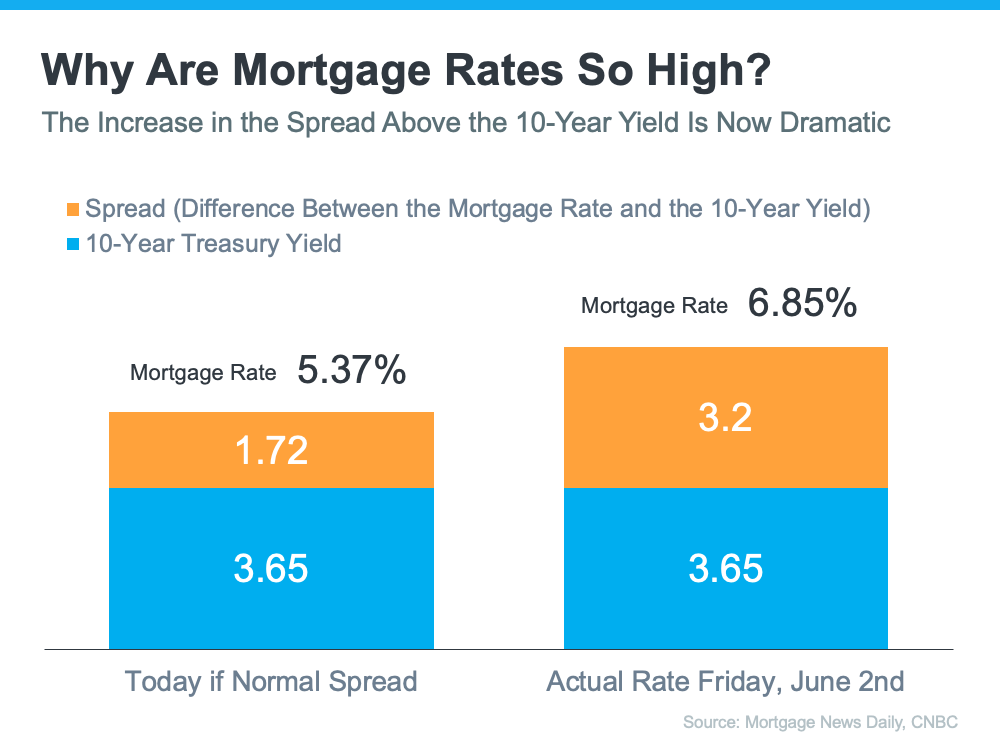
Lichtenstein noted that market activity previously heated up when rates reached 5.99% before the war began. Currently, affordability remains stretched for many households, and few forecasters expect a steep decline in rates in the near term.
What happens to home prices if rates stay elevated?
Home prices may continue to decline slowly if mortgage rates remain near current levels. Jake Krimmel, Senior Economist at Realtor.com, said that asking prices are already softening and sale prices are expected to follow with a lag.
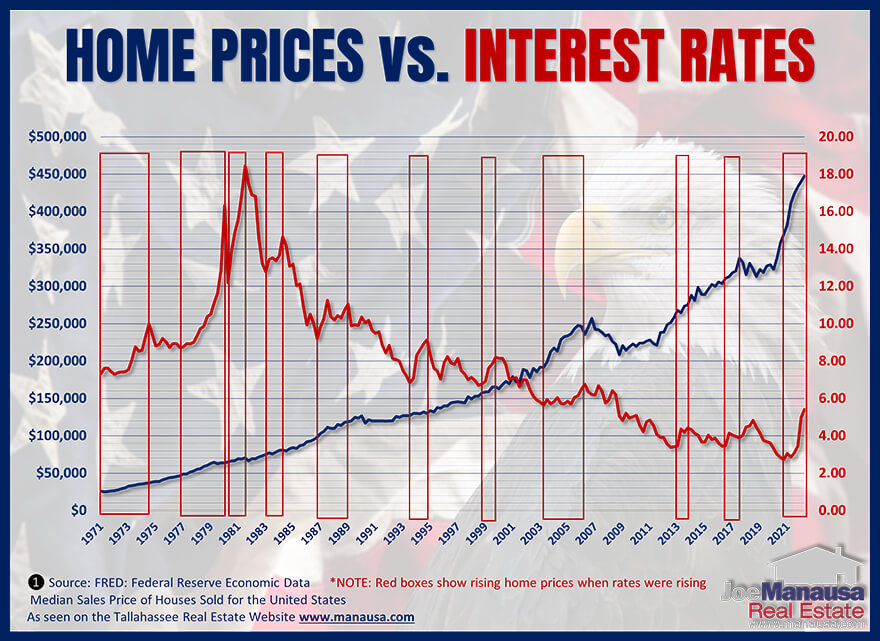
Krimmel reported that this price decline is broad-based, affecting all four major regions and 41 of the top 50 metros. Jeremy Schachter, branch manager at Fairway Independent Mortgage Corporation in Phoenix, Arizona, attributed this to the basic premise of supply and demand: lower demand due to high rates increases supply, which may slowly push prices down and give buyers more negotiating power.
How could a rate drop affect home buyers?
A decline in mortgage rates could occur if inflation cools, the Iran conflict ends, or other economic factors improve. However, Schachter warns that if rates fall, more buyers may enter the market, which could cause home prices to stabilize or increase.
This dynamic creates a risk for those waiting for lower rates, as the savings on a monthly payment could be offset by a higher home price. Some buyers are already adjusting their budgets to current rates to avoid this competition.
How can buyers manage affordability now?
Maria Kourepenos, a real estate agent at Coldwell Banker Warburg in New York City, noted that many homeowners are reluctant to sell because they are “wedded” to previous lower-rate mortgages. This trend keeps the overall supply of homes low.
To navigate these conditions, experts suggest the following moves:
- Evaluate total monthly costs: Look beyond the listing price to include property taxes and insurance, which vary by home.
- Utilize builder incentives: New construction homes may offer rate buydowns.
- Adjust requirements: Consider fixer-uppers or smaller properties.
- Time the purchase: Kourepenos suggests waiting until August or after Labor Day, as the market historically slows and sellers may become more anxious.
Frequently Asked Questions
What was the average 30-year fixed mortgage rate on June 8, 2026?
According to Freddie Mac data, the rate was 6.50%.
Are home prices falling across the United States?
Yes; according to Realtor.com, list prices were down 2.4% year-over-year in May, with declines seen in 41 of the top 50 metros.
Why is the supply of homes for sale remaining low?
Maria Kourepenos of Coldwell Banker Warburg states that many homeowners are reluctant to move because they hold lower-rate mortgages that make new homes less affordable.
Do you believe waiting for lower mortgage rates is worth the risk of higher home prices?