
How Social Media Inspires Medical Students to Pursue Neurology Careers
The field of neurology is undergoing a significant transformation, evolving from a traditional, clinic-based specialty into a dynamic, multidisciplinary branch of acute medicine. To bridge the gap between this modern reality and the perceptions of medical students, the Dutch Association of Neurology Residents (VAAN) has launched a strategic initiative to showcase the daily life of those training in the field.
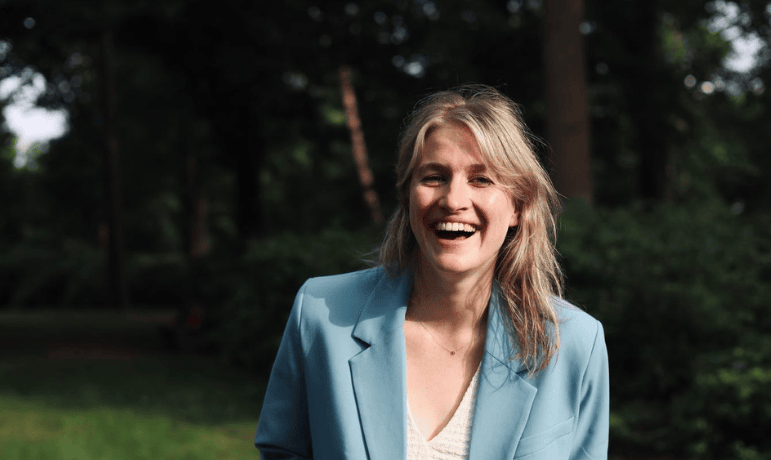
Resa van Lith, a resident at Radboudumc currently rotating at the Canisius Wilhelmina Ziekenhuis in Nijmegen, is leading this charge on social media. By utilizing platforms like Instagram and LinkedIn, the association aims to provide clarity on the neurologist’s role, moving beyond the common misconception that the profession is limited to routine outpatient care or specific procedures like spinal taps.
The Evolving Face of Neurology
The shift toward acute care is a defining characteristic of modern neurology. Residents and specialists are increasingly engaged in high-stakes environments, working closely with emergency departments and intensivists to treat conditions such as strokes. This multidisciplinary approach has infused the profession with a new level of variety and action that appeals to younger generations of physicians.

A key component of this outreach is the “Day in the Life of…” series. By documenting the schedules of residents—including clinical rotations, patient interactions, and even personal time spent with friends—the project highlights the growing importance of work-life balance within the medical community. This transparency serves to demonstrate that a demanding career in neurology can be both rewarding and sustainable.
Future Implications
As this initiative continues to gain traction, it is likely that other medical specialties will observe the success of this digital outreach model. The increased engagement on social media platforms may lead to a higher volume of informed inquiries from students, potentially influencing their career trajectory before they even complete their rotations.
Looking ahead, the continued focus on sharing “best practices” regarding work-life balance and departmental initiatives could foster a more collaborative culture across different training centres. If the current trend of positive feedback persists, the VAAN may expand its content to include more podcasts and live event coverage, further solidifying the link between experienced residents and the next generation of doctors.
Frequently Asked Questions
Why is the VAAN sharing the daily lives of neurology residents on social media?
The association aims to generate interest in the specialty by showing medical students exactly what a neurologist does in a hospital, clarifying misconceptions about the role, and highlighting the importance of work-life balance.

How has the profession of neurology changed?
The field has become more acute and multidisciplinary. While outpatient clinic work remains, there is now a much greater focus on urgent treatments, such as those for strokes, requiring collaboration with emergency and intensive care departments.
What is the most popular content among followers of the VAAN?
The “Day in the Life of…” series, which provides a detailed look at the daily schedule, patient load, and personal activities of a resident, has received the most positive responses and interaction from followers.
What factors most influence your perception of a medical specialty when considering a career path?