

How to Watch the Northern Lights Tonight
The Solar Maximum: Why Auroras Are Becoming More Common
If you’ve noticed the night sky becoming more vibrant lately, you aren’t imagining it. We are currently entering a phase of heightened solar activity known as the Solar Maximum. This represents the peak of the Sun’s roughly 11-year cycle, a period where the solar magnetic field flips and sunspot activity reaches its zenith.
During this peak, the Sun becomes significantly more “rowdy.” We see an increase in coronal holes—areas where the Sun’s magnetic field opens up, allowing high-speed solar wind to stream directly toward Earth. This is precisely what triggers the subtle boosts in aurora activity that we’ve been seeing across the northern latitudes.
Understanding Solar Cycle 25
We are currently navigating Solar Cycle 25. While every cycle is different, current data suggests this cycle may be more intense than previously predicted by some early models. So we can expect more frequent Coronal Mass Ejections (CMEs) and M-class solar flares.

For the average observer, this translates to more opportunities to see the aurora borealis further south than usual. For the scientist, it represents a critical window to study how solar plasma interacts with our planet’s magnetosphere.
Beyond the Beauty: The Hidden Risks of Space Weather
While the aurora borealis is a breathtaking sight, the geomagnetic storms that create them carry real-world risks. As we move deeper into the Solar Maximum, the conversation is shifting from “where can I see the lights?” to “how do we protect our grid?”
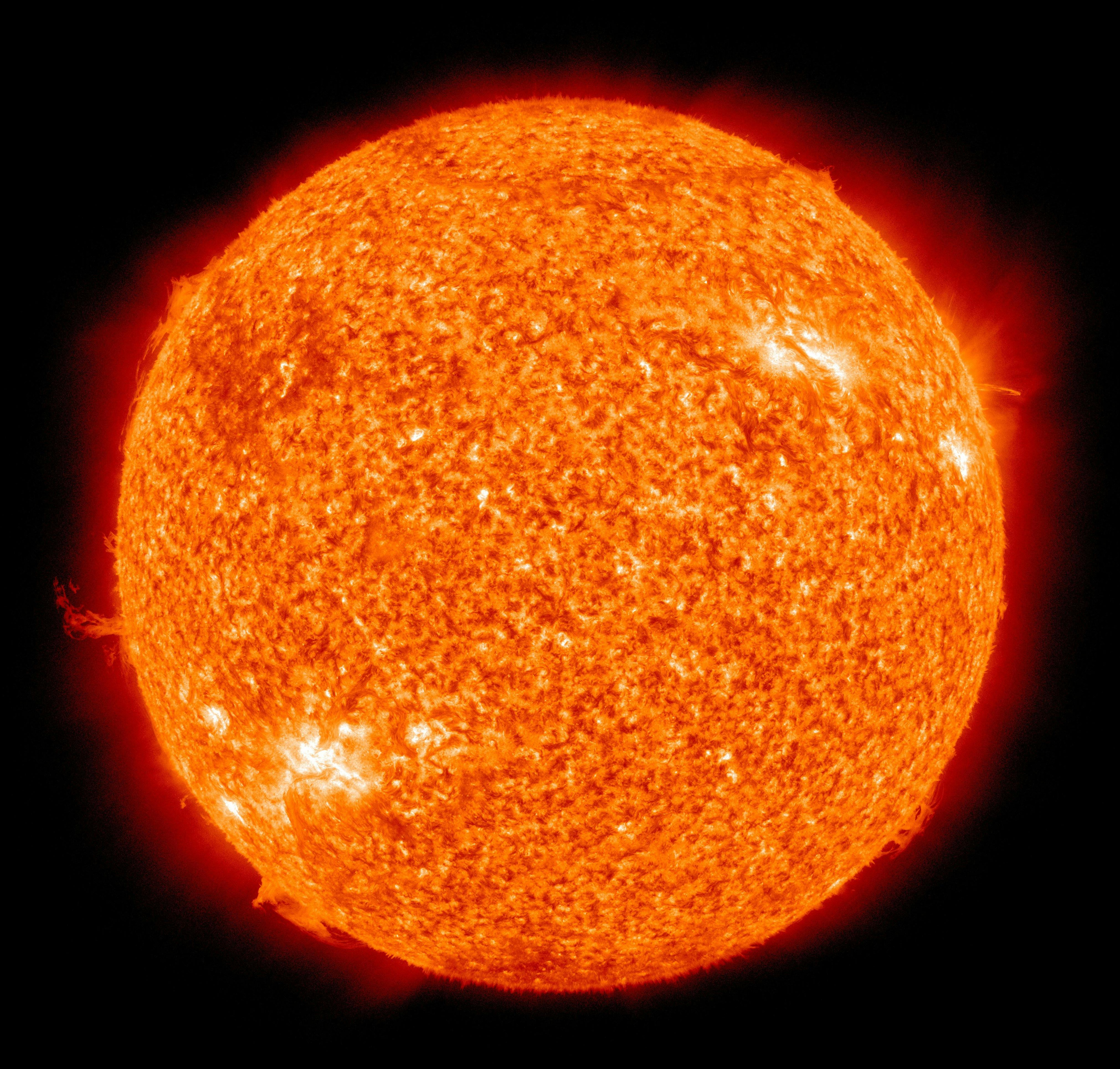
A powerful geomagnetic storm can induce currents in long-distance power lines, potentially overloading transformers. A historical precedent for this is the 1989 Quebec blackout, where a solar storm collapsed the Hydro-Québec power grid in seconds, leaving millions in the dark.
The Vulnerability of Our Digital Infrastructure
Our modern world is more dependent on space-based assets than ever before. High-energy particles from solar flares can interfere with:
- GPS Accuracy: Ionospheric disturbances can lead to “GPS drift,” affecting everything from smartphone navigation to precision farming and aviation.
- Satellite Communications: Solar radiation can damage satellite electronics or cause “single-event upsets,” leading to data loss or total satellite failure.
- High-Frequency Radio: Shortwave radio communications, often used by aircraft in polar regions, can experience complete blackouts during X-class flares.
The Future of Space Weather Forecasting
The goal for the next decade is to move from observation to prediction. Currently, we often find out a solar storm is hitting us after the particles have already left the Sun. However, the integration of AI and machine learning is changing the game.
New models are being developed to analyze real-time telemetry from satellites like the NASA Solar Dynamics Observatory. By using AI to recognise patterns in sunspot rotation and magnetic tension, forecasters hope to provide “early warning” alerts similar to how we track hurricanes.
The Rise of Astrotourism
The increased frequency of auroras is fueling a massive boom in astrotourism. Regions in Canada, Alaska, and Scandinavia are seeing record numbers of visitors. This trend is pushing local economies to develop “Dark Sky Reserves”—protected areas where light pollution is strictly regulated to preserve the view of the cosmos.

As we move forward, we can expect more specialized travel packages that sync with NOAA’s Space Weather Prediction Center forecasts, allowing tourists to time their trips with predicted solar peaks.
Frequently Asked Questions
Q: Can solar storms be dangerous to humans on the ground?
A: No. Earth’s atmosphere and magnetic field protect us from the harmful radiation. The risks are primarily technological, affecting power grids and satellites.
Q: Why can some people see the lights while others can’t in the same city?
A: Light pollution is the biggest factor. Even a small amount of street lighting can wash out a faint aurora. Finding a “dark pocket” away from the city center is key.
Q: How long does a typical aurora event last?
A: Events can range from a few hours to several days, depending on whether the cause is a brief solar flare or a sustained high-speed solar wind stream from a coronal hole.
Join the Conversation
Have you ever witnessed the Northern or Southern Lights? Or are you planning a trip to see them during the Solar Maximum? Share your photos and experiences in the comments below!
Subscribe to our Space Watch newsletter to get real-time alerts on the next big solar event.