

How Your Brain Knows When to Stop Eating: The Role of Astrocytes
For years, the scientific community believed that the signal to stop eating was managed almost exclusively by neurons, the primary signaling cells of the brain. However, new research suggests a far more complex system is at play, involving other types of brain cells that were previously overlooked.
The Hidden Role of Astrocytes in Appetite
Recent findings highlight the importance of astrocytes, which have long been categorized as simple support cells. This study indicates that these cells play a much more active role in regulating appetite than previously understood.
The process takes place in the hypothalamus, the specific region of the brain responsible for controlling hunger and the sensation of satiety. This discovery reveals a previously unknown signaling pathway that could eventually help scientists develop new treatments for eating disorders and obesity.
How the Satiety Signal Works
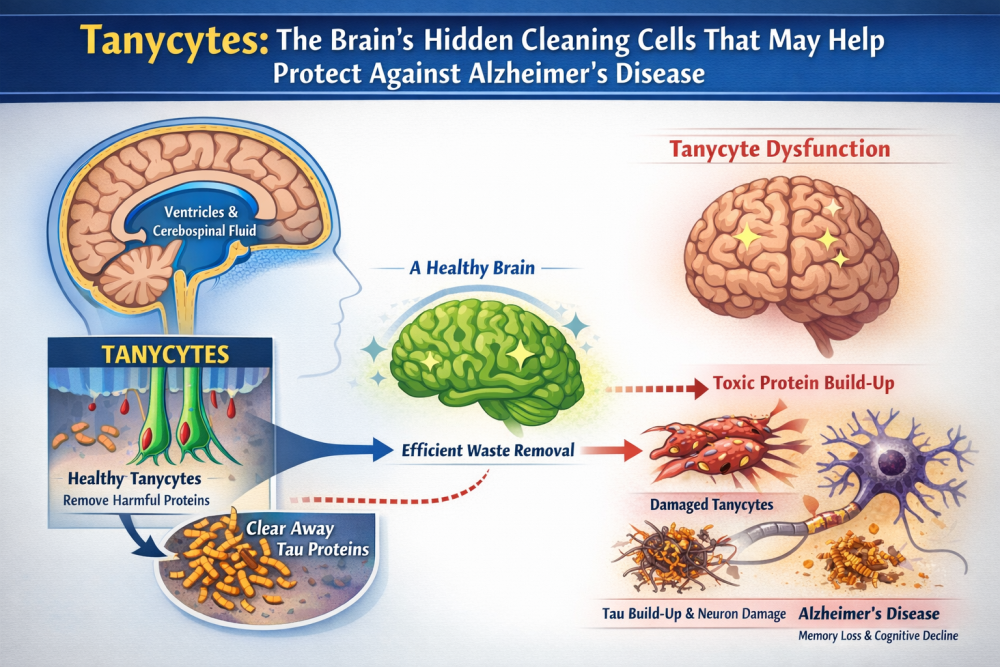
The communication chain begins with specialized brain cells called tanycytes. These cells line a fluid-filled cavity deep within the brain, where they monitor glucose levels as it moves through the cerebrospinal fluid.
Following a meal, glucose levels rise. Tanycytes process this sugar and release lactate, a metabolic byproduct, into the surrounding brain tissue. This lactate then interacts with neighboring astrocytes to trigger the next phase of communication.
Researchers found that astrocytes possess a specific receptor known as HCAR1, which detects lactate. When lactate binds to this receptor, the astrocytes activate and release glutamate, a chemical messenger.
This glutamate signal is then transmitted to the neurons that suppress appetite, ultimately creating the feeling of being full. In one experiment, introducing glucose into a single tanycyte triggered activity in multiple surrounding astrocytes, demonstrating how these signals spread through the brain’s network.
Looking Ahead: Potential Clinical Applications
While this research was conducted using animal models, both tanycytes and astrocytes are present in all mammals, including humans. This suggests that a similar mechanism may be functioning within the human brain.
A possible next step for the research team is to test whether modifying the HCAR1 receptor in astrocytes can influence eating behavior. Such activity is considered essential before any potential therapies can be developed.
At this time, there are no existing medications that directly target this specific signaling pathway.
Frequently Asked Questions
What are tanycytes and what is their role?
Tanycytes are specialized brain cells that line a fluid-filled cavity deep in the brain. They monitor glucose levels in the cerebrospinal fluid and release lactate to signal nearby astrocytes after a meal.
How do astrocytes contribute to the feeling of fullness?
Astrocytes use a receptor called HCAR1 to detect lactate. Once activated, they release glutamate, which signals the neurons responsible for suppressing appetite, leading to satiety.
Could this discovery lead to new medical treatments?
The discovery of this pathway in the hypothalamus may eventually help scientists develop new treatments for conditions such as obesity and eating disorders, although no drugs currently target this pathway.
How do you think a deeper understanding of brain chemistry could change the way we approach metabolic health?