
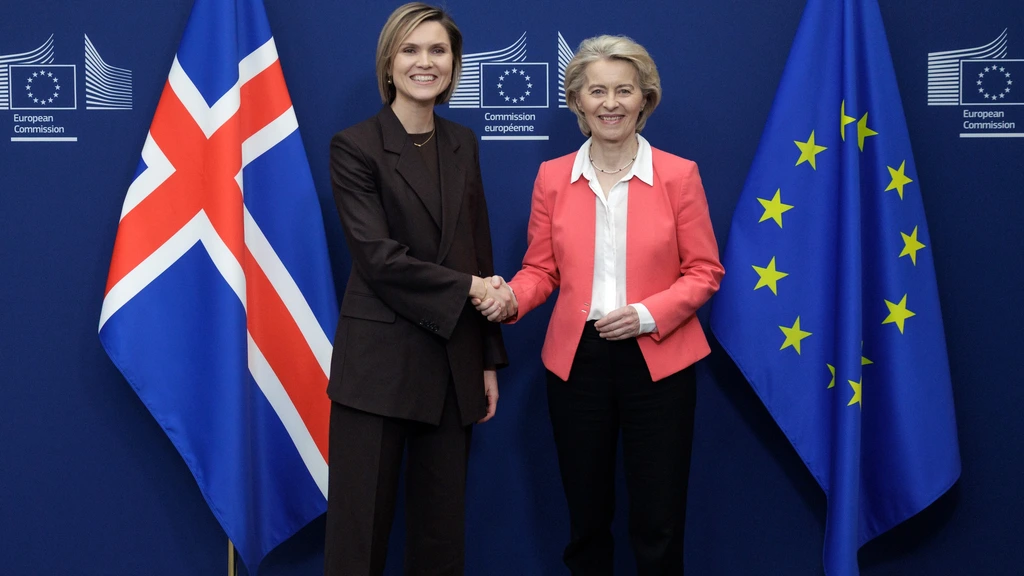
Iceland to Hold Referendum on Resuming EU Membership Talks
Iceland’s parliament has officially approved a referendum to determine if the nation should resume negotiations for membership in the European Union. The vote is scheduled to take place on August 29.
A Strategic Two-Step Approach
The parliamentary decision aligns with a two-step plan proposed by the government. The first phase focuses on whether to restart talks, while a second referendum would be required to approve the final conditions if negotiations lead toward membership.
According to the government, if voters choose “no” in August, the membership negotiations will not be resumed.
Economic and Geopolitical Drivers
Renewed interest in the EU is being driven by current global and domestic pressures. Specifically, the war in Ukraine and the rising costs of daily living have prompted a reconsideration of the union.
Despite not being a member, Iceland maintains close ties with the EU. The country is already part of the Schengen area, which allows for the absence of border controls between Iceland and EU member states.
Potential Obstacles and Timelines
Foreign Minister Thorgerdur Katrin Gunnarsdottir has expressed hope that Iceland could potentially join the EU by 2028. However, she expects that agriculture and fishing will be the most challenging points during any potential negotiations.
Olafur Thordur Hardarson, a professor of political science at the University of Iceland, suggests that many voters are still doubtful about membership. He indicated that the two-step process may be viewed as a positive approach given this uncertainty.
Frequently Asked Questions
When will the referendum be held?
The referendum is scheduled for August 29.
What factors are driving the renewed interest in EU membership?
The renewed interest is attributed to the war in Ukraine and the increasing costs of daily living.
Which sectors are expected to be the most difficult to negotiate?
Foreign Minister Thorgerdur Katrin Gunnarsdottir expects fishing and agriculture to be the most difficult points of negotiation.
Do you believe a phased approach to membership negotiations is an effective way to handle national uncertainty?