
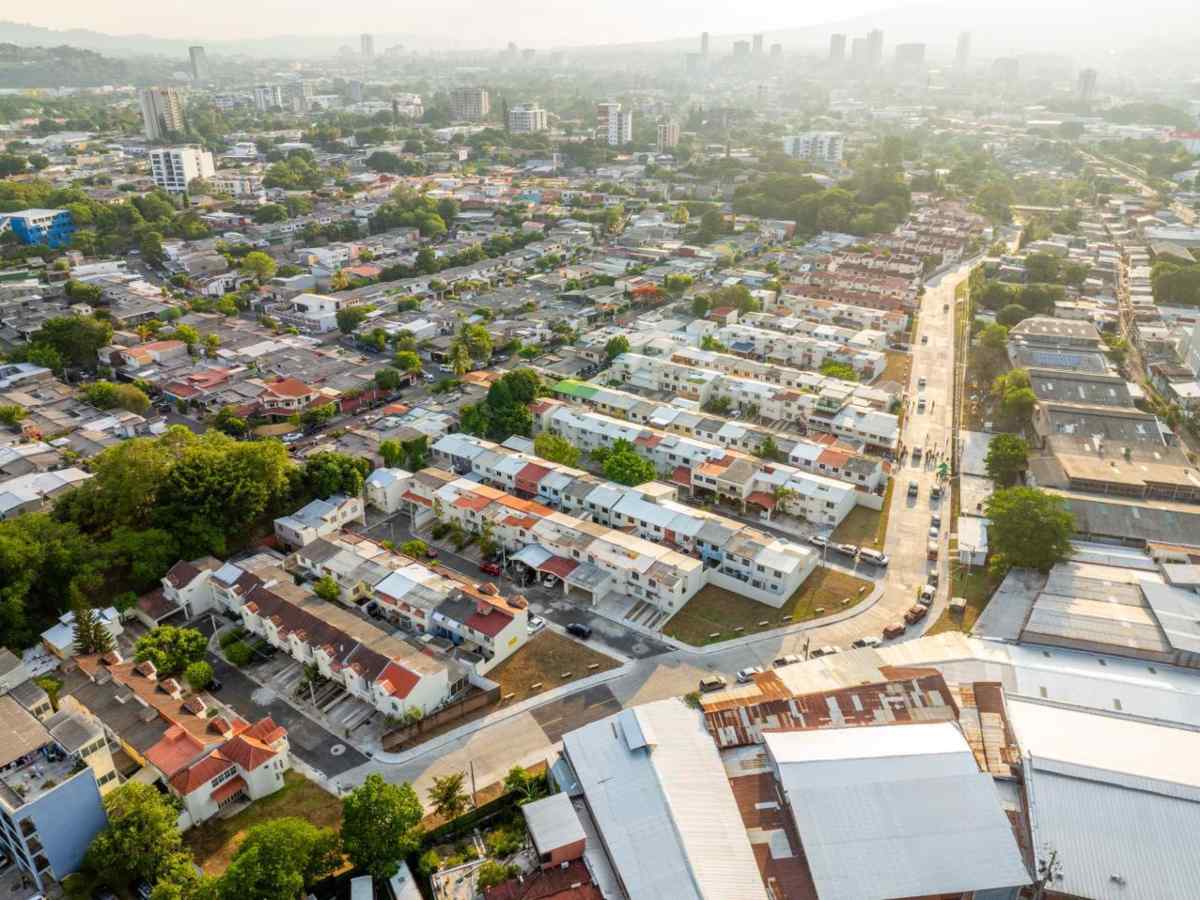
Infrastructure and Risk Mitigation Works Delivered in Brisas de San Francisco
Beyond Concrete: How Modern Urban Resilience is Transforming Vulnerable Communities
For years, the residents of Brisas de San Francisco lived under a literal ticking time bomb. Beneath their feet, an aging, undersized drainage vault threatened to collapse, turning daily life into a gamble against the weather. The recent, comprehensive intervention in this neighborhood serves as a blueprint for a global shift in how we approach urban disaster mitigation.
It’s no longer just about patching holes. it’s about creating “future-proof” infrastructure that integrates public safety with community well-being.
The Shift from Reactive to Proactive Engineering
Historically, urban planning has been reactive—fixing what breaks after a disaster occurs. However, the trend is moving toward resilient infrastructure. The reconstruction of 550 meters of vaulting in San Salvador isn’t just a construction project; it’s a mitigation strategy designed to handle increased hydraulic pressure, accounting for the erratic rainfall patterns caused by climate change.
Infrastructure as a Social Catalyst
Modern urban renewal projects, like the one in Brisas de San Francisco, prove that technical engineering and social support must go hand-in-hand. By not only fixing the drainage but also rehabilitating community centres, playgrounds, and homes, authorities are addressing the social determinants of safety.
According to the World Bank’s Disaster Risk Management framework, successful urban interventions prioritize the “build back better” principle. This involves:
- Financial Assistance: Providing rent subsidies and relocation support ensures that the most vulnerable aren’t displaced by the very projects meant to save them.
- Structural Upgrades: Modernizing housing materials to withstand environmental stressors.
- Community Ownership: Involving residents in the planning process to ensure long-term maintenance of the new facilities.
Did you know?
Did you know that “blue-green infrastructure”—the integration of water management (blue) with vegetation and public spaces (green)—can reduce urban flood risk by up to 30% while simultaneously lowering local temperatures?
Future Trends in Urban Resilience
As cities continue to densify, we are seeing three major trends emerging in global urban development:
- Smart Sensor Integration: Future drainage systems will utilize IoT sensors to monitor water levels in real-time, predicting potential failures before they reach critical levels.
- Modular Infrastructure: Prefabricated, high-capacity components that can be installed faster, reducing the time families spend displaced.
- Holistic Neighborhood Revitalization: Moving away from “siloed” projects (just a pipe or just a road) toward integrated master plans that improve the quality of life alongside structural integrity.
Frequently Asked Questions
- What is meant by “mitigation” in urban planning?
- Mitigation refers to actions taken to reduce or eliminate long-term risks to people and property from hazards, such as floods, landslides, or structural collapses.
- Why is vault reconstruction critical for residential areas?
- Aging vaults often lack the hydraulic capacity to manage modern rainfall levels. Upgrading them prevents sinkholes and foundation instability, which are common causes of property loss.
- How does community involvement improve infrastructure projects?
- When residents are consulted, projects are more likely to meet actual needs, such as lighting for safety or functional recreational spaces, leading to higher project longevity and community pride.
What do you think? Is your community prepared for the next big climate-related infrastructure challenge? Have you seen similar projects in your area that actually made a difference? Share your thoughts in the comments below, or subscribe to our urban development newsletter for more deep dives into how our cities are changing.