
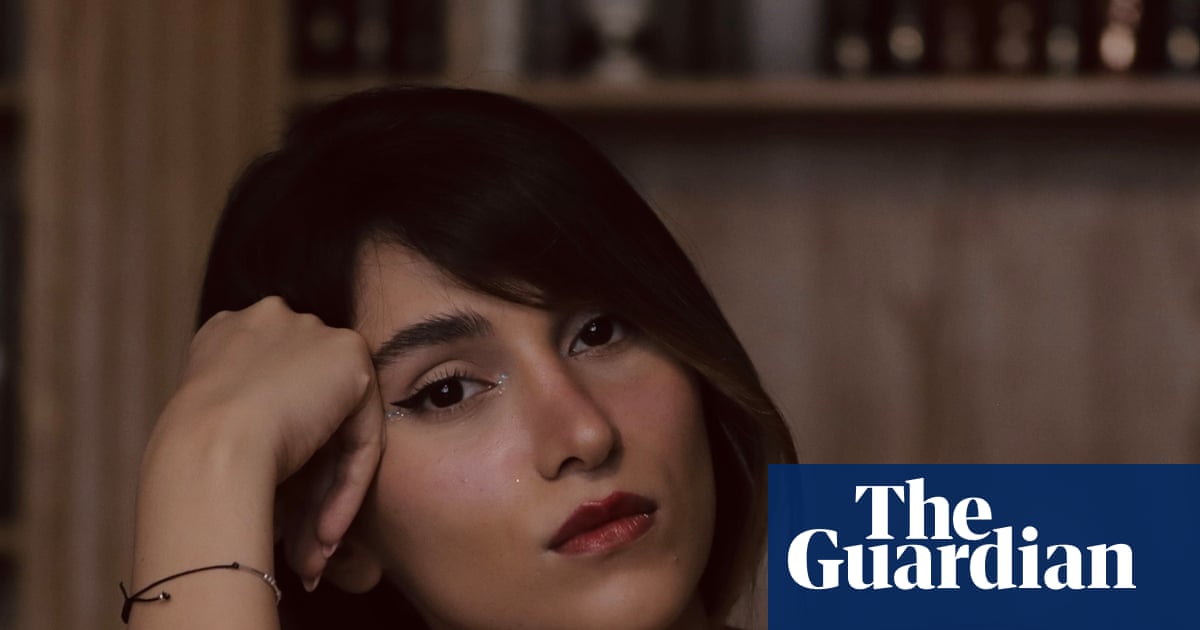
Iranian star Parastoo Ahmadi reportedly sentenced to 74 lashes for singing without hijab | Iran
Parastoo Ahmadi and eight production team members were reportedly sentenced to 74 lashes by the criminal court of Qom province for a 2024 livestreamed concert. According to court documents, the penalties include two-year bans on leaving Iran and engaging in artistic activities following a YouTube performance where Ahmadi appeared without a hijab.
Why was Parastoo Ahmadi sentenced to flogging?
The 29-year-old singer performed the patriotic song “Az Khoone Javanane Vatan” (From the Blood of the Youth of the Homeland) in December 2024. She appeared without a hijab during the livestream, which subsequently went viral and accumulated millions of views on YouTube.
Court documents state the artists were charged with offending public decency through the publication of “vulgar and immoral content” on cyberspace platforms. While the official judiciary news agency has not published the ruling, rights groups and lawyers who reviewed the documents confirmed the sentencing.
What are the legal and human rights implications?
Moein Khazaeli, a human rights lawyer at Dadban, stated the sentence lacks a legal basis because Iranian criminal law does not criminalize women singing or disseminating musical works. He argued these activities cannot reasonably be construed as the publication of “obscene content.”
Khazaeli further noted that flogging is considered a form of torture and inhuman treatment by numerous human rights organizations, raising concerns about international obligations to safeguard human dignity.
Bahar Ghandehari, director of advocacy at the US-based Center for Human Rights in Iran, said the punishment highlights a gap between the Iranian authorities’ propaganda efforts and the reality of human rights conditions in the country.
How are other artists reacting to the ruling?
Iranian-British actor Nazanin Boniadi described the sentencing as a reminder that the “machinery of repression” remains unchanged. Boniadi stated that accommodating a regime that flogs women for their voices only emboldens its path.
Actress Setareh Maleki, who lives in exile, told the Guardian that Ahmadi’s performance reignited her own spirit of resistance. Maleki said she felt proud that Ahmadi refused to give up her right to be heard despite the known consequences.
What could happen next for Iranian artists?
The ruling may lead to escalating fears of cultural repression among artists remaining in Iran. Because the case reflects a broader effort to deter dissent, other performers might face similar legal scrutiny for defying regime standards.

Future artistic expressions on cyberspace platforms could be more heavily monitored, as the court has already established a precedent for penalizing “immoral content” delivered via livestream.
Frequently Asked Questions
What were the specific penalties for Parastoo Ahmadi and her team?
They were sentenced to 74 lashes, a two-year ban on leaving the country, and a two-year ban on artistic activities.
What song did Parastoo Ahmadi perform during the livestream?
She performed the patriotic song “Az Khoone Javanane Vatan” (From the Blood of the Youth of the Homeland).
Has the Iranian judiciary officially announced the ruling?
No, the official judiciary news agency has yet to publish the ruling, though lawyers and rights groups have reviewed the court documents.
Do you believe international pressure can influence the legal treatment of artists in restrictive regimes?