
Iran’s Multi-Layered Crisis: Maritime Security, Nuclear Diplomacy, and Energy Markets
Iran is leveraging its control over the Strait of Hormuz—threatening both oil flows and undersea fiber-optic cables—to offset a crippling economic blockade. According to geopolitical consultant Norman Roule, this strategy aims to force the U.S. into nuclear concessions while maintaining regional proxy networks like Hezbollah to ensure regime survival.
Why is the Strait of Hormuz the new primary battleground?
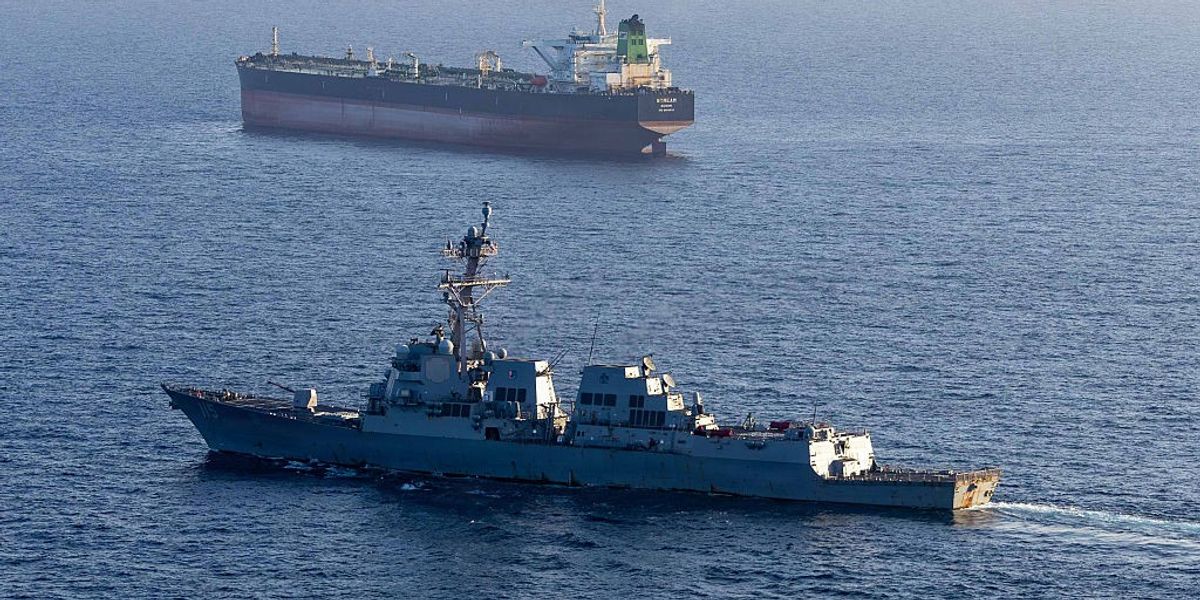
The conflict has shifted from open hostilities to a “lower-intensity battlespace” because neither Washington nor Tehran wants a full-scale war. According to Norman Roule, a former CIA official and current consultant, the Strait of Hormuz provides the perfect leverage point. It allows both sides to apply pressure without triggering a total regional collapse.
Iran’s strategy isn’t just about oil. Roule points out that the Strait houses at least seven major undersea fiber-optic cables. These cables are the nervous system for the Gulf states’ banking, military communications, and AI workloads. By threatening this digital infrastructure, Tehran isn’t just targeting energy—it’s targeting the fintech and cloud-computing ambitions of the GCC states.
While the U.S. Navy continues to destroy Iranian drones and strike coastal radar to keep shipping lanes open, the tension remains brittle. Iran knows that even a few sporadic attacks keep insurance rates prohibitively high, effectively choking trade without needing a full naval blockade.
How is the economic blockade actually hurting Iran?
The numbers tell a grim story for Tehran. According to Roule, Iran’s oil exports have plummeted from previous estimates of 1.4 to 1.8 million barrels per day (bpd) to well below 300,000 bpd. Since oil and gas exports typically account for roughly 15% of Iran’s GDP, this collapse is devastating.
The domestic fallout is immediate. The Iranian rial’s open-market rate has hovered around 1.7 million per dollar. This currency devaluation, paired with rising unemployment and inflation, creates a cumulative political cost. Roule notes that this economic erosion fuels nationwide unrest, similar to the protests seen in December and January.
To survive, Tehran is attempting “trade leakage” through Pakistan, Turkey, and rail routes. However, these land-based alternatives can’t replace the scale of seaborne crude exports to China. This desperation is likely why Iran continues to pressure ships to pay “passage fees” to Iranian-controlled entities—a move the U.S. has countered with strict sanctions.
Will a nuclear deal or MOU actually stop the proxies?
There’s a common misconception that a Memorandum of Understanding (MOU) would instantly stabilize the region. Roule argues the opposite: an MOU is merely the start of a complex, high-distrust process. The core issue is that Iran refuses to abandon domestic enrichment or disband the Quds Force.
The relationship between the Iranian regime and Hezbollah is particularly critical. Roule describes Hezbollah as a “core national security pillar.” If the proxy network in Lebanon falls, the current regime in Tehran loses its claim to regional success. This makes the “Israel-Lebanon track” a volatile variable that the U.S. cannot fully control through nuclear diplomacy alone.
Any agreement would likely involve a “confidence-building stage” where financial relief is disbursed. However, the risk remains that Iran uses these funds to further fuel missile proliferation or proxy activities, leading back to a cycle of sanctions and military strikes.
What happens to global oil prices if the crisis escalates?
Energy markets are currently experiencing a “physical market premium” rather than a total “panic premium.” According to Roule, the impact of recent escalations was less severe than predicted because energy sources are more diversified than they were a decade ago.
Production increases from the U.S., Brazil, and Guyana, along with strategic reserve releases, have provided a buffer. Additionally, Saudi Arabia and the UAE’s pre-crisis investments in infrastructure allowed them to ramp up production quickly. This diversification means a single spark in the Strait of Hormuz is less likely to cause a 1970s-style oil shock.
However, price distortions will linger. Even if a ceasefire is signed tomorrow, it would take weeks for the backlog of ships to clear Gulf ports and for insurance underwriters to lower costs. For Europe and Asia, who have already faced steep price increases, the recovery will be slow.
Comparison: Panic Premium vs. Physical Premium
| Feature | Panic Premium | Physical Premium |
|---|---|---|
| Driver | Fear of immediate total shutdown | Actual shipping delays & insurance costs |
| Duration | Short-term spike | Lingers after diplomatic agreements |
| Mitigation | Diplomatic announcements | Normalization of transponder use & logistics |
Frequently Asked Questions
Does the U.S. have a plan to protect the Strait of Hormuz?
Yes. According to Roule, the U.S. Navy provides informal protection to ships moving through Omani waters and has demonstrated a zero-tolerance policy toward Iranian threats by destroying drones and radar assets.

Why is Iran focused on Lebanon specifically?
Hezbollah is viewed by the IRGC as a primary tool for regional dominance. The regime believes that losing its grip on Lebanon would signal a failure of its national security doctrine.
Will sanctions eventually collapse the Iranian government?
While sanctions cause significant “economic erosion” and domestic unrest, the regime uses asymmetric tools—like proxy attacks and maritime threats—to force the West to lift those sanctions.
What do you think? Is the U.S. placing too much emphasis on nuclear diplomacy while ignoring the proxy threat in Lebanon? Let us know in the comments below or subscribe to our newsletter for more deep-dives into geopolitical security.