
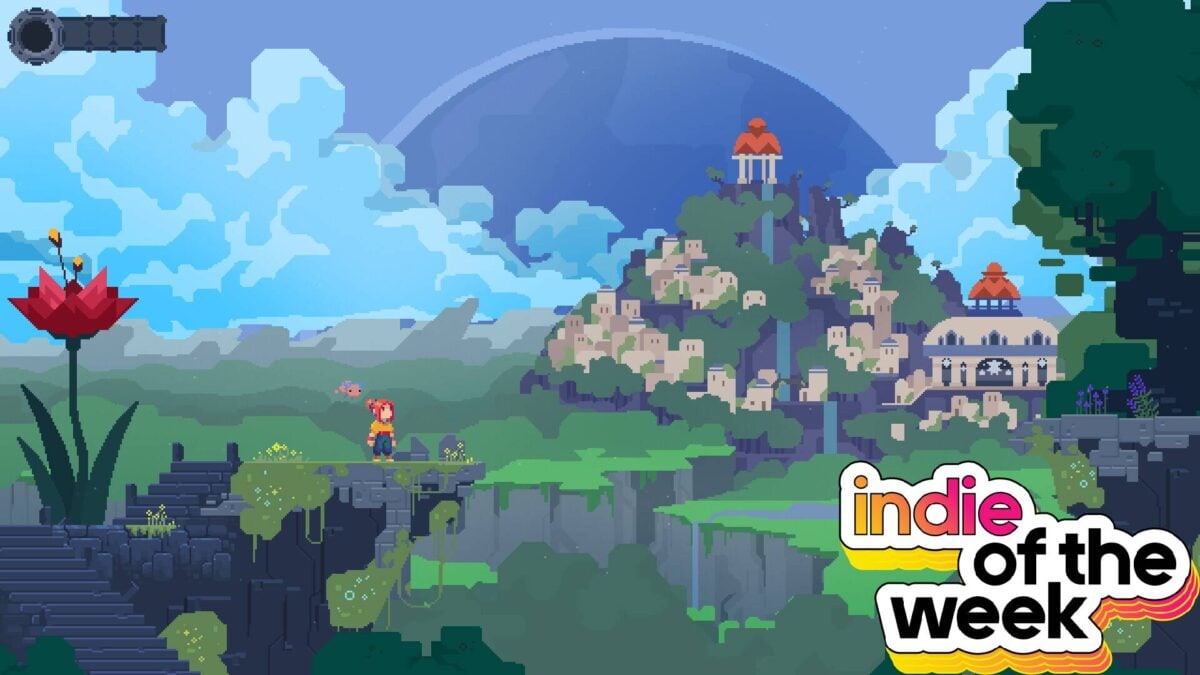
This Spirited New Puzzle Platformer Puts A Clever Spin On Celeste
Tethergeist, developed by O. and Co. Games and Out of Space Games, utilizes a unique astral projection tether mechanic to explore themes of disability and capability. By combining precision platforming with instant respawns, the game follows a design trend popularized by titles like Celeste to make high-difficulty puzzles accessible to a wider audience on PC and Nintendo Switch.
How does Tethergeist evolve the precision platformer genre?
The title shifts the focus from traditional movement—such as the dash mechanic found in Celeste—to a spatial relationship between two entities. The protagonist, Mae, projects a spirit that remains tied to her physical body by a tether. According to game details, this tether limits how far the spirit can travel, forcing players to coordinate the position of both forms to bypass obstacles.
This approach introduces a “pull” mechanic. When Mae’s spirit passes through thorns or crystals that her physical body cannot, breaking the meditation yanks the physical body to the spirit’s location. This evolution suggests a trend toward “dual-state” platforming, where the challenge lies in managing two separate but linked positions on a map rather than just timing a single jump.
Why is “mechanic-as-metaphor” becoming a standard for indie storytelling?
Modern indie developers are increasingly using gameplay constraints to mirror narrative themes. In Tethergeist, the tether is not just a puzzle tool; it represents Mae’s difference within a community where others project freely. The game uses this limitation to tell a story about disability and the effort required to prove capability despite differing physical or spiritual constraints.
This mirrors a broader industry shift where narrative is delivered through “feel” rather than dialogue. By making the player struggle with the tether to progress, the developer creates an empathetic link between the player’s frustration and the character’s social struggle. This method moves beyond traditional cutscenes, integrating the plot directly into the player’s mechanical mastery.
What happens when high difficulty meets forgiving design?
The “hard but fair” philosophy is becoming a blueprint for the genre. Tethergeist implements a system of localized puzzles and unlimited lives, where death results in an immediate respawn at the start of the current screen. This removes the “punishment” of losing progress while maintaining the “challenge” of execution.
Comparing this to older platformers, the focus has shifted from endurance to iteration. Players are encouraged to fail rapidly and learn the pattern of a screen—such as the timing of jutting spikes or the movement of projection-only platforms—until the execution is perfect. This design allows developers to create “marathon” sequences of 10 or more obstacles without risking player burnout.
How do collectible systems drive exploration in precision games?
The inclusion of hidden red flowers in Tethergeist serves a dual purpose: they provide an optional “hard mode” for skilled players and incentivize backtracking. This system, similar to the strawberries in Celeste, creates a tiered reward structure. Some collectibles are hidden in the environment, while others require complex use of the astral projection mechanics to reach.

This trend indicates that players are no longer satisfied with just reaching the end of a level. There is a growing demand for “mastery markers”—items that prove the player has fully understood and exploited the game’s mechanics. This keeps the game evergreen, as players return to previously cleared areas once they have mastered new abilities, such as wall-kicking or using launch-jellyfish.
Frequently Asked Questions
The game is currently available on PC and the Nintendo Switch.
Yes. While it features challenging puzzles, the unlimited lives and instant respawn system make it accessible to those who are not used to high-difficulty games.
The core hook is the astral projection tether, which allows the player to move a spirit through obstacles to pull their physical body across the map.
What do you think about the use of gameplay mechanics to tell stories about disability? Let us know in the comments, or subscribe to our newsletter for more deep dives into indie game design.