
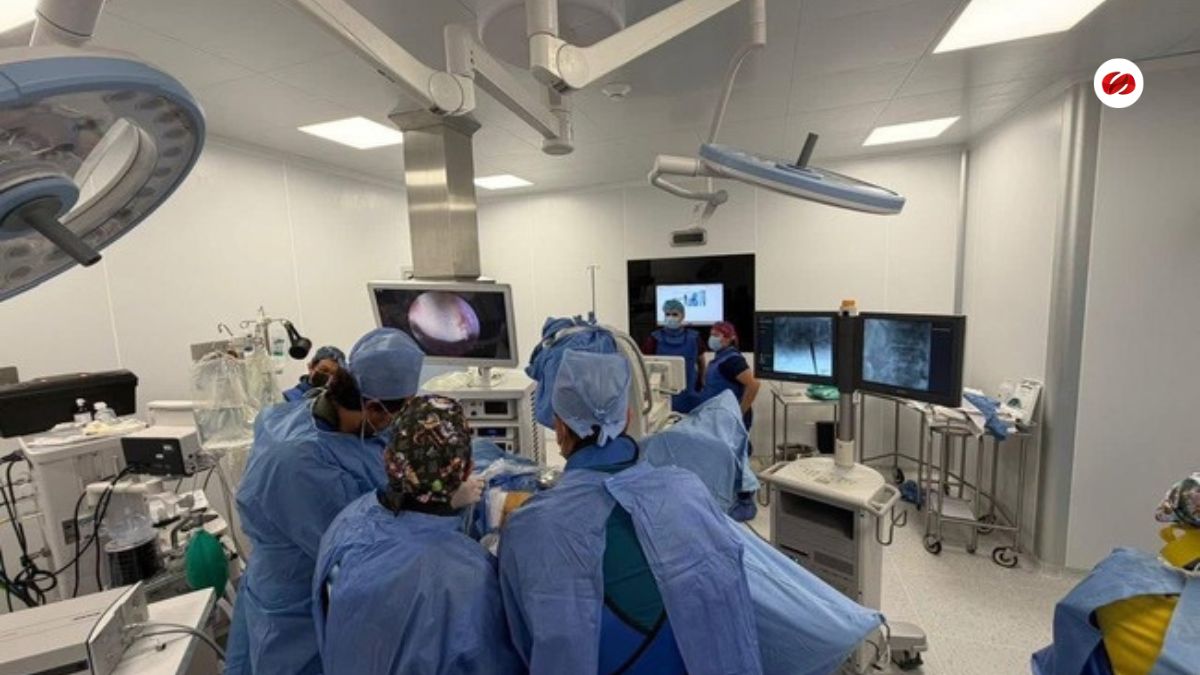
ISSSTE Performs Advanced Robotic Urology Surgeries in Torreón
ISSSTE provided urological and robotic surgery services to 34 patients at the Hospital Regional de Alta Especialidad (HRAE) in Torreón, Coahuila, between May 27 and 29. The institute reported that the event included eight robotic uro-oncological procedures and 26 laparoscopic surgeries for residents of Coahuila, Sinaloa, and Durango.
The patient group consisted of 26 men and eight women. According to ISSSTE, the medical teams treated 15 cases of prostate growth, 11 instances of urinary tract stones, six cases of prostate cancer, and two renal tumors.
How was the Da Vinci robot used in these surgeries?
Medical specialists used the Da Vinci robot specifically for prostate cancer interventions. ISSSTE stated this technology provides greater precision during procedures and lowers the risk of complications compared to conventional surgery.
The institute noted that robotic surgery also helps reduce post-operative pain. These interventions were part of the eight uro-oncological procedures performed at the HRAE in Torreón.
Which medical facilities collaborated on the event?
The event concentrated medical capabilities from three different ISSSTE units. Specialists in urology, endourology, robotic urological surgery, and anesthesiology participated from the HRAE in Torreón, the HRAE “Dr. Manuel Cárdenas de la Vega” in Culiacán, Sinaloa, and the Hospital General “Dr. Santiago Ramón y Cajal” in Durango.
This multi-state collaboration allowed the institute to bring advanced procedures to its beneficiaries by pooling specialized teams from different entities.
What are the outcomes of minimally invasive urological surgery?
The medical teams used high-technology tools to avoid open incisions. For prostate procedures, doctors employed laser and endoscopic equipment, while endourology machines were used for urinary tract pathologies.
According to the institute, these minimally invasive techniques directly reduced the time patients spent in the hospital. This approach allowed for faster medical discharge while safeguarding patient wellbeing.
What may happen next for these medical services?
The success of this regional collaboration could lead to more frequent specialized surgical events across different ISSSTE facilities. It is possible that the institute may further expand the use of robotic technology to other uro-oncological conditions.
Future initiatives might also include broader participation from other states to increase the number of beneficiaries receiving vanguard medical care.
Frequently Asked Questions
How many patients were treated during the urology event?
ISSSTE treated 34 patients, including 26 men and eight women from Coahuila, Sinaloa, and Durango.
What specific conditions were treated during the May 27-29 period?
The procedures addressed 15 cases of prostate growth, 11 cases of urinary tract stones, six cases of prostate cancer, and two renal tumors.
What technology was used for prostate cancer patients?
Doctors used the Da Vinci robot, which ISSSTE claims offers higher precision and reduces post-operative pain and complications.
How do you feel about the use of robotic technology in regional healthcare?