

Journalist Ordered to Prison for Defaming Carla Zambelli
Judge José Fernando Steinberg of the São Paulo Court of Justice (TJSP) has ordered the imprisonment of journalist Luan Araújo under an open-regime sentence. The ruling converts a previous restrictive sentence into a custodial one, following the journalist’s failure to pay a court-ordered fine stemming from a defamation conviction involving former federal deputy Carla Zambelli.
The original legal action was prompted by social media posts in which Araújo described the then-parliamentarian as part of a “mean, malicious extreme right that is a merchant of death.” While the initial sentence permitted a pecuniary payment, the court stated that the fine remained unpaid despite formal notification.
Legal Implications and defence Arguments
In his decision, Judge Steinberg cited Article 44, § 4º of the Penal Code, noting that the failure to fulfill the imposed pecuniary obligation necessitated the conversion of the sentence to a privative one. The court’s move to enforce the penalty has prompted an immediate response from the defence.
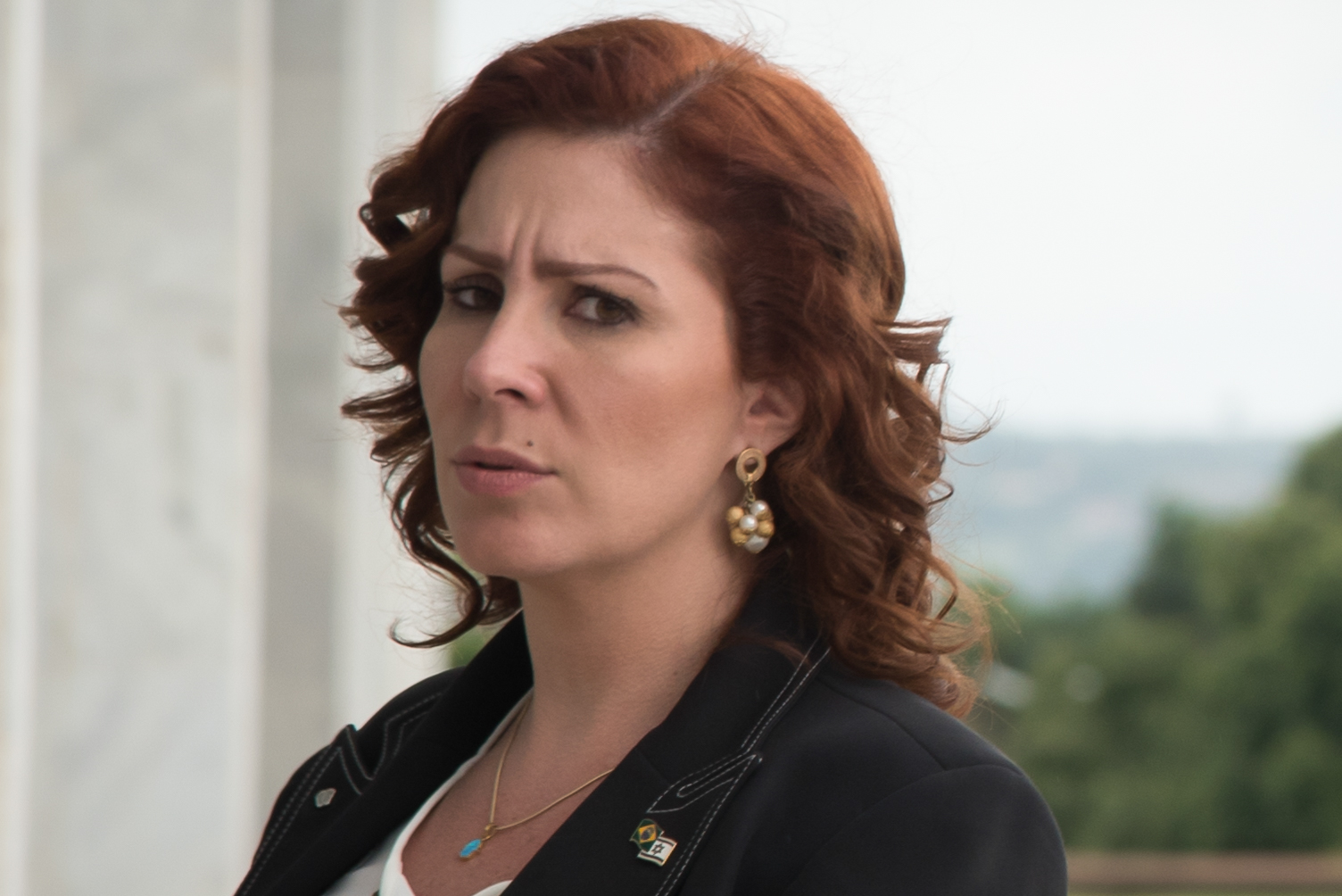
Attorney José Luiz de Oliveira Junior, representing Araújo, has filed a request for a habeas corpus. The defence contends that the journalist is in a state of “proven economic insufficiency” and argues that the judicial order effectively constitutes imprisonment for debt, a practice prohibited by the Brazilian legal framework.
The legal battle between Luan Araújo and Carla Zambelli has historical roots in a 2022 pre-election confrontation where the then-deputy pursued the journalist while brandishing a firearm, a case that eventually reached the Supreme Federal Court (STF).
The intersection of defamation law and financial capacity creates a complex legal tension. Samantha Carter notes that the core of this dispute lies in whether the state can prioritize the enforcement of a punitive fine over an individual’s inability to pay, which remains a critical point of contention in modern judicial proceedings.
Potential Next Steps
The outcome of this case now rests on the outcome of the habeas corpus petition. Should the higher court accept the defence’s argument regarding financial hardship, the imprisonment order could be suspended or reviewed. Conversely, if the court upholds the initial ruling, Araújo may be required to serve the sentence as determined by Judge Steinberg.
This development occurs against a backdrop of ongoing legal turbulence for the parties involved. In 2025, the Supreme Federal Court (STF) sentenced Carla Zambelli to five years and three months in prison for illegal possession of a firearm and illegal constraint, following a 9-2 majority vote based on video evidence and testimony.
Frequently Asked Questions
Why was Luan Araújo’s sentence converted to a custodial one?
The judge converted the sentence because Araújo failed to pay the pecuniary fine imposed by the court, even after being duly notified.
:strip_icc()/i.s3.glbimg.com/v1/AUTH_da025474c0c44edd99332dddb09cabe8/internal_photos/bs/2025/t/q/M9WwQtRIS0cXRukfO5BA/carla-zambelli.jpg "Brazil Judge Carla Zambelli prison sentence")
What is the defence’s main argument against the imprisonment?
The defence argues that the journalist lacks the economic means to pay the fine and that the detention constitutes imprisonment for debt, which they assert is forbidden by Brazilian law.
What was the basis of the defamation conviction?
The conviction originated from social media posts in which Araújo labeled the then-deputy Carla Zambelli as part of a “mean, malicious extreme right that is a merchant of death.”
How do you believe the judicial system should balance financial penalties with an individual’s proven economic limitations?