

Kenyans Protest Proposed US Ebola Quarantine Center
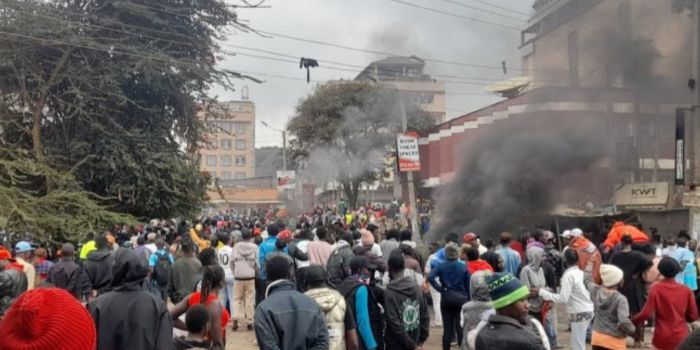
On June 1, 2026, hundreds of demonstrators gathered in Nanyuki, in central Kenya, to protest a proposed United States-led project to establish a quarantine facility for American citizens potentially exposed to the Ebola-Bundibugyo virus. The proposed site, located near the Laikipia military base approximately 190 kilometers north of Nairobi, has become the center of a growing national debate over public health and sovereignty.
The Conflict Between Regional Readiness and Public Safety
The controversy stems from a fundamental disagreement regarding the management of high-risk medical threats. While the Kenyan Minister of Health has argued that the facility is necessary to bolster regional surveillance, isolation, and emergency response capabilities, local residents have expressed significant alarm.
Protesters in Nanyuki have voiced a clear sentiment: if the potential presence of the virus is deemed too dangerous for American personnel, they believe it poses an equivalent risk to the local population. This tension is further complicated by the recent renegotiation of U.S. Aid packages directed toward the Kenyan healthcare system.
Implications and Potential Outcomes
The legal status of the site remains in flux as the High Court of Nairobi prepares to review a complaint filed by a civil society organization. The court’s current injunction serves as a critical hurdle for the project, which was originally intended to house 50 beds for American patients.
Looking ahead, the situation could evolve in several ways. If the court upholds its prohibition, the existing medical equipment and personnel brought to the base may be forced to withdraw. Conversely, if the government successfully argues the necessity of the facility for regional health security, it may face continued civil resistance and further legal challenges. The ultimate resolution will likely depend on the High Court’s upcoming findings regarding the scope of the state’s authority to host such specialized quarantine zones.
Frequently Asked Questions
Why are the residents of Nanyuki protesting?
Local residents are protesting the establishment of a quarantine facility for Americans exposed to the Ebola-Bundibugyo virus, arguing that if the virus is considered too dangerous for Americans, it is also too dangerous for the local Kenyan population.
What is the current legal status of the quarantine facility?
The High Court of Nairobi has issued an order forbidding the Kenyan state from creating or operating any isolation, treatment, or quarantine facility related to Ebola. A formal complaint regarding the project is currently pending before the court.
What was the intended purpose of the facility according to the Kenyan government?
The Kenyan Minister of Health stated that the facility was intended to serve as a regional hub to strengthen emergency response, surveillance, and isolation capabilities.
How should nations balance the need for regional pandemic preparedness with the concerns of local communities?