
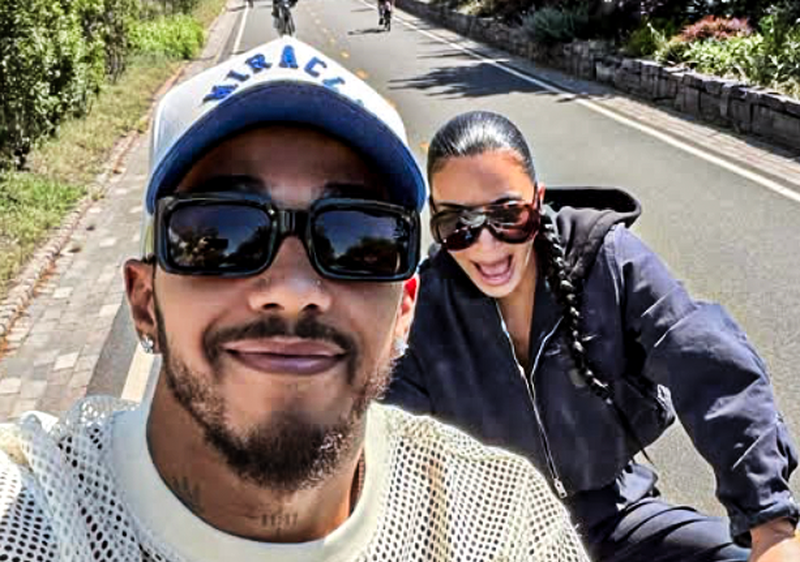
Lewis Hamilton and Kim Kardashian Spark Romance Rumors in New York
When a seven-time Formula 1 World Champion and a global mogul of reality television are spotted cycling through New York City, it is rarely just a casual outing. The recent social media “breadcrumbs” dropped by Kim Kardashian regarding her time with Lewis Hamilton signal more than just a celebrity romance; they highlight a sophisticated shift in how the world’s most influential figures manage their public image and brand synergy.
We are witnessing the evolution of the “Power Couple” 2.0—a strategic merger of athletic prestige and digital influence that transcends traditional fame.
The Art of the “Soft Launch”: Social Media as a Narrative Tool
Gone are the days of the official press release or the exclusive “tell-all” interview to confirm a relationship. In the modern era, the “soft launch” has become the gold standard for high-profile couples. By posting a vague gallery of photos where a partner is barely visible or mentioned in a cryptic caption, celebrities create a vacuum of information that the public is eager to fill.
This strategy does three things: it maintains a shred of privacy, generates massive organic engagement through speculation, and allows the couple to test the public’s reaction before fully committing to a public narrative. When Kim Kardashian shares a glimpse of Hamilton within a family-centric post, she isn’t just sharing a photo; she is signaling a shift in status.
For athletes like Hamilton, who have already transitioned from being “just drivers” to global fashion and activism icons, this approach fits perfectly into a curated lifestyle brand. It keeps the audience engaged between races, ensuring the athlete remains a household name even during the off-season.
The Convergence of High-Octane Sports and Global Pop Culture
The intersection of Formula 1 and the Kardashian-Jenner orbit is not a coincidence. It is a reflection of F1’s aggressive expansion into the North American market. The “Netflix effect” from Drive to Survive has transformed drivers into protagonists of a global drama, making them more compatible with the world of reality TV and high fashion than ever before.
This convergence creates a powerful feedback loop. F1 brings a sense of elite prestige and technical mastery, while pop culture icons bring an army of Gen Z and Millennial followers who might not have previously cared about tire compounds or aerodynamics. Here’s the same blueprint used by Forbes-listed power couples like David and Victoria Beckham, who successfully pivoted from “athlete and pop star” to a global luxury brand empire.
The “Halo Effect” in Sponsorships and Marketability
From a business perspective, these pairings create a “Halo Effect.” When a driver is associated with a fashion mogul, their appeal to luxury brands—such as Ferrari, Armani, or LV—skyrockets. Conversely, the pop culture icon gains “sporting credibility” and access to the exclusive, high-net-worth circles of the Paddock.

We can expect future trends to move toward “Brand Ecosystems,” where couples co-launch ventures that blend their strengths. Imagine a high-performance athleisure line or a luxury travel series that blends the adrenaline of racing with the glamour of the jet-set lifestyle.
The New Blueprint for Athlete Branding
Lewis Hamilton has long been a pioneer in this space, breaking the mold of the stoic athlete. By aligning with figures across music, art, and fashion, he has built a “future-proof” career. Whether he is winning championships or navigating the social circles of New York’s elite, the brand remains consistent: luxury, excellence, and boundary-pushing.
The trend moving forward is the “Polymath Athlete.” We will see more sports stars diversifying their portfolios into venture capital, media production, and high-fashion consultancy. The relationship with a figure like Kardashian isn’t just a personal choice; it’s a masterclass in cross-platform visibility.
For more on how elite athletes manage their public personas, check out our guide on modern athlete branding strategies or explore the latest trends in the F1 lifestyle.
Frequently Asked Questions
Why is the “soft launch” so effective for celebrities?
It creates curiosity and drives social media algorithms. By providing limited information, celebrities encourage fans to analyze every detail, which increases comments, shares, and overall visibility.
How does F1 benefit from celebrity associations?
It expands the sport’s demographic reach. By associating with pop culture icons, F1 attracts a younger, more diverse audience that views the sport as a lifestyle brand rather than just a technical competition.
Is this a common trend among other athletes?
Yes. From NBA stars to European footballers, there is a growing trend of athletes partnering with influencers and entrepreneurs to build diversified business empires that outlast their playing careers.
What do you think? Is the merger of sports and celebrity culture enhancing the game or distracting from the talent? Let us know your thoughts in the comments below or subscribe to our newsletter for more deep dives into the intersection of fame and fortune!