

Maine Weather Forecast: Rain Tomorrow and Warming Trend Ahead
Maine is transitioning from a period of drought and erratic showers into a significant warming trend, with temperatures expected to climb into the 80s. According to Meteorologist Patrick Smith, recent scattered rainfall is critical for regional drought recovery, though short-term volatility—including late-night thunderstorms—remains a primary factor for coastal and inland areas.
How does the current rain pattern help Maine’s drought recovery?
Measurable rainfall, even in scattered bursts, serves as a lifeline for Maine’s soil and groundwater levels. While some areas see more activity than others, the cumulative effect is what matters most for long-term recovery. According to Meteorologist Patrick Smith, the current weather patterns are making “a lot of progress” in pushing the region out of drought conditions.
The impact isn’t uniform across the state. For instance, York County often sees higher precipitation totals during these systems due to its coastal positioning and the movement of thunderstorm cells. In contrast, higher elevations like Rangeley typically experience cooler temperatures and different precipitation volumes, often staying 10 to 15 degrees lower than coastal hubs like Kittery.
Why do temperatures rise during cloudy nights?
It seems counterintuitive that a cloudy night would be warmer than a clear one, but it comes down to the “blanket effect.” When cloud cover moves in, it traps the heat radiating from the earth’s surface, preventing it from escaping into the atmosphere.
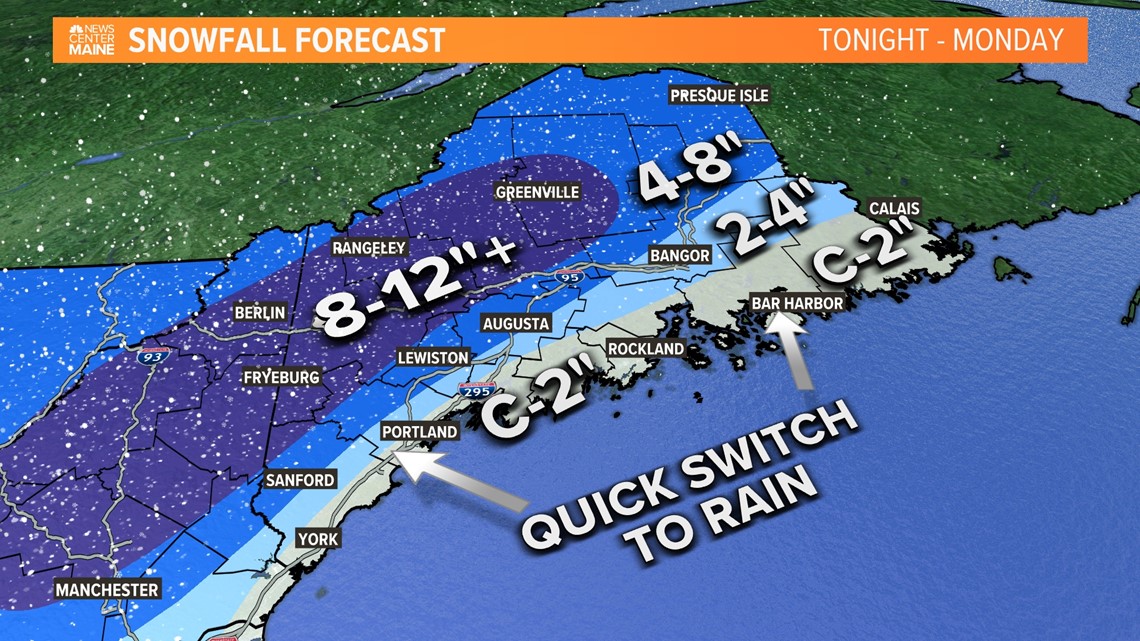
We see this in the current data: temperatures in Portland and Kittery stay higher into the evening because of this insulation. Without that cloud cover, the heat would dissipate rapidly, leading to a much sharper drop in overnight lows. This atmospheric trapping is a key driver in the transition toward the “summery temps” that typically define the New England late-spring and early-summer shift.
What happens during a rapid warming trend?
A warming trend occurs when a high-pressure system settles in, pushing colder air masses north and allowing warmer, more humid air to flow in from the south. In Maine, this often manifests as a jump from the mid-60s to the low-80s within a matter of days.
This shift isn’t just about the thermometer; it changes the entire local ecosystem. Rapid warming can trigger a growth spurt in vegetation, but if the preceding drought wasn’t fully broken by rains—like those seen in York County—it can put stress on local flora. According to National Weather Service standards, these fluctuations are common in the Northeast, where maritime air clashes with continental air masses.
How to handle unpredictable “scattered shower” forecasts?
The term “scattered showers” is often the most frustrating part of a forecast because it implies a lottery system of rain. One neighborhood might get a downpour while another stays bone-dry.
To manage this, look at the storm tracker. When thunderstorm cells are identified—such as those moving through York County—the timing is usually more precise. If a cell is projected for 10 p.m., the window of impact is narrow. For the rest of the day, “scattered” means you should plan for outdoor activities but keep a backup indoor option ready.
For more on how to track local cells, check out our guide on using real-time radar tools for Maine residents.
Frequently Asked Questions
Will the warming trend last?
Typically, these trends persist until a new cold front pushes through from Canada. Once temperatures hit the 80s with consistent sunshine, the region enters a more stable summer pattern.
Is the rain enough to end the drought?
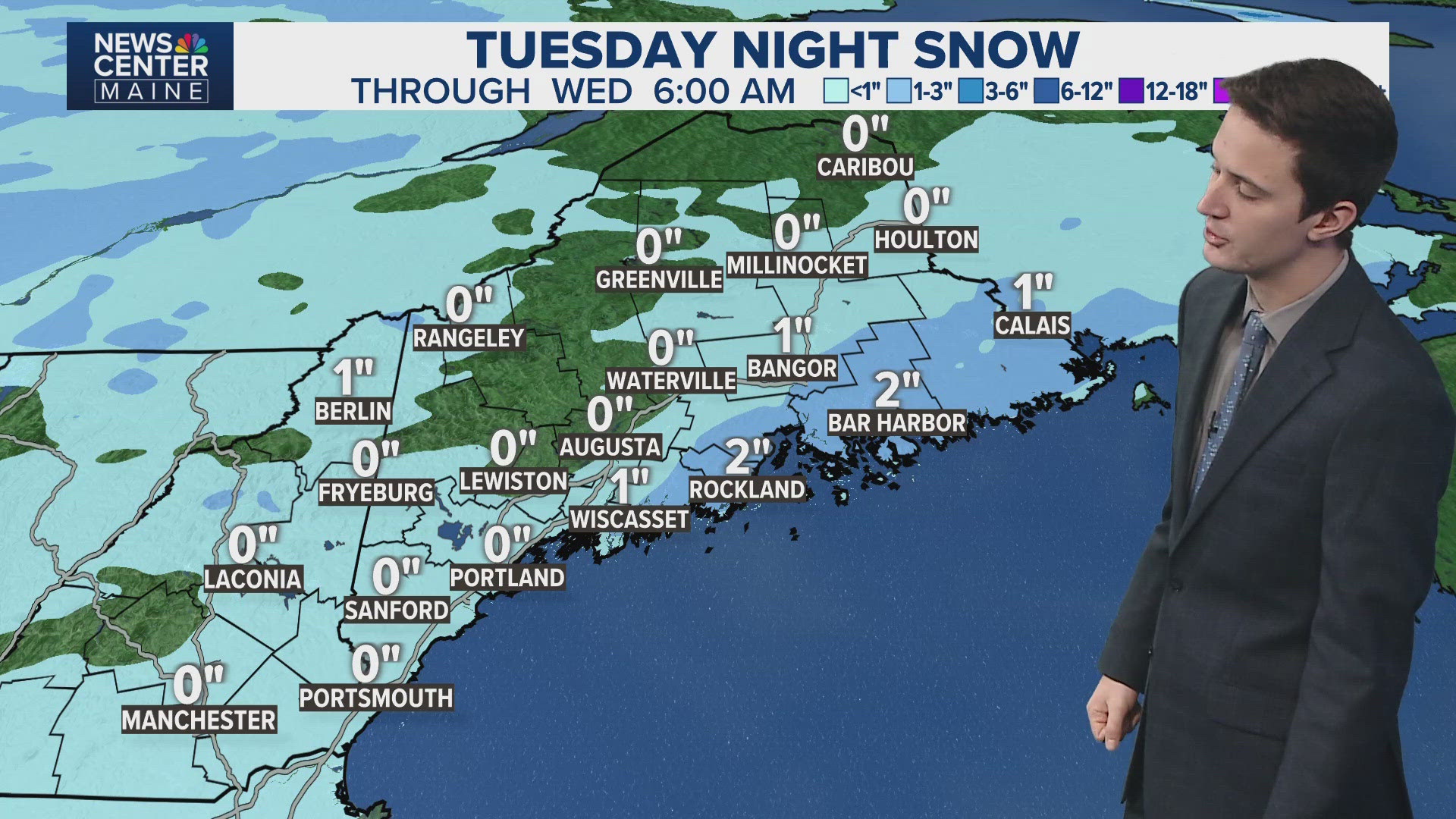
While “not a whole lot of rain” may fall in a single event, consistent scattered showers help rebuild the water table. Progress is being made, but total recovery depends on the frequency of these systems.
Why is there such a temperature difference between Portland and Rangeley?
Elevation and proximity to the ocean are the primary drivers. Rangeley’s higher altitude keeps it significantly cooler, while Portland benefits from the moderating influence of the Atlantic.
Want to stay ahead of the storm? Subscribe to our local weather alerts or leave a comment below and let us know how the weather is looking in your town!