Man with leptospirosis died after breeding rats in RV, city says
A man died in Berkeley in May after contracting leptospirosis while living in a severely rat-infested recreational vehicle, the city confirmed. A woman living with him also contracted the disease but recovered after a lengthy hospitalization. These represent the first human cases of the bacterial infection in Berkeley in more than a decade.
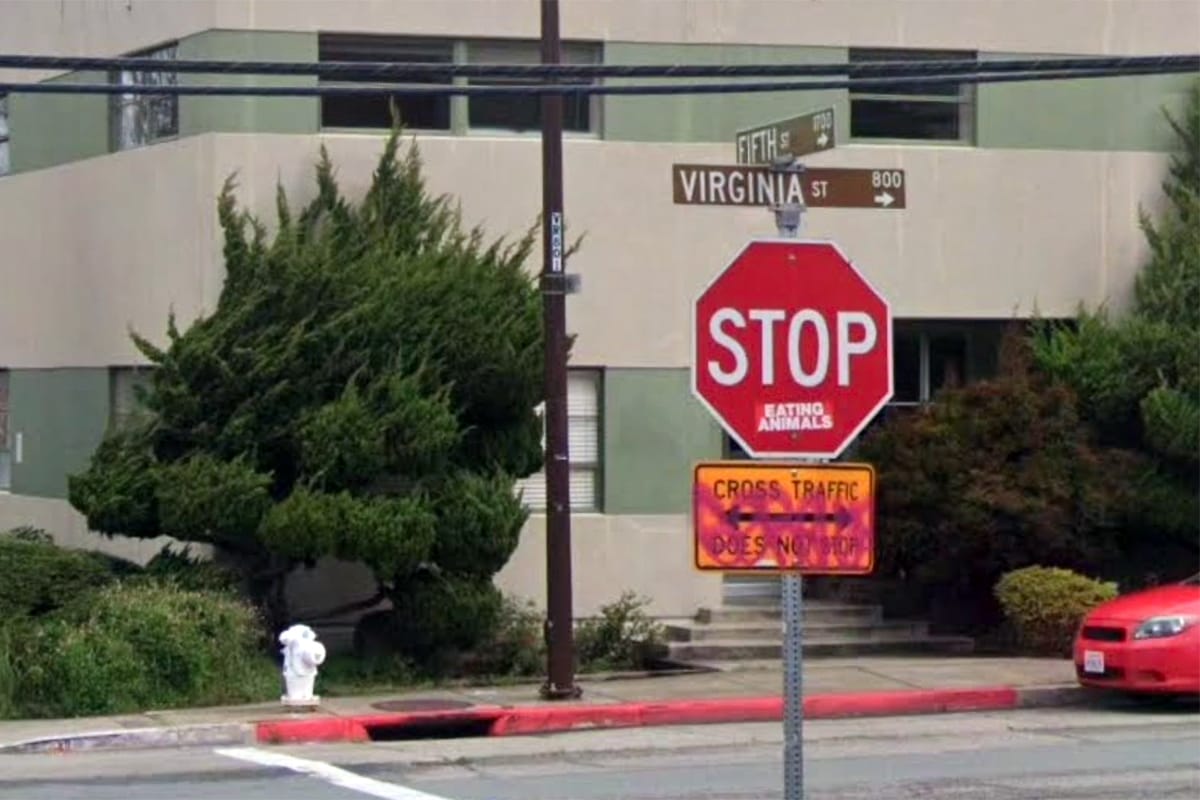
The couple, both in their 70s, lived in an RV at Fifth and Virginia streets, approximately one mile from the Harrison Street encampment. According to the city, the individuals had been trapping, feeding, and breeding wild rats inside the vehicle. The city described the situation as “extreme,” noting the RV was also infested with wild rats not kept in cages.
Berkeley police and the Berkeley Fire Department responded to a medical call at the RV on May 5 at 10:45 p.m. Upon arrival, the couple reported at least 100 rats lived inside the vehicle and stated they did not know how to address the situation. The city noted the couple delayed medical care for weeks or possibly months, which likely contributed to the severity of the disease.
How did the leptospirosis infection occur?
The city stated that leptospirosis most commonly spreads through rat urine in standing water. Individuals living in close proximity to rats face the highest risk of infection. In this specific case, the city attributed the illness to the severe infestation within the couple’s living quarters.

The bacterial disease can be fatal to both humans and dogs. While cases among humans are extremely rare, the city confirmed that two dogs have also tested positive for “lepto” since November.
What is the current public health risk in Berkeley?
The city maintains that the risk for the vast majority of Berkeley residents and business owners remains extremely low. However, it identified the situation as an “urgent public health concern” for those in infested environments.
Medical diagnosis can be difficult because the disease is rare locally and may not be recognized by doctors. In humans, the infection can cause flu-like symptoms, though the city noted many infected individuals exhibit no symptoms at all.
What steps is the city taking to prevent further cases?
The city has issued technical guidance for medical providers to help them recognize the disease. Outreach teams are now distributing flyers to unhoused and vehicle-resident individuals within a 1.5-mile radius of the Harrison Street corridor.
Officials have retired a previously established buffer zone—which spanned from San Pablo Avenue to the railroad tracks in northwest Berkeley—and are instead focusing on vector suppression and enhanced sanitation. The city stated that cleanup in affected areas could take at least 30 days because leptospirosis can survive in soil for that duration.
Future efforts may include continued targeted outreach to those living near rat populations. The city could also increase the frequency of vector control operations in high-risk zones to mitigate further human or animal infections.
Frequently Asked Questions
How is leptospirosis transmitted to humans?
According to the city, the most common transmission route is through rat urine found in standing water.
What are the symptoms of leptospirosis in humans?
The city reports that it can cause flu-like symptoms, though some people may have no symptoms.
Who is most at risk of contracting the disease?
Those who live in close proximity to rats are the most at risk, according to city officials.
Do you believe targeted outreach is the most effective way to handle urban health risks?