
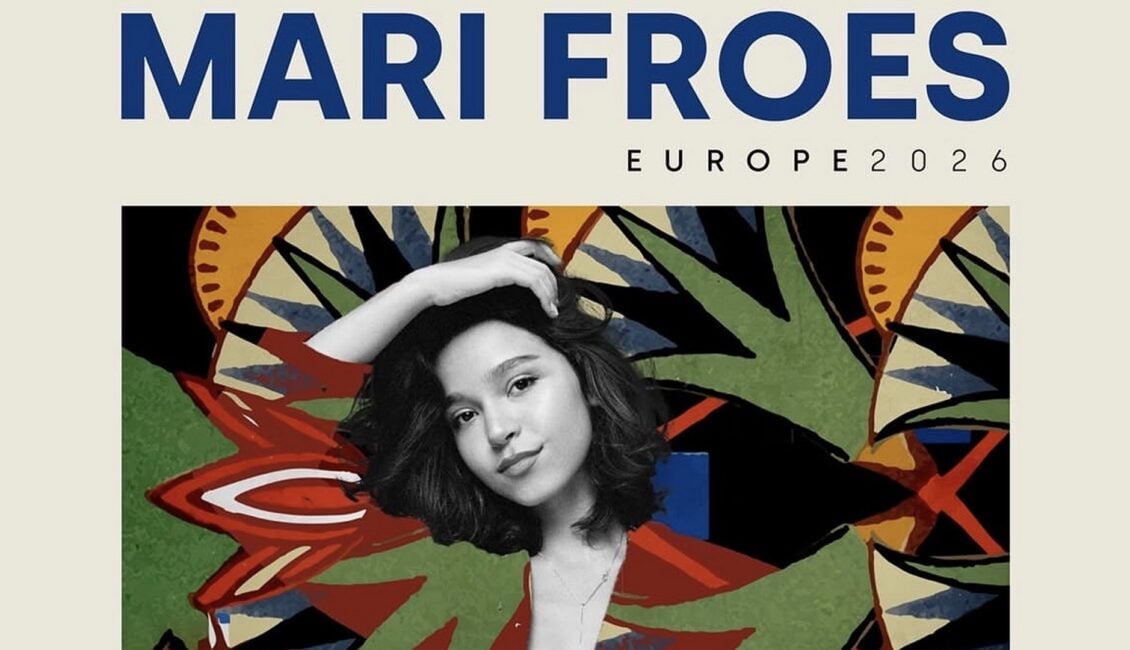
Mari Froes Live in Florence: June 24 at Anfiteatro delle Cascine
The Global Resonance of Neo-MPB: Why Brazilian Sounds are Dominating the Gen Z Playlist
The music industry is witnessing a fascinating shift. While K-Pop and Reggaeton have spent the last decade conquering global charts, a more nuanced, sophisticated wave is emerging from South America. The rise of artists like Mari Froes isn’t just a fluke of the algorithm; it’s a signal of a deeper trend: the globalization of Música Popular Brasileira (MPB).
Modern listeners are moving away from overly processed pop. There is a growing hunger for “organic” sounds—instruments you can actually hear, vocals that breathe and rhythms that evoke a sense of place. This is where the fusion of Bossa Nova, Samba, and Jazz becomes a powerful tool for emotional connection.
The ‘TikTok-to-Stage’ Pipeline: Redefining Artist Discovery
The trajectory of today’s breakout stars has changed. In the past, an artist needed a major label and a radio plugger. Today, a 15-second clip on TikTok or a minimalist performance on COLORS can trigger a global landslide of streams.
When a track like “Figa de Guiné” goes viral, it creates a “digital bridge.” A listener in Florence or Tokyo can discover a Brazilian artist in real-time, leading to millions of Spotify streams before the artist even books a flight. This democratization of discovery allows niche genres—like the blend of jazz and samba—to find their specific audience without needing to “water down” their cultural identity.
Data shows that “cross-pollination” is the new growth engine. Collaborations between Brazilian artists and European producers (such as the synergy between Mari Froes and French duo Trinix) create a sonic hybrid that appeals to multiple markets simultaneously, effectively doubling the potential reach.
Beyond the Beat: The Psychology of ‘Atmospheric’ Music
Why is there a sudden surge in interest for music that feels like a “journey between emotions and cultures”? In an era of digital burnout, listeners are seeking sonic escapism. The lush arrangements of MPB and Jazz provide a mental sanctuary.
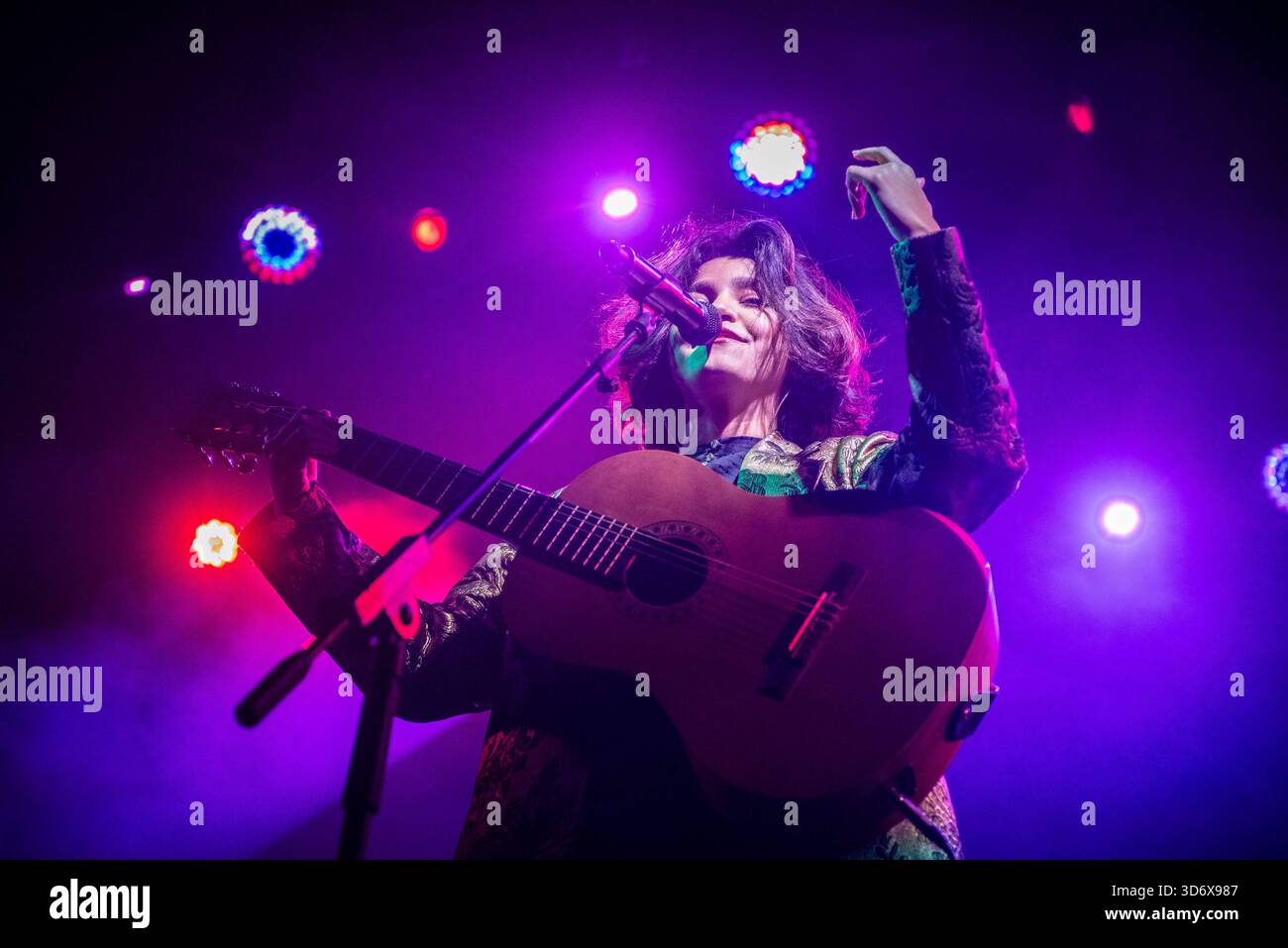
We are seeing a trend toward “Atmospheric Touring.” Concerts are no longer just about the hits; they are about creating an immersive environment. When an artist brings the “magnetism” of their home culture to a city like Florence, they aren’t just playing songs—they are exporting an emotion. This cultural exchange is becoming a primary driver for international ticket sales.
Industry experts suggest that the future of live music lies in these “boutique experiences”—smaller, more intense shows where the connection between the performer and the audience is raw and unfiltered.
Key Drivers of the New Global Sound
- Cultural Authenticity: A rejection of “generic” pop in favour of heritage-rich sounds.
- Algorithmic Serendipity: Spotify and TikTok introducing users to non-English lyrics through mood-based playlists.
- Hybridity: The merging of traditional instruments (like the cavaquinho) with electronic textures.
For more insights on how global rhythms are shaping the industry, check out our guide on the influence of world music on modern pop.
Frequently Asked Questions
What is MPB?
MPB stands for Música Popular Brasileira. It is a sophisticated blend of traditional Brazilian rhythms, jazz, and pop that emerged in the 1960s as a way to express Brazilian identity.
How does TikTok influence the music industry today?
TikTok acts as a discovery engine. By stripping music down to “hooks,” it allows songs to go viral based on emotional resonance rather than marketing budgets, often forcing labels to sign artists who already have a proven digital fanbase.
Why is Bossa Nova becoming popular again?
Its calming, melodic nature aligns with current wellness and “slow living” trends, making it a favorite for listeners looking to reduce stress and find focus.
Join the Conversation
Are you discovering more music through social media or traditional recommendations? Do you think the “viral” era is helping or hurting musical depth?
Share your thoughts in the comments below or subscribe to our newsletter for more deep dives into the future of sound!